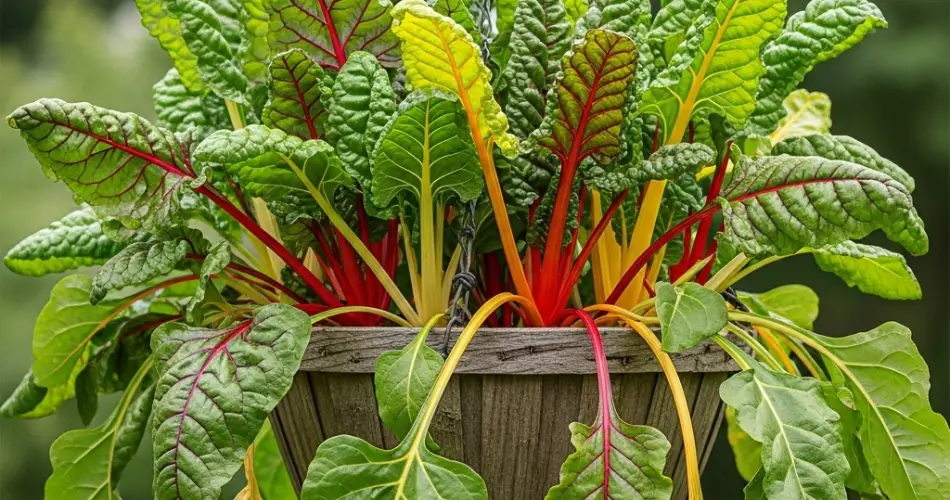
Swiss chard is a vibrant, nutritious leafy green that adds both color and flavor to your meals. Its thick, multicolored stems paired with tender green leaves make it a popular choice for gardeners and chefs alike. While typically grown in garden beds, Swiss chard adapts exceptionally well to small-space gardening, including container and basket setups. With the right approach, even a balcony, patio, or small yard can produce a steady harvest of this versatile superfood.
Basket gardening allows you to grow Swiss chard efficiently while maximizing vertical or compact spaces. Hanging or tabletop baskets are not only practical but also attractive, letting you enjoy homegrown greens without the need for extensive garden plots.
Why Swiss Chard Thrives in Baskets
Swiss chard is well-suited for compact basket gardening due to its shallow root system and tolerance for close spacing. Benefits of using baskets include:
-
Space-saving: Ideal for urban homes or small outdoor areas.
-
Decorative appeal: Cascading leaves and colorful stems make baskets visually striking.
-
Pest reduction: Elevating the plants reduces exposure to slugs, snails, and other ground-dwelling insects.
-
Improved drainage: Hanging baskets or raised containers help prevent waterlogging, keeping roots healthy.
These advantages make baskets a practical and attractive way to grow Swiss chard, especially where traditional garden beds are not an option.
Choosing the Right Basket
Selecting an appropriate basket is key for success.
-
Size: Choose a basket at least 12 inches deep and 12–14 inches wide to allow room for several plants.
-
Material: Wire baskets with coconut coir liners, moss, or burlap are ideal. Plastic baskets with sufficient drainage holes are also suitable.
-
Support: Ensure the hook or stand is strong enough to hold soil and water weight.
-
Drainage: Adequate drainage prevents soggy soil and supports healthy root development.
A sturdy, well-drained basket creates the perfect environment for Swiss chard to flourish.
Preparing Soil and Planting
Swiss chard grows best in fertile, well-draining soil.
-
Soil mix: Use lightweight potting soil enriched with compost for nutrients. Adding perlite or vermiculite improves aeration.
-
Direct sowing: Sow seeds about ½ inch deep, spacing them 2–3 inches apart.
-
Transplanting seedlings: Handle carefully to avoid disturbing roots, and plant at the same depth as in the seedling tray.
For a continuous supply of fresh greens, consider staggering plantings every 2–3 weeks.
Light and Temperature Requirements
Swiss chard prefers cool to moderate temperatures, thriving between 50–75°F (10–24°C).
-
Light: Provide at least 4–6 hours of sunlight daily. Morning sun with afternoon shade works best in warmer climates.
-
Hot conditions: During hot weather, move baskets to a shaded area to prevent bolting, which leads to bitter leaves.
Indoors, position baskets near a sunny window or use grow lights for consistent growth.
Watering and Maintenance
Because baskets dry out faster than ground soil, careful watering is essential.
-
Check soil regularly: Water when the top inch of soil feels dry.
-
Deep watering: Ensure the entire root zone receives moisture to encourage healthy growth.
-
Mulching: A thin layer of straw, shredded leaves, or coco husk helps retain moisture and regulate temperature.
Consistent moisture promotes tender, flavorful leaves and reduces plant stress.
Fertilizing Swiss Chard
Regular feeding is important in basket gardening, as nutrients leach out quickly.
-
Balanced liquid fertilizer: Apply every 2–3 weeks to support growth.
-
Organic options: Compost tea or diluted fish emulsion provides natural nourishment.
Proper fertilization encourages vibrant stems, lush leaves, and a longer harvest period.
Harvesting Swiss Chard
Swiss chard is ready for harvest in 4–6 weeks after planting.
-
Cut-and-come-again: Harvest outer leaves when 6–8 inches long, leaving the central leaves to continue growing.
-
Full harvest: When mature, cut the entire plant at the base to enjoy fully developed leaves.
Regular harvesting stimulates new growth and maintains productivity throughout the season.
Common Challenges
-
Bolting: High temperatures may cause flowering and bitterness; provide shade or cooler placement to prevent this.
-
Yellowing leaves: Usually caused by overwatering or nutrient deficiency; adjust care accordingly.
-
Pests: Aphids and other small insects may appear but can be managed with natural sprays like diluted soapy water or neem oil.
With attention to these factors, Swiss chard grows reliably in baskets with minimal problems.
Final Thoughts
Compact basket gardening allows you to grow Swiss chard efficiently, even in limited spaces. By selecting the right basket, preparing nutrient-rich soil, and providing consistent care, you can enjoy fresh, colorful, and nutrient-packed leaves right at home.
This method is ideal for small-space gardeners who want to maximize vertical or horizontal space while bringing beauty, flavor, and nutrition to their living area. With proper planting, watering, and harvesting, Swiss chard in baskets can provide a continuous supply of fresh greens, transforming even the smallest balcony, patio, or corner of your home into a productive mini-garden.


