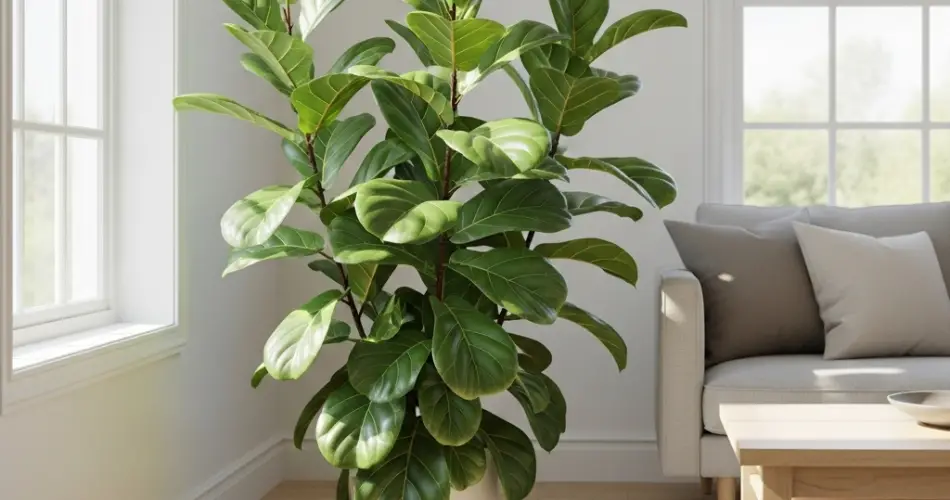
The fiddle leaf fig (Ficus lyrata) is one of the most popular indoor plants for a reason. Its bold, sculptural leaves and tree-like shape make it a striking feature in homes and offices. However, this plant can be a little particular about its care—especially when it comes to lighting. If your fiddle leaf fig isn’t growing well or is dropping leaves, chances are it’s not getting the right amount or type of light.
This guide breaks down everything you need to know about lighting for fiddle leaf figs in simple terms, so you can keep yours thriving all year long.
Why Light Matters for Fiddle Leaf Figs
Light is essential to plant health because it fuels photosynthesis, the process by which plants make their food. For fiddle leaf figs, light is particularly important. These plants naturally grow under bright, dappled sunlight in the warm rainforests of West Africa. Indoors, they need similar conditions—bright, indirect light—to stay lush and healthy.
When a fiddle leaf fig doesn’t get enough light, it may grow slowly, lean toward the nearest light source, or begin to drop leaves. If the light is too strong or direct, especially through hot afternoon sun, the leaves can scorch and turn brown.
Ideal Light Conditions: Bright, Indirect Light
Fiddle leaf figs thrive best in bright, indirect light. This means they like a room that receives a lot of natural light during the day, but they shouldn’t be placed directly in the path of intense sunbeams for long periods.
Here’s how to find the best spot in your home:
-
East-facing windows are ideal. They get gentle morning sunlight, which the plant can usually tolerate.
-
South-facing windows are great too, as they get strong light for most of the day. Just make sure the plant is a few feet away from the window or filtered through a sheer curtain.
-
West-facing windows can work, but the afternoon light may be harsh. Provide some shade or distance to protect the plant.
-
North-facing windows often don’t provide enough light unless you’re in a very bright climate or use artificial lighting.
Remember to rotate the plant every 7–10 days so all sides get even light. This helps prevent leaning and encourages balanced growth.
Can Fiddle Leaf Figs Tolerate Direct Sun?
Yes, but only in moderation. A fiddle leaf fig can usually handle a few hours of direct morning sun without issues. However, intense afternoon sunlight—especially in warmer climates—can cause the leaves to burn or develop brown spots.
If you want to place your plant where it gets some direct sun, start slowly. Gradually expose it to stronger light over the course of a week or two. This gives it time to adjust and helps prevent leaf damage.
Signs Your Fiddle Leaf Fig Needs More Light
Not sure if your plant is getting enough light? Here are some common indicators that it may be light-deprived:
-
Slow or no new growth
-
Lower leaves turning yellow and falling off
-
Long stems with few leaves (“leggy” growth)
-
Leaning toward the window
If you notice any of these symptoms, try moving the plant closer to a light source or supplementing with artificial grow lights.
Using Grow Lights for Fiddle Leaf Figs
If your home doesn’t get enough natural light—especially during the winter—consider using a full-spectrum grow light. These lights mimic natural sunlight and help your fiddle leaf fig stay healthy when light is limited.
To use a grow light effectively:
-
Choose a full-spectrum LED light for best results.
-
Keep the light about 12–18 inches above the plant.
-
Leave it on for 10–12 hours a day to mimic daylight conditions.
-
Use a timer to keep a consistent schedule.
Grow lights are especially useful in rooms with small windows or during shorter winter days.
Seasonal Adjustments
Your fiddle leaf fig’s light needs stay the same year-round, but available sunlight changes with the seasons. In summer, your plant may receive more intense light, so it might need to be moved slightly farther from the window. In winter, natural light may become weaker or shorter in duration, so moving the plant closer or adding a grow light can help.
Avoid making sudden changes to its environment, as fiddle leaf figs are sensitive and may drop leaves in response to rapid shifts.
Final Tips for Lighting Success
-
Keep the leaves clean by wiping them with a damp cloth every few weeks. Dust can block light from reaching the leaf surface.
-
Don’t move the plant too often. It prefers consistency and may react poorly to sudden changes in lighting.
-
Observe your plant. It will let you know how it’s doing. New leaves, upright posture, and vibrant color are all signs that it’s happy with its light conditions.
Conclusion
Getting the lighting right for your fiddle leaf fig doesn’t have to be complicated. With bright, indirect light, an occasional boost from grow lights, and seasonal awareness, you can enjoy a healthy, vibrant plant that grows tall and strong. Just find the right spot, monitor its response, and make adjustments gradually. Your fiddle leaf fig will thank you with glossy, green foliage and steady growth.


