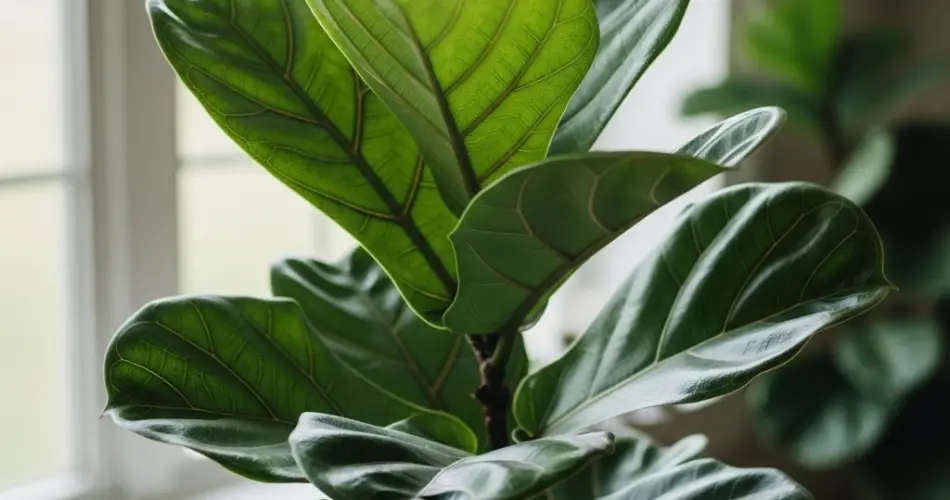
Fiddle leaf figs (Ficus lyrata) are adored for their lush, oversized leaves and dramatic upright growth, making them one of the most sought-after houseplants. Their aesthetic appeal often leads to impulse purchases, but many plant parents are disappointed when their fiddle leaf figs start to struggle. While these plants aren’t impossible to care for, they do require a bit of understanding.
So what’s the number one mistake people make with fiddle leaf figs?
It’s moving them too often.
Yes, relocation might seem harmless, but fiddle leaf figs are incredibly sensitive to changes in their environment. Here’s why this mistake is so common—and how to fix it.
Why Fiddle Leaf Figs Hate Being Moved
Fiddle leaf figs are tropical plants that naturally grow in stable environments. In the wild, they experience little variation in light, humidity, and temperature. When kept as houseplants, they still crave that consistency.
Every time you move a fiddle leaf fig—whether to a different room, another window, or outside for the summer—it has to adjust to changes in:
-
Light intensity and duration
-
Temperature and drafts
-
Humidity levels
-
Orientation toward light sources
This change can cause stress, which often manifests as leaf drop, wilting, yellowing, or slowed growth. It doesn’t matter if the new spot seems “better” to you—your plant still experiences it as a shock.
How to Avoid This Mistake
The best approach is to find a good spot—and stick to it. When you bring a new fiddle leaf fig home, take time to assess where it will thrive long-term before settling it in.
Here’s what an ideal spot should have:
-
Bright, indirect light: Near a large window with filtered light. A south- or east-facing window is typically best.
-
Stable temperature: Between 60°F and 75°F (15°C–24°C) with minimal fluctuation.
-
No drafts: Avoid areas near AC vents, radiators, or frequently opened doors.
-
Low traffic: Keep it out of the way of pets and children to avoid accidental bumps or shakes.
Once you’ve chosen a location that meets these needs, let the plant settle in. Even after just one move, it might drop a few leaves as it acclimates—but this is normal if it’s adjusting to a permanent location.
When Moving Is Unavoidable
Sometimes, moving your fiddle leaf fig is necessary. Maybe you’re repotting, cleaning the area, or shifting it temporarily to avoid cold drafts. In these cases, you can minimize stress by:
-
Returning it to the same orientation: When you move it back, place the same side facing the light as before.
-
Avoiding drastic environmental changes: Try to replicate the light and humidity of its usual spot as much as possible.
-
Making gradual changes: If you’re moving it outdoors for the summer, acclimate it slowly. Start with a few hours in shaded outdoor light and increase exposure gradually over several days.
Other Common Mistakes to Watch For
While frequent moving is the top mistake, it’s not the only one. Many fiddle leaf fig issues come from a few other habits:
-
Overwatering: These plants are prone to root rot if kept in wet soil. Always allow the top inch or two of soil to dry out before watering again.
-
Low light: Without enough bright, indirect light, fiddle leaf figs will grow slowly, develop small leaves, or drop leaves altogether.
-
Lack of drainage: Use a pot with drainage holes and well-draining soil to prevent water from pooling at the roots.
-
Inconsistent care: Skipping waterings, changing light exposure, or shifting temperatures can confuse your plant and cause stress.
Consistency is the key to fiddle leaf fig health—both in its environment and care routine.
How to Help a Stressed Plant Recover
If your fiddle leaf fig is showing signs of distress after a move, don’t panic. Here’s what to do:
-
Give it time: A few dropped leaves don’t mean it’s dying. Let it adjust for a few weeks.
-
Stick to a care routine: Maintain regular watering, light exposure, and cleaning of the leaves.
-
Avoid additional changes: Don’t prune, repot, or fertilize while it’s stressed. Wait until it’s showing new growth again.
-
Watch for pests: Weakened plants are more vulnerable to spider mites and other pests. Inspect regularly and treat early if needed.
Final Thoughts
The allure of the fiddle leaf fig lies in its bold beauty and presence—but that doesn’t mean it’s a plant that thrives on change. The most important thing you can do for your fiddle leaf fig is to offer it a stable environment. Avoid the temptation to move it around, even if you’re rearranging furniture or think another corner might offer slightly better light.
By respecting its need for consistency and learning to “listen” to the signals your plant gives, you’ll enjoy a vibrant, happy fiddle leaf fig that becomes a long-lasting focal point in your space.


