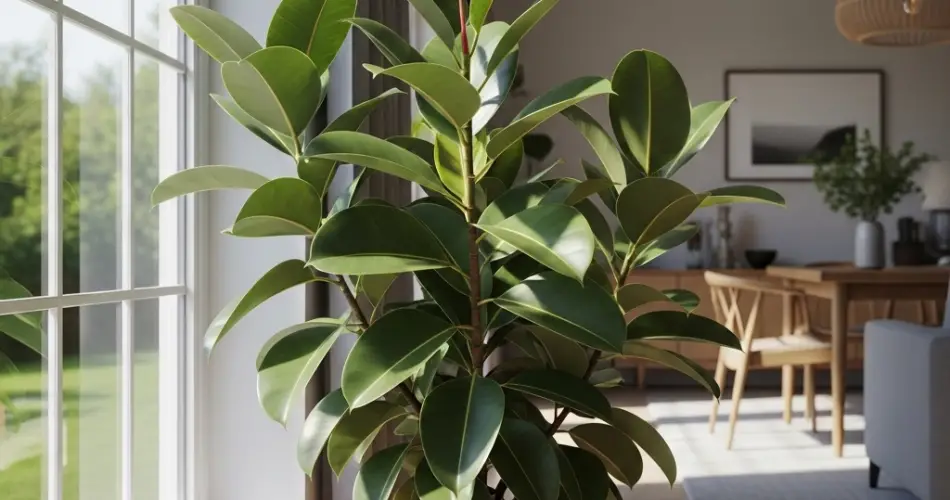
The rubber plant (Ficus elastica) is a favorite among houseplant enthusiasts for its large, glossy leaves and low-maintenance nature. Native to Southeast Asia, this plant can adapt to indoor environments with ease—but only if its basic needs are met. Two of the most important factors that determine a rubber plant’s health are light and water. Getting these right will ensure steady growth and vibrant foliage.
Here’s a detailed guide to understanding and managing the light and watering needs of a rubber plant.
Light Requirements for a Healthy Rubber Plant
Rubber plants prefer bright, indirect light. In their native habitat, they grow under the canopy of taller trees, receiving filtered sunlight. Indoors, this translates to a spot near a window with plenty of ambient light, but without direct sun rays hitting the leaves for long periods.
Best Light Placement
-
Place your rubber plant near an east- or west-facing window, where it can receive gentle morning or afternoon light.
-
A south-facing window can also work well, but ensure the plant is not in the direct path of harsh afternoon sunlight. Use sheer curtains to diffuse the light if needed.
-
Avoid north-facing windows unless they receive strong indirect light, as low light can slow growth and cause leaf drop.
Signs of Too Much Light:
-
Leaves may become scorched or sunburned, especially if exposed to intense direct sunlight.
-
You may notice fading or browning edges on the upper leaves.
Signs of Too Little Light:
-
New growth will be small and sparse, or may stop entirely.
-
Lower leaves might yellow and drop as the plant struggles to maintain itself.
Rubber plants can tolerate medium light, but their growth will slow noticeably. For best results, keep them in a well-lit spot without exposing them to full sun.
Watering Needs for Rubber Plants
Watering is another key factor that can make or break your rubber plant care routine. While these plants are somewhat drought-tolerant, they still need consistent moisture—just not too much.
The Ideal Watering Approach:
-
Use the soak and dry method: Water thoroughly until water runs out of the bottom of the pot, then allow the top 1–2 inches of soil to dry before watering again.
-
Typically, this means watering once every 1–2 weeks, depending on humidity, temperature, and season.
-
Always adjust your watering schedule based on soil moisture, not the calendar.
Seasonal Watering Adjustments:
-
Spring and summer are active growing seasons, so your plant will need more frequent watering.
-
In fall and winter, growth slows, so reduce watering to every two to three weeks or as needed.
Signs of Overwatering:
-
Leaves turning yellow or brown and dropping.
-
Mushy or dark roots, indicating root rot.
-
Soil that stays wet for too long is a major red flag.
Signs of Underwatering:
-
Leaves may curl inward or become droopy.
-
The plant might start shedding lower leaves.
-
Soil pulling away from the edges of the pot is a sign it’s too dry.
To avoid these issues, always check the soil before watering. Stick your finger into the top layer of the soil or use a moisture meter for more accuracy.
Choosing the Right Soil and Pot
Good drainage is essential for balancing the rubber plant’s water needs. Use a well-draining potting mix, ideally one made for houseplants or with added perlite or pumice to improve aeration. A mix that holds some moisture but doesn’t stay soggy is ideal.
Ensure your pot has drainage holes at the bottom. Standing water in the pot is a guaranteed path to root rot.
Extra Care Tips Related to Light and Water
-
Rotate the plant every few weeks to ensure even growth and prevent leaning toward the light.
-
Wipe the leaves with a damp cloth occasionally to remove dust. Clean leaves photosynthesize more efficiently and absorb light better.
-
Avoid placing the plant near cold drafts or heaters, as sudden temperature shifts can affect both moisture levels and leaf health.
-
If the air in your home is particularly dry, especially in winter, consider using a humidifier or placing a water tray nearby.
Final Thoughts
Rubber plants are relatively forgiving, but they do have specific needs when it comes to light and water. Giving them bright, indirect sunlight and following a soak-and-dry watering method will help them thrive. With a little observation and a consistent care routine, your rubber plant will reward you with glossy, deep green leaves and steady growth for years to come.
By understanding these basic needs and responding to your plant’s signals, you’ll be well on your way to growing a healthy, stunning rubber plant that becomes a centerpiece in any indoor space.


