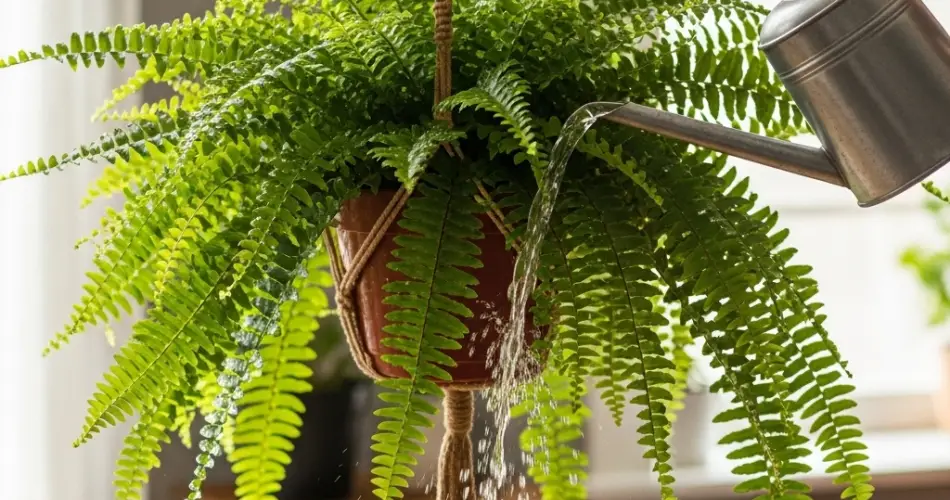
Ferns are among the most graceful and refreshing houseplants, with their delicate fronds bringing a touch of the forest indoors. However, their beauty comes with specific care requirements—especially when it comes to watering. Ferns are moisture-loving plants, but their watering needs shift with the seasons. Overwatering in winter or letting them dry out in summer can lead to stressed, unhealthy plants. To keep your ferns lush and thriving year-round, it’s important to adapt your watering routine as the seasons change. Here’s how to manage fern hydration effectively through spring, summer, fall, and winter.
Spring: Wake-Up Call for Growth
As temperatures begin to rise and daylight hours increase, ferns shake off their winter dormancy and enter an active growth phase. This is the time when they begin using more water to support new frond development.
Watering Tips for Spring:
-
Frequency: Start increasing watering gradually. Most ferns will need water once or twice a week depending on indoor conditions.
-
Moisture level: Keep the soil consistently moist but not soggy. Stick your finger into the soil—if the top inch feels dry, it’s time to water.
-
Drainage: Ensure your pot has proper drainage to avoid root rot as you increase watering.
This is also a good season to repot your fern if it’s outgrown its container or to refresh the top layer of soil to support the plant’s renewed growth.
Summer: High Demand for Hydration
Summer brings higher temperatures and often lower humidity indoors due to air conditioning. Ferns, which naturally grow in humid, shady environments, will require more frequent watering and extra humidity during this season.
Watering Tips for Summer:
-
Frequency: Water every few days or even daily for small pots or thirsty species like Boston ferns. Always check the soil first.
-
Humidity: Boost air moisture with a pebble tray, humidifier, or regular misting. Grouping plants together also helps create a microclimate.
-
Leaf care: Mist the fronds in the early morning to mimic their natural habitat and prevent leaf tips from drying out.
Monitor your fern closely for signs of dehydration such as browning edges or drooping fronds. Quick response to these signs will help maintain its vibrant appearance.
Fall: Slow Transition
As light levels decrease and temperatures begin to cool, ferns enter a slower growth phase. This seasonal shift calls for a gradual adjustment in watering habits.
Watering Tips for Fall:
-
Frequency: Begin to reduce watering frequency slightly—once every 5 to 7 days may be sufficient, depending on your home’s conditions.
-
Watch light exposure: Less sunlight means slower evaporation. Make sure you’re not watering as often as in summer if the soil isn’t drying as quickly.
-
Humidity maintenance: Indoor heating systems can dry the air, so continue using a humidifier or pebble tray to avoid crispy fronds.
Ferns are sensitive to rapid changes, so easing them into their winter routine will help prevent stress and leaf drop.
Winter: Rest and Recovery
In winter, most ferns go into a period of dormancy or minimal growth. While they still need moisture, overwatering during this time is a common mistake. With cooler temperatures and lower light levels, soil tends to stay wet longer.
Watering Tips for Winter:
-
Frequency: Water less frequently—about every 10 to 14 days, depending on how fast your soil dries.
-
Check soil before watering: Don’t water on a fixed schedule. Only water when the top inch of soil is dry.
-
Avoid cold drafts: Keep ferns away from chilly windows or doors, which can cause sudden stress and affect their ability to absorb water.
-
Humidity still matters: Indoor heating can lower humidity dramatically. Continue with humidifiers or place ferns in naturally humid rooms like bathrooms, if there’s sufficient light.
Leaf shedding is normal during winter dormancy. Don’t panic if your fern looks less full—it’s just resting.
General Tips for Year-Round Fern Watering
-
Use lukewarm water: Cold water can shock roots. Let tap water sit out for a few hours before using it.
-
Choose the right soil: Ferns thrive in light, moisture-retaining but well-draining soil. Avoid compacted or clay-heavy mixes.
-
Pick the right container: Ensure your pot has drainage holes, and avoid pots that are too large—they can hold excess water, leading to rot.
-
Observe your fern: No matter the season, your fern will tell you what it needs. Crispy tips mean dryness, yellowing fronds often point to overwatering.
Conclusion
Keeping ferns healthy and hydrated year-round means adjusting your watering routine with the seasons. Spring and summer call for more attention and moisture, while fall and winter require restraint and care. By tuning into your plant’s signals and understanding how environmental conditions shift throughout the year, you can maintain a thriving, lush fern no matter the weather outside.


