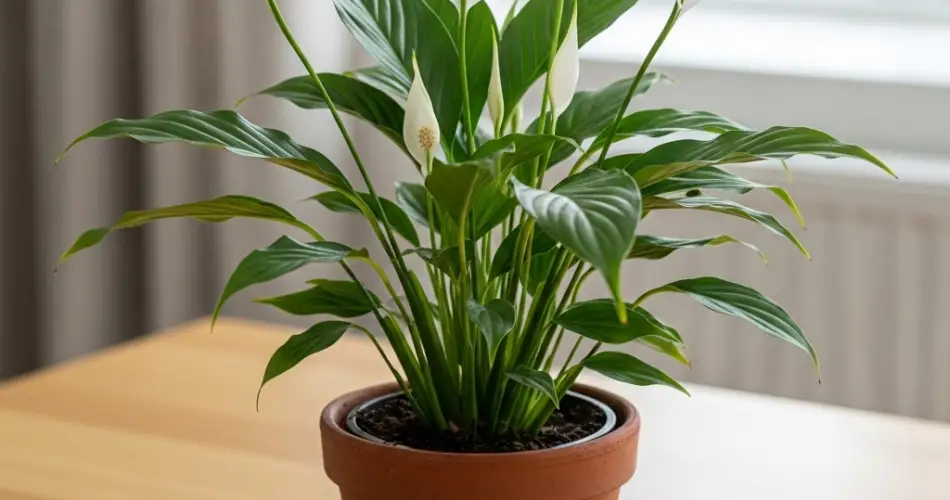
The peace lily (Spathiphyllum) is one of the most popular indoor plants, known for its graceful white blooms and glossy green leaves. Easy to care for and visually striking, it’s often recommended for beginners. But despite its low-maintenance reputation, achieving consistent growth and blooming requires more than occasional watering. To truly succeed with a peace lily in an indoor pot, you’ll need to understand its needs regarding light, water, humidity, and care practices.
Here’s a detailed guide to keeping your peace lily thriving and encouraging regular flowering indoors.
Understanding the Peace Lily’s Nature
Native to tropical rainforests of Central and South America, peace lilies are accustomed to warm, shaded, and humid environments. They aren’t true lilies, but they do produce beautiful white “flowers” that are actually spathes—modified leaves that surround a spadix, the actual flower spike.
When grown indoors in the right conditions, peace lilies can bloom multiple times a year. However, if their needs aren’t met, flowering may be limited or stop altogether.
Ideal Light Conditions for Growth and Blooms
Peace lilies are well-known for tolerating low light, but this doesn’t mean they prefer it. While they can survive in dim rooms, flowering is more likely when the plant receives bright, indirect light.
Best Placement:
-
Near a north- or east-facing window is ideal.
-
Avoid harsh direct sunlight, which can scorch the leaves.
-
In darker rooms, supplement with fluorescent or LED grow lights to stimulate blooming.
If your peace lily has healthy green leaves but never flowers, inadequate light is usually the reason.
Smart Watering Practices
Watering mistakes are one of the top reasons peace lilies suffer indoors. These plants like consistently moist soil, but they are sensitive to both overwatering and underwatering.
Watering Tips:
-
Water when the top inch of soil feels dry.
-
Avoid letting the soil dry out completely—peace lilies will droop dramatically when thirsty, but they usually bounce back after a good soak.
-
Don’t let the plant sit in standing water. Use a pot with drainage holes and empty saucers after watering.
-
Yellow leaves may indicate overwatering, while dry brown tips often mean inconsistent moisture or low humidity.
Maintain Humidity and Ideal Temperatures
Peace lilies love humidity. Dry indoor air, especially during winter, can cause leaf tips to brown and may reduce blooming potential.
Ways to Increase Humidity:
-
Place a humidifier nearby.
-
Set the plant pot on a tray of pebbles with water below the base (not touching the pot).
-
Group houseplants together to raise local humidity levels.
Temperature Range:
-
Peace lilies thrive between 65°F and 80°F (18°C to 27°C).
-
Keep away from drafts, heaters, and air conditioning vents, which can dry the air or cause temperature stress.
Fertilizing for Better Blooms
While peace lilies don’t need heavy feeding, a lack of nutrients can result in fewer or no blooms.
Fertilizer Guidelines:
-
Use a balanced, water-soluble houseplant fertilizer diluted to half-strength.
-
Apply once a month during spring and summer.
-
Reduce or skip feeding during fall and winter, when growth slows down.
Avoid over-fertilizing—this can lead to salt buildup in the soil, which causes browning leaf tips and root stress.
Repotting and Soil Tips
Peace lilies prefer to be slightly root-bound, but when they outgrow their container, it can affect their ability to absorb water and nutrients.
When to Repot:
-
Every 1 to 2 years, or when roots start circling the bottom of the pot.
-
Choose a pot 1–2 inches larger in diameter than the current one.
Soil Type:
-
Use a well-draining, nutrient-rich potting mix. A mix of peat moss, perlite, and pine bark works well.
-
Avoid heavy soils that retain too much moisture and suffocate the roots.
Encourage Blooming with Proper Care
If your peace lily isn’t flowering, reassess its environment:
-
Increase light exposure without exposing it to direct sun.
-
Feed lightly during the growing season.
-
Ensure consistent moisture and humidity.
Removing old or faded flowers also helps redirect the plant’s energy toward new growth and potential blooms.
Final Thoughts
Peace lilies are forgiving plants that add beauty and air-purifying qualities to indoor spaces. With the right balance of light, water, and humidity, they not only survive but thrive—and reward you with elegant white blooms throughout the year.
Whether you’re a first-time plant owner or an experienced gardener, paying close attention to the needs of your peace lily will ensure its long-term health and beauty in any indoor setting.


