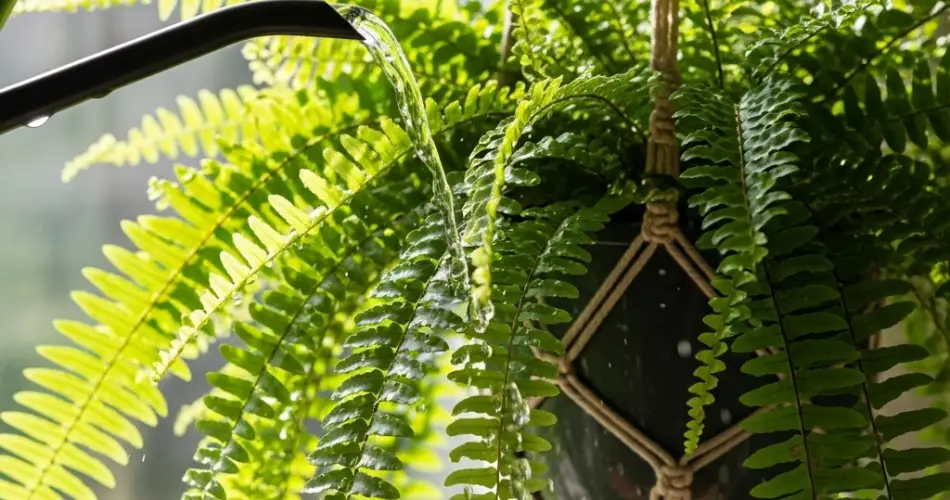
Ferns are beloved for their lush, feathery foliage and natural elegance, making them a favorite choice for indoor and outdoor gardens alike. However, one of the most common complaints from fern owners is the appearance of dry, brown tips on the leaves. These dry tips often signal a hydration problem—either from underwatering, low humidity, or inconsistent care.
Proper hydration is essential to keeping ferns vibrant and healthy. These ancient plants evolved in damp, shaded forest environments, and replicating those conditions as closely as possible is key to preventing dry, crispy foliage. Below is a comprehensive guide to keeping your ferns properly hydrated and avoiding those unsightly dry tips.
1. Understand Your Fern’s Natural Habitat
Ferns naturally thrive in humid, forested areas with soft, dappled light and consistently moist—but not soggy—soil. Mimicking these conditions in your home or garden will give your fern the best chance at staying healthy.
Indoor air is often too dry for many fern varieties, especially during the winter when heaters are running. Most ferns prefer humidity levels between 50% and 70%. If your home is drier than this, you’ll need to take extra steps to provide adequate moisture to both the roots and the surrounding air.
2. Water Consistently and Thoroughly
Inconsistent watering is one of the primary causes of dry leaf tips. Ferns dislike being allowed to dry out completely, even briefly. On the other hand, constantly soggy soil can lead to root rot. The goal is to keep the soil consistently moist but not saturated.
How to Water Properly:
-
Water when the top ½ to 1 inch of soil feels slightly dry to the touch.
-
Use lukewarm water and water the plant thoroughly until it begins to drain out the bottom of the pot.
-
Always empty excess water from saucers or cachepots to prevent roots from sitting in water.
For outdoor ferns, ensure the soil remains evenly moist during hot or dry spells, especially if they are planted in containers, which dry out more quickly than garden beds.
3. Increase Humidity Around the Plant
Even if you water your fern correctly, dry air can still lead to dry leaf tips. Increasing humidity is particularly important for popular indoor fern varieties such as Boston fern, maidenhair fern, or bird’s nest fern.
Ways to Increase Humidity:
-
Use a humidifier near your fern, especially in dry seasons.
-
Place a tray filled with pebbles and water beneath the plant pot. As the water evaporates, it increases the humidity around the plant.
-
Mist the leaves lightly with water once or twice a day (though this is more of a temporary measure and not a replacement for proper humidity levels).
-
Group plants together. Plants release moisture into the air through a process called transpiration, and grouping them can create a more humid microclimate.
4. Choose the Right Soil and Pot
The pot and soil you use play a major role in keeping ferns properly hydrated. Ferns prefer rich, well-draining soil that retains moisture without becoming compacted or waterlogged.
Ideal Soil Mix:
A blend of peat moss, perlite, and compost or organic matter works well. This combination holds moisture while still allowing for proper air circulation around the roots.
Pot Selection:
Use a pot with good drainage holes. Avoid decorative pots without drainage, as trapped water at the bottom can cause root rot even when the topsoil seems dry.
5. Protect Ferns from Temperature Stress
Temperature fluctuations can dry out fern fronds quickly. Avoid placing your fern near drafts, heaters, air conditioning vents, or in direct sunlight. These conditions can increase water loss through evaporation and transpiration, causing the tips of the leaves to turn brown.
Ideal Temperature Range:
Most ferns prefer temperatures between 60°F and 75°F (15°C to 24°C). Avoid sudden changes in temperature, especially from cold drafts or heat sources.
6. Avoid Chemical Sensitivity from Tap Water
Some ferns are sensitive to chlorine, fluoride, or salts found in tap water. These chemicals can build up in the soil and contribute to dry or burned leaf tips.
Best Practices:
-
Use filtered, distilled, or rainwater if your tap water is heavily treated.
-
Let tap water sit out overnight before using it. This allows chlorine to evaporate and can help reduce chemical exposure.
-
Periodically flush the soil with plain water to remove salt or fertilizer buildup.
Final Thoughts
Preventing dry tips on your ferns isn’t just about watering more often—it’s about creating a balanced environment that closely resembles their natural habitat. Consistent moisture, increased humidity, the right potting mix, and protection from extreme temperatures all work together to ensure your fern stays healthy and lush.
By paying close attention to hydration and environmental conditions, you can enjoy rich green fronds and avoid the browning and crisping that so often troubles fern enthusiasts. With proper care, your fern can become a long-lasting and beautiful part of your indoor garden.


