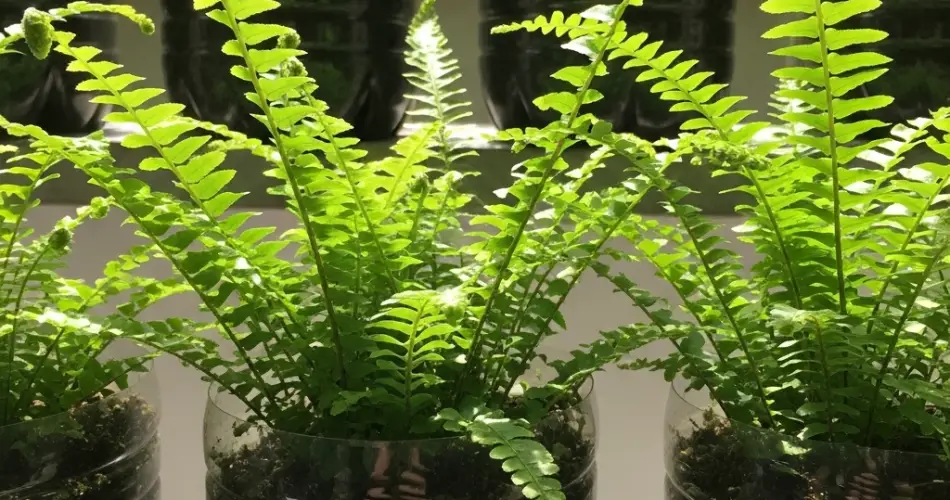
Ferns are lush, leafy houseplants that bring a sense of freshness and natural beauty to any indoor space. With their delicate fronds and love for humidity, they are a perfect choice for indoor container gardening. Whether placed on a windowsill, hanging in a basket, or displayed on a plant stand, ferns can transform your home into a soothing indoor jungle.
While ferns are often thought of as high-maintenance plants, they are surprisingly easy to grow in containers when given the right conditions. With proper soil, the correct pot, and regular care, you can enjoy vibrant, healthy ferns that brighten your indoor environment all year long.
Why Choose Ferns for Container Gardening?
Ferns come in many varieties, including Boston ferns, maidenhair ferns, bird’s nest ferns, and asparagus ferns. Each has its unique charm, but they all share a love for moisture and indirect light. Container gardening allows you to control their growing conditions, making it easier to maintain the right balance of water, humidity, and light indoors.
Benefits of growing ferns in containers include:
-
Mobility: Easily move plants to adjust for light and humidity.
-
Control: Better management of soil quality and moisture.
-
Style: Containers offer creative display options that enhance home décor.
-
Health: Ferns purify the air and create a calming, green environment.
Selecting the Right Container
Choosing the correct pot is essential to fern health. Here’s what to look for:
-
Drainage holes: Ferns do not like soggy roots. Make sure the pot has one or more holes at the bottom to allow excess water to escape.
-
Material: Plastic and glazed ceramic pots retain moisture well, which is beneficial for ferns. Terra cotta is more porous and dries out faster, so it’s best used with moisture-loving varieties only if you’re able to water regularly.
-
Size: Pick a pot that’s slightly larger than the plant’s root ball. A snug fit helps prevent excess moisture buildup while still allowing room for growth.
You can use hanging baskets, shallow bowls, or tall planters depending on the fern’s growth habit. Hanging ferns like Boston fern do well in suspended containers where their fronds can cascade freely.
Choosing the Right Soil
Ferns need soil that stays moist but doesn’t become waterlogged. The ideal potting mix for ferns is:
-
Light and well-draining
-
Rich in organic matter
-
Moisture-retentive
You can use a high-quality indoor potting mix and amend it with ingredients such as peat moss, coconut coir, or compost for extra water retention. Perlite can be added for improved drainage. Avoid heavy or clay-based soils, as they retain too much water and can suffocate the roots.
A simple homemade mix might include:
-
2 parts peat moss or coco coir
-
1 part perlite
-
1 part compost or leaf mold
How to Plant Your Fern
-
Prepare the container by adding a layer of small stones or gravel at the bottom (optional but helps with drainage).
-
Add soil, filling the pot halfway.
-
Remove the fern from its nursery pot and gently loosen the roots.
-
Place the fern in the new container and fill in the sides with more soil.
-
Water thoroughly until water drains out the bottom.
Position the pot in a location with indirect or filtered light—fern leaves can burn under direct sun.
Caring for Your Fern Indoors
Ferns are known for loving humidity and consistent moisture. Here’s how to keep them thriving:
-
Watering: Keep the soil consistently moist but not soggy. Water when the top inch of soil starts to dry out. Avoid letting the soil completely dry between waterings.
-
Humidity: Ferns thrive in high humidity. Mist your plant daily or place it near a humidifier. A tray with pebbles and water placed under the pot can also help.
-
Light: Place ferns in bright, indirect light. Bathrooms and kitchens are often ideal due to higher humidity.
-
Feeding: Fertilize lightly once a month during the growing season with a diluted liquid houseplant fertilizer.
-
Cleaning: Remove dead or yellowing fronds to encourage new growth and maintain a tidy appearance.
Common Problems and Solutions
-
Brown tips: Often a sign of low humidity or inconsistent watering.
-
Yellow leaves: Could be caused by overwatering or lack of nutrients.
-
Frond drop: Typically results from a sudden change in environment or insufficient light.
Adjust your watering and humidity levels if you notice signs of stress. Ferns are resilient and usually bounce back with improved care.
Display Ideas for Indoor Ferns
Ferns can be styled in many creative ways to complement your indoor jungle theme:
-
Hanging baskets in corners or near windows.
-
Groupings of various fern types for texture contrast.
-
Macramé hangers for a boho touch.
-
Glass terrariums for small ferns and moss companions.
Try mixing different ferns in a single container for a full, lush look, or pair them with other tropical houseplants that enjoy similar conditions.
Final Thoughts
Ferns are a classic choice for indoor container gardening, offering timeless beauty and a refreshing touch of green. With the right pot, soil, and care routine, they are surprisingly easy to grow and maintain. Whether you’re decorating a shelf, brightening a bathroom, or building a lush green corner, ferns will add elegance and vitality to your space.
By understanding their basic needs—moisture, humidity, and light—you can grow a thriving indoor jungle with ferns as the centerpiece.


