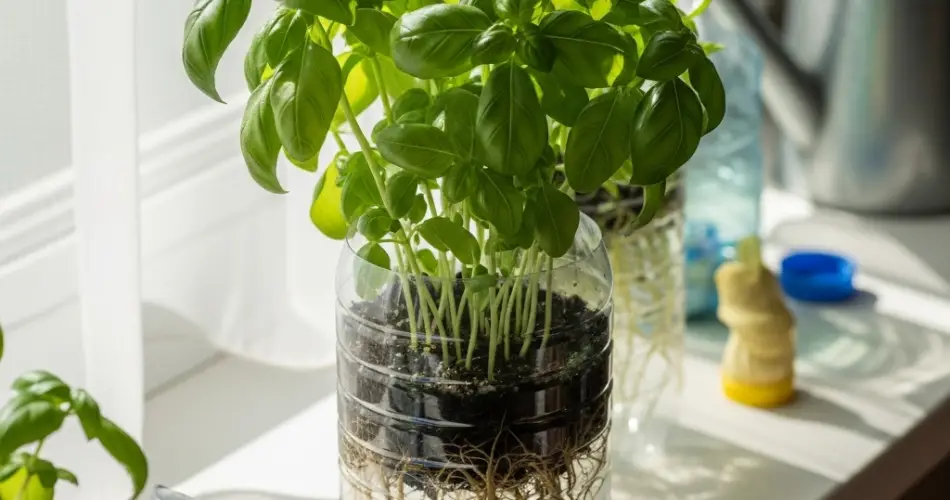
Fresh basil is one of the most rewarding herbs to grow at home—fragrant, flavorful, and easy to cultivate even in small spaces. Whether you enjoy it in salads, sauces, teas, or pesto, having a steady supply of basil on hand can enhance your cooking and support a more sustainable lifestyle.
One of the most accessible and eco-friendly ways to grow basil at home is by using recycled plastic bottles. This method not only reduces plastic waste but also offers an inexpensive and compact way to start your own herb garden, whether on a windowsill, balcony, or kitchen counter.
Why Grow Basil in Plastic Bottles?
Using plastic bottles to grow basil is a practical solution for small spaces and beginner gardeners. These containers can be repurposed into vertical or horizontal planters, making them suitable for tight urban environments.
Benefits include:
-
Low cost and widely available materials
-
Environmentally friendly reuse of plastic
-
Compact and space-saving design
-
Easy to monitor moisture and root development
-
Great for indoor or balcony gardening
Whether you’re aiming for culinary convenience or a greener home, bottle-grown basil delivers fresh results with minimal effort.
What You’ll Need
Before starting, gather the following items:
-
A clean plastic bottle (1-liter or 1.5-liter works well)
-
Scissors or a craft knife
-
Potting mix suitable for herbs
-
Basil seeds or small basil seedlings
-
A small piece of cloth or mesh for drainage (optional)
-
Spray bottle or small watering can
Optional: markers, twine, or paint to decorate the bottle for a more aesthetic display.
How to Prepare Your Bottle Planter
There are two popular ways to grow basil in plastic bottles: horizontally like a trough or vertically like a mini upright pot. Here’s a step-by-step guide for the vertical method:
-
Clean and Cut the Bottle
-
Rinse the bottle thoroughly to remove any residue.
-
Using scissors or a craft knife, cut off the top third of the bottle. You’ll use the bottom portion as the planter.
-
-
Create Drainage
-
Poke a few small holes in the bottom of the bottle to allow excess water to drain.
-
If placing the bottle indoors, set it in a shallow dish to catch any drainage.
-
-
Add a Base Layer (Optional)
-
Place a small piece of cloth, pebbles, or mesh over the drainage holes to prevent soil from washing out.
-
-
Fill with Soil
-
Fill the bottle about three-quarters full with potting mix. A light, well-draining mix is best for herbs like basil.
-
-
Plant Your Basil
-
If using seeds: plant 2–3 seeds about ¼ inch deep and gently cover with soil.
-
If using seedlings: dig a small hole and gently transplant the seedling into the bottle.
-
-
Water Lightly
-
Moisten the soil evenly using a spray bottle or small watering can. Avoid overwatering.
-
Light and Placement
Basil loves warmth and sunlight. For best results:
-
Place the bottle in a sunny spot that receives at least 5–6 hours of indirect sunlight per day.
-
A windowsill, sunny balcony, or kitchen ledge is ideal.
-
If natural light is limited, supplement with LED grow lights to encourage healthy growth.
Watering and Maintenance
Basil prefers slightly moist soil, but not soggy conditions.
-
Water when the top inch of soil feels dry. Check frequently in warm weather.
-
Avoid wetting the leaves too often to reduce the risk of mildew.
-
Pinch off the top leaves regularly to encourage bushy growth and prevent the plant from going to seed.
-
If the plant begins to flower, pinch off the flower buds to maintain leaf production.
Fertilizing
Bottle-grown basil can benefit from occasional feeding:
-
Use a diluted liquid fertilizer once every 2–3 weeks during active growth.
-
Choose organic or water-soluble fertilizers suitable for herbs and edible plants.
Harvesting Your Basil
Once the plant has grown several sets of leaves, you can begin harvesting:
-
Harvest from the top, taking no more than one-third of the plant at a time to allow continued growth.
-
Use sharp scissors to cut just above a leaf pair or node.
-
Regular harvesting encourages more branching and fuller plants.
Reusing and Scaling Up
Once you’ve successfully grown basil in one bottle, consider expanding your setup:
-
Create a vertical herb wall by attaching bottles to a wooden frame or hanging them from cords.
-
Use multiple bottles to grow other herbs like parsley, cilantro, or mint.
-
Combine basil bottles with repurposed containers made from cans, jars, or other recyclables to build a diverse indoor herb garden.
Conclusion
Growing basil in recycled plastic bottles is a simple, sustainable, and satisfying gardening project. It turns everyday waste into something green and useful while bringing fresh flavor right to your kitchen. With a bit of sunlight, regular watering, and a pair of scissors for trimming, you’ll enjoy lush, aromatic basil that thrives right from your windowsill—proof that great gardening can start with something as humble as a plastic bottle.


