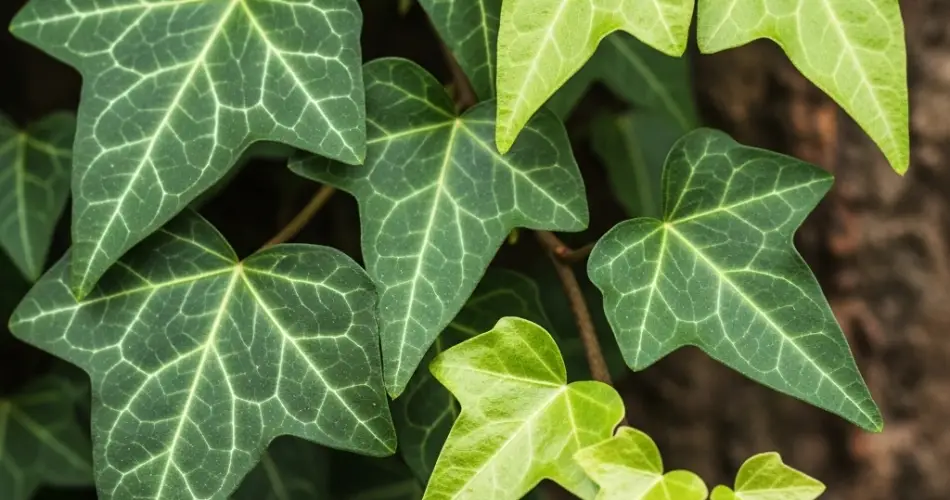
English ivy (Hedera helix) is a classic climbing plant admired for its glossy, vibrant leaves and versatile growth habit. Whether draping over walls, cascading from hanging baskets, or climbing trellises indoors and outdoors, English ivy brings a touch of greenery and elegance to any space. While it is relatively hardy, achieving lush, thriving growth requires attention to light, watering, soil, pruning, and pest management. This guide provides practical tips for cultivating healthy English ivy that flourishes year-round.
Understanding English Ivy Growth
English ivy is a vigorous, evergreen vine that can grow both horizontally and vertically. Its growth pattern is influenced by light, moisture, temperature, and nutrient availability. Ivy develops aerial roots that help it cling to surfaces, making it ideal for walls and trellises. Indoors, it thrives in containers and hanging baskets, where pruning and training guide its shape and fullness.
Understanding these growth habits helps gardeners create conditions that support robust foliage and strong vines.
Light Requirements
Light is one of the most important factors for English ivy health:
-
Indoors: Ivy prefers bright, indirect light. East- or west-facing windows are ideal, while too much direct sun can scorch leaves. In low-light rooms, growth may slow, and leaves can lose their vibrant color.
-
Outdoors: Partial shade to full sun works depending on the variety, but most English ivy cultivars prefer filtered sunlight. Avoid intense afternoon sun, which can dry out leaves and stunt growth.
Adjusting light exposure ensures strong, glossy leaves and encourages fuller vine development.
Watering and Moisture
Proper watering is crucial to prevent both drought stress and root rot:
-
Soil moisture: Keep the soil evenly moist but never waterlogged. Allow the top inch of soil to dry slightly between waterings.
-
Watering frequency: Typically once a week is sufficient for indoor plants, but adjust based on pot size, indoor temperature, and season.
-
Drainage: Always use pots with drainage holes and well-draining soil to prevent standing water, which can lead to root rot.
Monitoring soil moisture helps maintain healthy roots and promotes consistent leaf growth.
Soil and Fertilization
English ivy thrives in well-draining, nutrient-rich soil:
-
Soil mix: A general-purpose potting mix with added perlite or sand ensures good drainage and aeration.
-
Fertilization: Apply a balanced, water-soluble fertilizer every 4–6 weeks during the growing season (spring through early fall). Avoid over-fertilization, which can cause excessive leaf growth at the expense of root health.
-
pH preference: Slightly acidic to neutral soil (pH 6.0–7.0) supports optimal nutrient uptake.
Proper soil and feeding routines contribute to vigorous vine development and healthy foliage.
Pruning and Training
Pruning is essential for shaping and maintaining dense, attractive vines:
-
Trim long or leggy stems to encourage branching and fuller growth.
-
Remove yellowing, damaged, or diseased leaves promptly.
-
Train vines along trellises, walls, or other supports to direct growth and create desired patterns.
Regular pruning not only improves appearance but also stimulates the plant to produce new shoots, keeping your ivy lush and vibrant.
Pest and Disease Management
While English ivy is relatively hardy, it can be susceptible to pests and fungal issues:
-
Common pests: Spider mites, aphids, and scale insects can damage leaves. Inspect plants regularly and treat infestations with insecticidal soap or neem oil.
-
Diseases: Overwatering or poor airflow can lead to root rot or leaf spot diseases. Ensure proper drainage and maintain adequate spacing for airflow around plants.
-
Preventive care: Clean leaves occasionally and avoid wetting the foliage excessively to minimize fungal risk.
Proactive pest and disease management helps maintain healthy, thriving ivy over time.
Indoor vs. Outdoor Considerations
-
Indoors: Use hanging baskets, small pots, or trained trellises to control growth and enhance décor. Maintain moderate humidity and consistent light for best results.
-
Outdoors: English ivy can be used as groundcover or climbing vines, but monitor for invasive tendencies. Regular pruning prevents it from overtaking other plants or structures.
Conclusion
English ivy is a versatile and attractive plant that can enhance both indoor and outdoor spaces. By providing bright, indirect light, proper watering, well-draining soil, balanced fertilization, and regular pruning, you can cultivate lush, vigorous vines that maintain their vibrant green foliage year-round.
Attention to pest and disease management, along with thoughtful indoor or outdoor placement, ensures that your English ivy not only survives but thrives. With consistent care, this classic vine adds beauty, texture, and a touch of greenery to any environment, making it a timeless favorite for plant enthusiasts.


