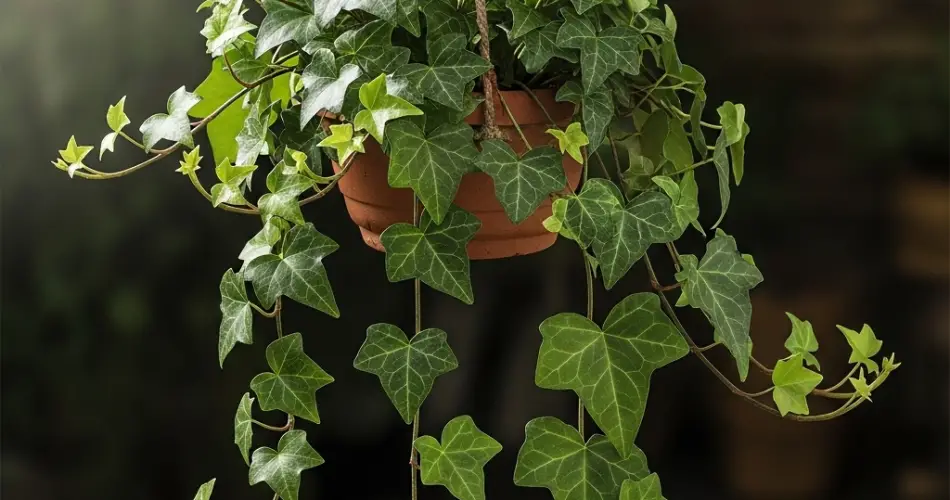
English ivy (Hedera helix) is a versatile and hardy vine admired for its elegant, trailing foliage and ability to thrive indoors and outdoors. Known for its glossy, green leaves and fast growth, English ivy can transform walls, trellises, and containers into lush, decorative displays. One of the key factors in cultivating healthy ivy is maintaining consistent soil moisture. Too much or too little water can quickly compromise growth, cause leaf damage, or even lead to root rot. Understanding the best practices for soil moisture management ensures that English ivy remains vibrant and thriving.
Understanding English Ivy’s Water Needs
English ivy originates from temperate forests, where the soil is consistently moist but well-drained. While it is relatively drought-tolerant compared to some tropical plants, it still requires steady moisture to maintain its lush foliage:
-
Roots: Healthy roots need both water and air. Saturated soil limits oxygen, increasing the risk of root rot, while overly dry soil stresses the plant, causing wilting and leaf drop.
-
Leaves: Evenly hydrated soil supports glossy, vibrant leaves. Inconsistent watering leads to yellowing, curling, or browning leaf edges.
-
Growth: Adequate moisture promotes vigorous vine development and enables the plant to cover surfaces more effectively.
Maintaining the right balance is crucial for both ornamental and functional purposes.
Choosing the Right Soil
Soil composition significantly impacts moisture retention and drainage:
-
Well-draining soil: English ivy thrives in loamy soil mixed with organic matter such as peat moss or compost. This ensures the soil retains enough moisture without becoming waterlogged.
-
Container soil: For potted ivy, a standard potting mix with added perlite or sand improves aeration and drainage, preventing root rot.
-
pH level: Ivy prefers slightly acidic to neutral soil (pH 6.0–7.0), which enhances nutrient uptake and promotes healthy growth.
Proper soil preparation forms the foundation for maintaining consistent moisture and preventing water-related problems.
Watering Techniques
Consistent watering practices are essential for healthy ivy:
Top Watering
-
Pour water evenly around the base of the plant until it begins to drain from the bottom.
-
Avoid wetting the foliage to prevent fungal diseases and leaf spots.
-
Water deeply but infrequently to encourage deep root growth and improve drought tolerance.
Bottom Watering
-
Place containers in a tray of water and allow the soil to draw up moisture for 15–30 minutes.
-
Remove excess water after absorption to prevent standing water at the base.
Self-Watering Containers
-
These provide consistent soil moisture through a reservoir, reducing the risk of drying out between watering.
-
Monitor moisture levels regularly to prevent oversaturation, which can promote root rot.
Moisture Monitoring
-
Use a moisture meter or insert your finger about 1–2 inches into the soil. Water only when the top layer feels slightly dry.
-
Adjust frequency based on season and indoor conditions: ivy generally needs more water in spring and summer, less in cooler months when growth slows.
Mulching for Soil Moisture Retention
Mulching helps regulate soil moisture and temperature:
-
Apply a thin layer of organic mulch, such as bark chips or compost, around the base of outdoor or container ivy.
-
Mulch slows evaporation, keeps roots cool, and reduces the frequency of watering.
-
Avoid piling mulch against the stem to prevent rot.
Mulching is particularly effective for outdoor ivy beds exposed to sun or wind.
Environmental Factors
Environmental conditions influence water needs:
-
Light: Ivy in bright, indirect light requires more frequent watering than ivy in shaded areas.
-
Temperature and humidity: Indoor heating or dry air can increase evaporation. Consider using a humidity tray or misting lightly to maintain optimal moisture.
-
Air circulation: Proper airflow reduces fungal risks, even when soil is moist. Avoid placing ivy in stagnant, humid conditions without ventilation.
Adjusting watering practices based on these factors ensures consistent soil moisture and healthy growth.
Common Watering Mistakes
-
Overwatering: Leads to root rot, yellowing leaves, and wilting despite saturated soil.
-
Underwatering: Causes leaf drop, browning edges, and slowed vine growth.
-
Inconsistent watering: Frequent wet-dry cycles stress the plant and reduce vigor.
-
Ignoring seasonal changes: Ivy’s water requirements fluctuate with growth patterns and environmental conditions.
Being mindful of these common pitfalls prevents water-related stress and promotes robust growth.
Final Thoughts
Maintaining proper soil moisture is essential for the long-term success of English ivy. By choosing well-draining soil, watering consistently, and monitoring environmental conditions, gardeners can ensure healthy roots, glossy foliage, and vigorous vine growth. Mulching and using self-watering methods can further support steady moisture, while careful attention to seasonal needs prevents stress and damage.
With consistent care and a focus on soil moisture management, English ivy can flourish indoors or outdoors, creating a lush, vibrant, and visually appealing green display. Understanding its water needs allows gardeners to enjoy the beauty and versatility of this classic ornamental vine year-round.


