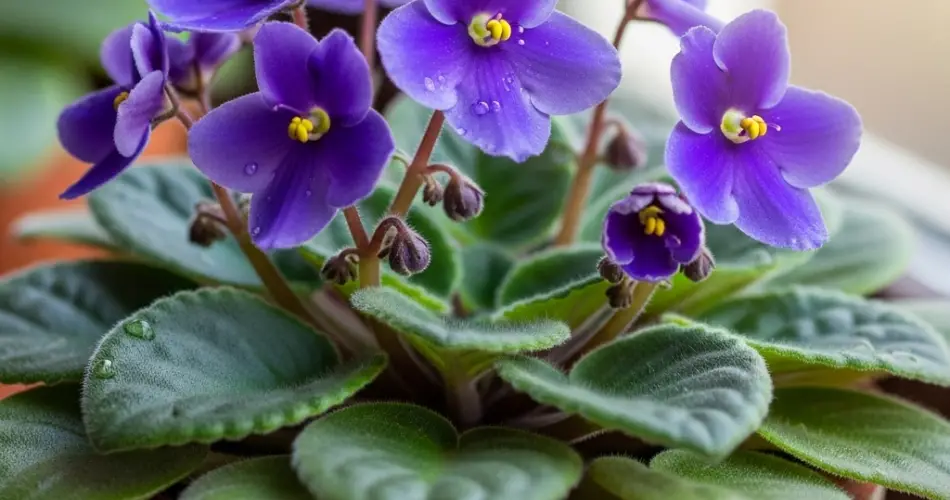
African violets (Saintpaulia spp.) are cherished indoor plants known for their delicate, velvety leaves and vibrant, long-lasting blooms. Compact and elegant, they brighten any indoor space, from windowsills to office desks. While these plants are relatively easy to grow, their health and flowering success depend on careful attention to light, water, soil, and general care practices. Mastering African violet care ensures lush foliage and continuous blooms, creating a vibrant indoor garden year-round.
Understanding African Violet Requirements
African violets are tropical plants native to East Africa. Their environment in the wild consists of filtered sunlight, high humidity, and well-drained soils. Mimicking these conditions indoors is key to keeping them healthy:
-
Light: Bright, indirect light encourages healthy foliage and abundant flowering. Direct sunlight can scorch leaves, while insufficient light slows growth and reduces blooming.
-
Water: Consistent soil moisture is essential. Overwatering can cause root rot, while underwatering leads to drooping leaves and stunted growth.
-
Soil: Light, well-draining soil prevents waterlogging and supports root health. African violets thrive in slightly acidic soil rich in organic matter.
-
Humidity and temperature: Moderate humidity (40–60%) and stable temperatures (65–75°F / 18–24°C during the day) create ideal conditions. Avoid cold drafts and excessive heat.
Understanding these requirements allows indoor gardeners to create an environment conducive to vibrant growth.
Choosing the Right Pot and Soil
Proper potting is crucial for African violets:
-
Pot selection: Use pots with drainage holes to prevent standing water. Terracotta or plastic pots work well, but choose a size slightly larger than the root ball to avoid excess soil that retains water.
-
Soil mix: A lightweight, porous mix encourages root aeration and prevents compaction. A combination of peat moss, perlite, and vermiculite provides excellent drainage and moisture retention.
Repotting every 12–18 months with fresh soil refreshes nutrients and encourages strong root development, supporting lush foliage and abundant blooms.
Watering Techniques
Correct watering is essential to maintain healthy roots and leaves:
-
Bottom watering: Fill a saucer or tray with water and let the plant absorb moisture through the drainage holes. This prevents water from touching the leaves, reducing the risk of spotting or fungal issues.
-
Top watering: If watering from above, pour gently at the base, avoiding leaf contact. Use room-temperature water to prevent shock to the roots.
-
Self-watering pots: These can maintain consistent soil moisture, but monitor the soil to prevent over-saturation.
Check soil moisture regularly. Water only when the top inch feels slightly dry to maintain a balance that supports growth without causing root rot.
Light and Placement
Light is a primary factor in African violet health:
-
Bright, indirect light: East- or north-facing windows provide ideal sunlight. If placing near south- or west-facing windows, use sheer curtains to diffuse direct light.
-
Artificial lighting: Fluorescent or LED grow lights can supplement natural light, especially in low-light environments. Position lights 12–18 inches above the plant for 10–12 hours per day.
-
Rotation: Turn pots periodically to ensure even growth and prevent leaves from leaning toward the light.
Consistent and adequate light encourages both healthy leaves and frequent flowering.
Fertilization and Maintenance
Nutrient management supports growth and bloom production:
-
Fertilizer type: Use a balanced, water-soluble fertilizer (e.g., 20-20-20) or one slightly higher in phosphorus to stimulate flowering.
-
Frequency: Feed every 4–6 weeks during active growth. Reduce fertilization during winter when growth slows.
-
Leaf care: Wipe leaves gently with a damp cloth to remove dust, enhancing photosynthesis.
-
Pruning: Remove faded blooms and damaged leaves to redirect energy toward new growth.
Proper fertilization and maintenance ensure your African violets remain vibrant and productive.
Encouraging Blooms
Flowering depends on consistent care and environmental conditions:
-
Soil moisture: Keep soil evenly moist, avoiding extremes.
-
Light exposure: Bright, filtered light encourages bud formation and prolongs flower life.
-
Fertilization: Phosphorus-rich fertilizer during the growing season supports abundant blooms.
-
Temperature and humidity: Stable, moderate conditions prevent stress and flower drop.
By combining these factors, African violets can bloom repeatedly throughout the year, enhancing the beauty of your indoor garden.
Final Thoughts
Mastering African violet care involves understanding their specific light, water, soil, and environmental needs. Proper potting, careful watering, balanced fertilization, and thoughtful placement all contribute to lush foliage and vibrant blooms. With attentive care, African violets thrive indoors, transforming ordinary spaces into lively, colorful gardens. Following these practices allows gardeners to enjoy healthy, flourishing African violets that bring beauty and life to any room year-round.


