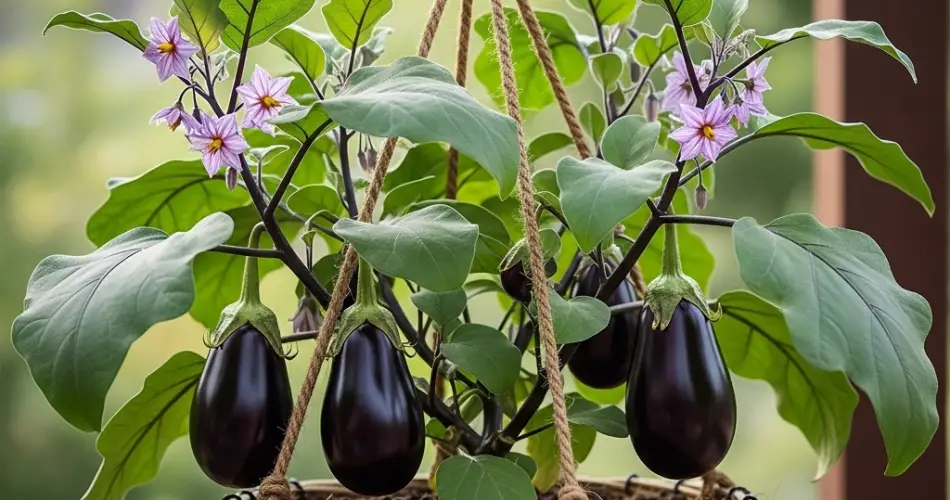
Eggplant, with its glossy purple skin and rich flavor, is a rewarding vegetable to grow at home. While many gardeners think of it as a crop for large garden beds, eggplant adapts surprisingly well to container gardening. Using baskets as planters is a creative and practical way to grow this versatile vegetable, especially for those with limited space. Not only do baskets provide a rustic charm to patios and backyards, but they also offer excellent growing conditions when prepared correctly.
Why Grow Eggplants in Baskets?
Baskets may not be the first thing that comes to mind for gardening, but they have unique advantages:
-
Space efficiency: Perfect for small patios, balconies, or backyard corners.
-
Portability: Lightweight enough to move around to follow the sun or protect from harsh weather.
-
Drainage benefits: With a bit of preparation, baskets provide natural drainage, preventing waterlogging.
-
Aesthetic appeal: Their rustic look blends beautifully with outdoor décor while showcasing vibrant green leaves and purple fruits.
For gardeners looking for both functionality and beauty, baskets make eggplant growing both easy and stylish.
Choosing the Right Basket
Not all baskets are created equal when it comes to gardening. Select a sturdy, deep basket that can accommodate the eggplant’s root system.
-
Depth: At least 12–14 inches deep to allow roots to develop fully.
-
Diameter: Wide enough to give each plant space to grow without crowding.
-
Material: Woven wicker, rattan, or even sturdy bamboo baskets work well, provided they are lined and supported.
-
Handles: If the basket has handles, it’s easier to move it around as needed.
Keep in mind that baskets are naturally porous, so lining them is essential to prevent soil from spilling out and to retain moisture.
Preparing the Basket for Planting
Proper preparation ensures that your eggplant thrives in its unconventional home.
-
Line the basket: Use burlap, coconut coir, or a heavy-duty landscape fabric to hold the soil in place while still allowing drainage.
-
Add drainage: Place a layer of small stones, gravel, or broken terracotta pieces at the bottom. This keeps roots from sitting in excess water.
-
Fill with soil mix: Use a rich, well-draining mix made of:
-
2 parts garden soil or potting mix
-
1 part compost for nutrients
-
1 part sand or perlite for aeration
-
This blend provides the fertility eggplants need while preventing soil compaction.
Planting Eggplant in Baskets
Eggplants can be started from seed or young seedlings. For beginners, seedlings are often the easiest choice.
-
Seeds: Start indoors 6–8 weeks before the last frost, then transplant into baskets once they are sturdy and the weather warms.
-
Seedlings: Choose compact or container-friendly varieties like ‘Black Beauty’ or ‘Little Finger’ for best results.
When planting, set seedlings in the soil at the same depth as in their starter pots. Space them about 18–24 inches apart if your basket is large enough to hold more than one plant. Otherwise, one strong eggplant per basket is ideal.
Sunlight and Watering Needs
Eggplants love warmth and sun. Place your basket in the sunniest spot available—at least 6–8 hours of direct light daily.
-
Watering: Baskets dry out faster than traditional pots, so check the soil often. Keep it consistently moist but not soggy. Water deeply so moisture reaches the root zone.
-
Mulching: Add a layer of straw or shredded leaves on top of the soil to retain moisture and regulate temperature.
Regular watering is critical for fruit development. Irregular watering may cause blossoms to drop or fruit to become bitter.
Caring for Eggplants in Baskets
Like most vegetables, eggplants benefit from a little extra attention to thrive.
-
Fertilization: Use a balanced organic fertilizer every 3–4 weeks to encourage strong growth and fruit production.
-
Support: As eggplants grow taller and produce heavy fruits, they may need staking or a small cage to prevent the stems from bending.
-
Pruning: Remove yellowing leaves and suckers (small shoots at the base) to focus energy on fruiting.
-
Pest control: Watch for common pests like aphids or flea beetles. Neem oil sprays or introducing beneficial insects can help keep them under control.
With regular care, eggplants in baskets grow just as successfully as those in the ground.
Harvesting Your Eggplants
One of the joys of growing eggplants is harvesting their shiny, purple fruits.
-
Timing: Harvest when the skin is glossy and the fruit feels firm. Dull or overly soft fruits are past their prime.
-
Size: Depending on the variety, eggplants are ready when they reach 4–6 inches long.
-
Method: Cut fruits with garden shears or scissors, leaving a small portion of the stem attached. This prevents damage to the plant.
Regular harvesting encourages more fruit production, so don’t leave mature eggplants on the plant for too long.
Final Thoughts
Eggplant gardening doesn’t have to be complicated or confined to traditional plots. With baskets, you can enjoy a practical, decorative, and space-saving solution for growing this nutritious vegetable. A little preparation and consistent care will reward you with beautiful, homegrown eggplants that are perfect for grilling, roasting, or adding to hearty stews.
By rethinking everyday materials like baskets, you can transform your gardening routine and bring fresh produce right to your doorstep. Whether you’re a beginner gardener or a seasoned green thumb, growing eggplant in baskets is an easy and satisfying project that combines rustic charm with delicious results.


