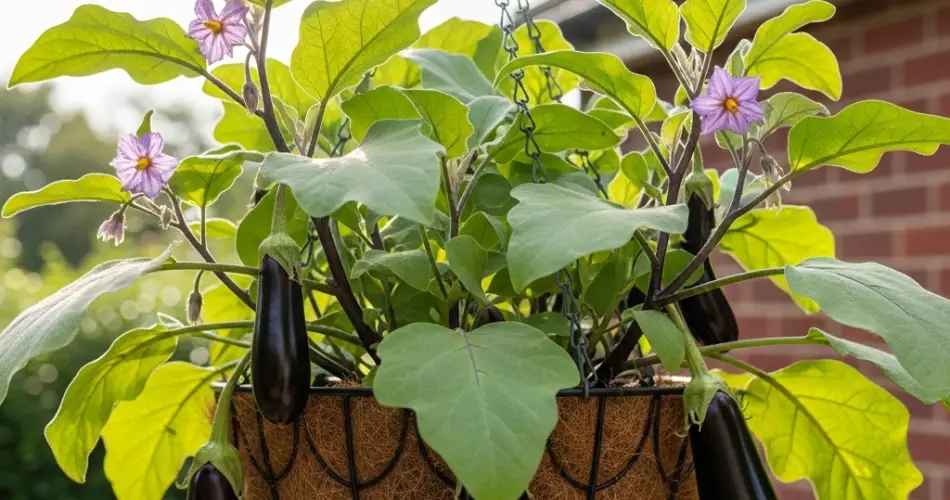
Eggplants are a delicious and versatile vegetable that can be successfully grown in small spaces using compact varieties and container gardening techniques. Small-space baskets allow urban gardeners, balcony growers, and patio cultivators to enjoy homegrown eggplants without the need for a traditional garden plot. With the right variety, soil, and care, compact eggplants can thrive in baskets, producing flavorful fruits while adding beauty and greenery to limited outdoor spaces.
Choosing the Right Eggplant Variety
For small-space basket gardening, selecting the right variety is essential. Dwarf or compact eggplant cultivars are best suited to containers because they require less room and produce manageable-sized fruits. Some popular compact varieties include ‘Patio Baby,’ ‘Fairy Tale,’ ‘Hansel,’ and ‘Little Fingers.’ These varieties typically grow 12–24 inches tall and develop small to medium fruits, making them ideal for baskets. Avoid standard or large varieties unless you plan to provide extra support and frequent care.
Selecting a Basket
Choose a sturdy basket that can hold both soil and water without bending or breaking. A minimum size of 12–14 inches in diameter and depth is recommended to accommodate root growth. Materials such as plastic, resin, or lined wire baskets work well. Ensure the basket has proper drainage holes to prevent waterlogging, which can cause root rot. Using a liner like coconut coir, burlap, or landscape fabric can help retain soil while still allowing excess water to escape.
Preparing the Soil
Eggplants require nutrient-rich, well-draining soil to thrive. A good potting mix should include:
-
High-quality potting soil
-
Compost or well-rotted organic matter for nutrients
-
Perlite or sand to improve drainage
Avoid using garden soil in baskets, as it can compact and restrict root growth. Aim for a slightly acidic to neutral pH (6.0–7.0). Adding slow-release fertilizer at planting will provide consistent nutrition to support healthy growth and fruit production.
Planting Eggplants in Baskets
To plant eggplants in baskets:
-
Fill the basket with prepared soil, leaving about 2 inches from the top.
-
Create a hole slightly larger than the seedling’s root ball.
-
Gently place the seedling into the hole and firm the soil around the roots.
-
Water thoroughly to help settle the soil and reduce transplant shock.
For small-space baskets, planting one compact eggplant per basket is usually sufficient. This allows the plant to receive enough nutrients and airflow to grow vigorously.
Sunlight Requirements
Eggplants are sun-loving plants that need at least 6–8 hours of direct sunlight daily. Position baskets in the sunniest spot available, whether on a balcony, patio, or rooftop garden. If full sun is limited, move the basket throughout the day to maximize exposure. Adequate sunlight ensures strong stems, abundant foliage, and high fruit production.
Watering and Fertilization
Compact eggplants in baskets require consistent watering. The soil should remain evenly moist but not soggy. Baskets tend to dry out faster than ground soil, especially in warm weather, so daily checks may be necessary. Mulching with straw or small bark chips can help retain moisture and moderate soil temperature.
Fertilize regularly with a balanced, water-soluble fertilizer every 2–3 weeks. Compact eggplants are moderate feeders, and consistent nutrition encourages strong growth, healthy foliage, and prolific fruiting.
Supporting Growth
Even dwarf varieties benefit from light support to keep stems upright as fruits develop. Small stakes, trellises, or cages can prevent bending and reduce the risk of fruit damage. Soft ties or clips can gently secure stems without harming the plant.
Pruning and Maintenance
Pruning helps maintain plant shape, improve airflow, and direct energy toward fruit production. Remove yellowing or damaged leaves and pinch off the growing tips once the plant reaches the desired height. Regular trimming encourages branching and maximizes yield while keeping the plant compact and manageable.
Harvesting Eggplants
Eggplants are ready to harvest when their skin is glossy, firm, and the size appropriate for their variety. Compact varieties may be harvested when fruits are 4–6 inches long. Use sharp scissors or pruning shears to cut the fruit, leaving a short stem attached. Frequent harvesting encourages continued flowering and fruiting, ensuring a steady supply of fresh eggplants throughout the season.
Benefits of Small-Space Basket Gardening
Growing compact eggplants in baskets offers several advantages:
-
Space-saving, ideal for urban and balcony gardens
-
Easier pest and disease management due to elevated position
-
Portability for optimal sunlight and protection from harsh weather
-
Attractive addition to outdoor spaces with fresh, homegrown produce
Final Thoughts
Compact eggplants thrive in small-space baskets when provided with rich soil, adequate sunlight, consistent watering, and proper support. Choosing the right dwarf variety and maintaining regular care will yield a productive and visually appealing container garden. Even gardeners with limited space can enjoy fresh, homegrown eggplants using this versatile and rewarding growing method.


