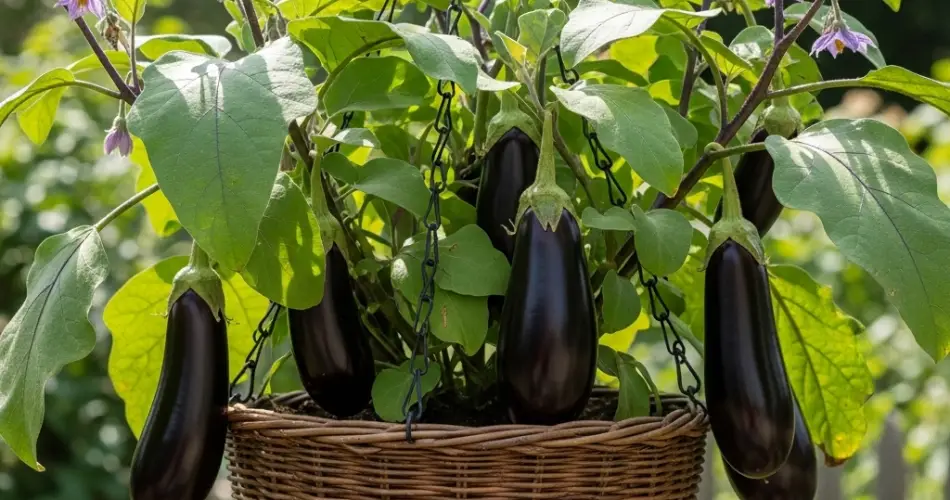
Eggplants are a versatile and flavorful vegetable that can thrive in small spaces when grown in hanging baskets. Ideal for patios, balconies, or compact gardens, hanging baskets allow gardeners to maximize vertical space while enjoying fresh, homegrown produce. With proper care, eggplants grown in baskets can produce abundant fruit while adding a touch of greenery and color to any outdoor area. This guide will walk you through the steps to grow eggplants successfully in hanging baskets, from planting to harvesting.
Choosing the Right Eggplant Variety
When growing eggplants in hanging baskets, selecting a compact or dwarf variety is crucial. Smaller cultivars, such as ‘Patio Baby,’ ‘Little Finger,’ or ‘Fairy Tale,’ are better suited to containers and hanging setups. These varieties require less space and support, making them ideal for basket gardening. Regular or large eggplant varieties can be grown in baskets but may require additional support and more frequent care to prevent branches from breaking under the weight of the fruit.
Selecting a Hanging Basket
Choose a sturdy hanging basket that can support the weight of soil, water, and mature eggplants. Baskets should be at least 12–14 inches in diameter and deep enough to allow for root development, ideally 12 inches or more. Plastic or resin baskets with good drainage are preferred, as eggplants are prone to root rot if left in soggy soil. Lined wire baskets with coco coir or a similar breathable material also work well, helping to retain moisture while allowing excess water to escape.
Preparing the Soil
Eggplants thrive in rich, well-draining soil. A good container mix should include:
-
High-quality potting soil
-
Compost or well-rotted organic matter for nutrients
-
Perlite or vermiculite to improve drainage and aeration
Avoid using garden soil, which can compact in containers and restrict root growth. The soil should be loose, fertile, and slightly acidic to neutral (pH 6.0–7.0). Adding a slow-release fertilizer at planting time can support healthy growth and fruit production.
Planting Eggplants in Hanging Baskets
To plant eggplants in a hanging basket:
-
Fill the basket with prepared soil, leaving about 2 inches from the top.
-
Make a hole slightly larger than the root ball of the seedling.
-
Place the seedling in the hole and gently firm the soil around the roots.
-
Water thoroughly to help settle the soil and reduce transplant shock.
For multiple plants in a single basket, ensure adequate spacing to allow air circulation and prevent overcrowding. Generally, one compact eggplant per basket is ideal for optimal growth.
Light Requirements
Eggplants are sun-loving plants that need at least 6–8 hours of direct sunlight per day. Hang baskets in a location where they will receive full sun, ideally in a sheltered spot to protect from strong winds that could sway the basket and damage the plants. Insufficient sunlight can result in weak growth and fewer flowers and fruits.
Watering and Fertilization
Eggplants in hanging baskets require consistent watering. The soil should remain moist but not waterlogged. Hanging baskets can dry out quickly, especially in warm weather, so daily watering may be necessary. Mulching the soil surface with straw or small bark chips can help retain moisture.
Fertilize regularly with a balanced, water-soluble fertilizer every 2–3 weeks. Eggplants are heavy feeders, and consistent nutrients promote strong stems, lush foliage, and abundant fruit production.
Supporting Fruit Growth
Even compact eggplant varieties may benefit from support in hanging baskets. Installing a small trellis, stake, or cage in the basket helps prevent branches from bending or breaking under the weight of the fruit. Gentle tying with soft garden twine can provide additional stability as the plants grow.
Pruning Eggplants
Pruning encourages airflow, reduces disease risk, and focuses energy on fruit production. Remove any yellowing or damaged leaves and pinch off the tips of main stems once the plant has reached the desired height. This promotes branching and can increase fruit yield.
Harvesting Eggplants
Eggplants are ready to harvest when they reach a glossy, firm size appropriate for their variety. Smaller varieties may be picked at 4–6 inches long, while larger varieties may take 8–10 inches. Use a sharp pair of scissors or pruning shears to cut the fruit from the plant, leaving a short stem attached. Frequent harvesting encourages continued flowering and fruit production.
Benefits of Hanging Basket Gardening
Growing eggplants in hanging baskets offers multiple advantages:
-
Space-saving, ideal for small gardens or urban environments
-
Improved air circulation reduces disease risk
-
Easy access to fresh, homegrown vegetables
-
Adds visual appeal and greenery to outdoor spaces
Final Thoughts
Eggplants can thrive in hanging baskets when provided with proper soil, sunlight, water, and nutrients. Selecting compact varieties, ensuring good drainage, and supporting fruit growth will maximize yield and plant health. Hanging baskets are a versatile and space-efficient way to enjoy fresh, homegrown eggplants even in limited outdoor areas. With careful attention and consistent care, you can enjoy a productive and visually attractive eggplant garden above ground level.


