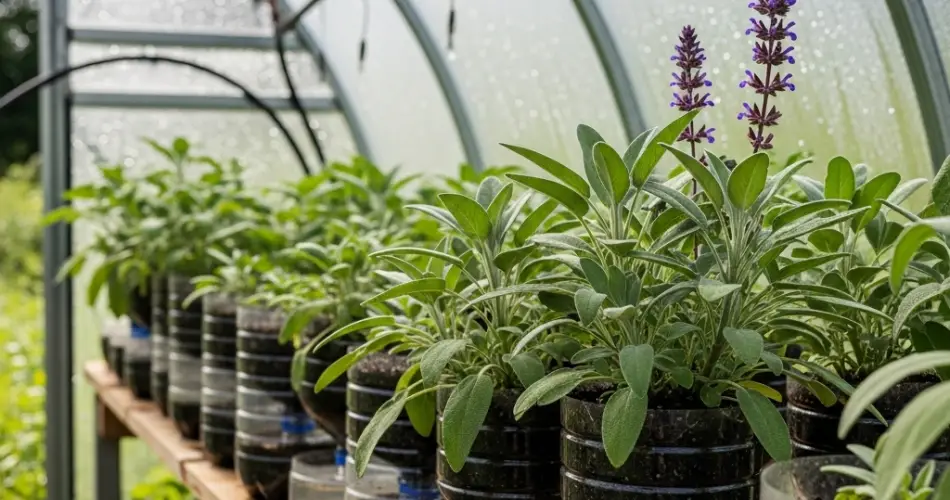
Sage is a fragrant and versatile herb, widely used in cooking, herbal remedies, and even decorative gardening. One of the easiest and most sustainable ways to propagate sage is through water rooting in household bottles. This method allows you to grow new plants from simple cuttings, reduces kitchen waste, and provides a continuous supply of fresh sage leaves. With minimal effort, anyone can create an eco-smart home herb garden using this approach.
Selecting Healthy Sage Cuttings
The first step in successful propagation is choosing the right cuttings. Look for healthy, green stems that are free from disease, discoloration, or pests. Ideally, select young, non-woody shoots around 4 to 6 inches long, as these are most likely to develop roots quickly. Avoid mature, woody stems, which tend to root slowly and less reliably.
Trim the cutting just below a leaf node—the point where a leaf attaches to the stem. This is where new roots are most likely to form. Remove the lower leaves that will be submerged in water, leaving the top leaves intact. By reducing the leaf area, the plant can focus energy on developing roots rather than sustaining foliage.
Preparing Household Bottles for Propagation
Any clear bottle, jar, or container can be used for water propagation. The key is to choose a container that allows light to reach the cuttings and provides enough support for the stems to stand upright. Narrow-necked bottles work well, as they hold the stem steady while roots grow.
Fill the container with clean, room-temperature water. If using tap water, allow it to sit for several hours to dissipate chlorine, which can hinder root formation. Filtered or distilled water is also suitable. Make sure the leaves remain above the water level to prevent rotting.
Positioning and Light Requirements
Place the bottle in a location that receives bright, indirect sunlight. Direct sunlight can overheat the water and damage the cutting, while low light may slow root growth. A sunny windowsill or countertop near a well-lit window is ideal.
Change the water every two to three days to maintain freshness and prevent bacterial or fungal buildup. Each time you refresh the water, gently rinse the stem to remove any residue, ensuring a clean environment for roots to develop.
Root Development and Growth Monitoring
Within one to two weeks, small roots should begin emerging from the base of the stem. Roots will continue to grow longer and thicker over the next several weeks. During this time, the leaves may also show new growth, signaling that the cutting is establishing itself.
Patience is key during this stage. Root growth can vary depending on light, temperature, and cutting quality. A well-rooted cutting is ready for either continued water growth or transplantation into soil.
Optional Nutrient Boost
While sage can root successfully in plain water, adding a very dilute liquid fertilizer can support faster growth. Use an all-purpose liquid plant food at a quarter of the recommended strength to avoid over-fertilizing, which can damage delicate roots.
Transplanting Sage to Soil
Once roots are several inches long, you can transfer the cutting to soil if desired. Choose a pot with good drainage and fill it with a light, well-draining potting mix. Place the cutting so the roots are fully covered while keeping the leaves above the soil line. Water gently and situate the pot in bright, indirect light during the initial days to reduce transplant shock.
Sage prefers soil that is slightly dry rather than constantly wet. Allow the top inch of soil to dry between waterings to prevent root rot and encourage strong root development.
Harvesting and Care
Sage grown from cuttings can be harvested once the plant is established. Trim leaves as needed, but avoid removing more than one-third of the plant at a time to maintain healthy growth. Regular pruning encourages bushier stems and prevents the plant from becoming leggy.
Indoor sage requires moderate watering and adequate light, while outdoor plants can thrive in sunny, well-drained areas. Whether kept in pots or garden beds, water-propagated sage offers a sustainable way to maintain fresh herbs year-round.
Common Challenges and Solutions
Cuttings may sometimes fail to root due to poor water quality, insufficient light, or damaged stems. Ensure the water is changed regularly, the bottle is well-lit, and cuttings are healthy. Remove any cuttings that show signs of rot or mold to protect the rest of the plants.
Conclusion
Propagating sage in household bottles is an eco-friendly and effective method to produce fresh herbs from simple cuttings. By selecting healthy stems, maintaining clean water, and monitoring growth, you can enjoy a continuous supply of sage for cooking, teas, and decorative use. This method is not only sustainable but also an engaging way to explore home gardening, turning ordinary bottles into thriving herb gardens.


