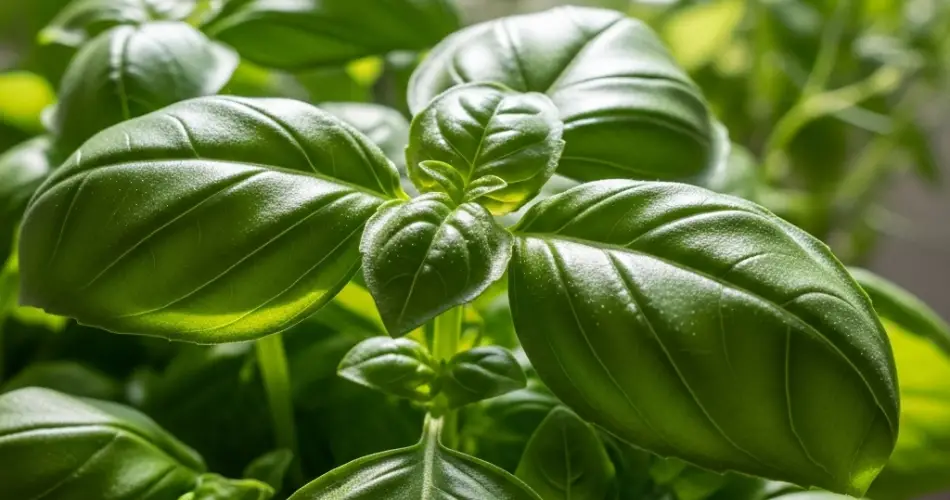
Growing your own basil at home doesn’t require a fancy garden or expensive pots. In fact, all you need is an empty plastic bottle, a bit of soil, and a sunny spot. This sustainable and space-saving method not only saves money but also contributes to reducing plastic waste. Here’s how you can grow fresh, aromatic basil right in a reused plastic bottle—perfect for balconies, windowsills, or small backyard corners.
Why Grow Basil in a Bottle?
Using plastic bottles as plant containers has gained popularity for its eco-friendliness. It helps repurpose plastic that might otherwise end up in landfills and offers a great way to garden in tight urban spaces. Basil, being a hardy and fast-growing herb, adapts well to this container setup.
Besides, having a constant supply of basil means you’ll always have fresh leaves on hand to add a burst of flavor to your pasta, salads, soups, and homemade pesto.
Materials You’ll Need
-
1 large transparent plastic bottle (1.5 to 2 liters)
-
Sharp cutter or scissors
-
Potting soil or compost-rich garden soil
-
Basil seeds or cuttings
-
Watering can or spray bottle
-
Optional: charcoal or pebbles for drainage
Step-by-Step Bottle Preparation
-
Clean the Bottle:
Wash the plastic bottle thoroughly to remove any residue. Remove the label for better sunlight penetration if the bottle will be placed in a bright area. -
Cut the Bottle:
Use a cutter to cut the bottle horizontally about one-third from the bottom. The lower part will serve as the planter. Keep the upper portion—you can invert it to act as a funnel for watering or use it as a mini greenhouse to retain moisture during seed germination. -
Create Drainage:
Poke a few small holes in the bottom of the bottle for water drainage. Add a layer of pebbles or crushed charcoal if available, which helps with aeration and prevents root rot. -
Add Soil:
Fill the bottle with rich, well-draining soil. A mix of garden soil with a bit of compost or worm castings is ideal for basil growth.
Planting Basil
From Seeds:
-
Sprinkle 5–10 basil seeds on the surface of the soil.
-
Cover lightly with a thin layer of soil (about 1/4 inch).
-
Mist gently with water.
-
Place in a warm, sunny spot—basil needs at least 6 hours of sunlight daily.
-
Germination should occur within 5–10 days.
From Cuttings:
-
If you have access to basil cuttings, choose a healthy stem and trim just below a leaf node.
-
Place the cutting in water until roots form (usually in 7–10 days).
-
Once roots are about 1 inch long, transplant the cutting into the bottle planter.
Care and Maintenance
-
Watering:
Basil prefers moist but not soggy soil. Water regularly when the top inch of soil feels dry. A spray bottle can help avoid overwatering, especially for seedlings. -
Light:
Ensure the plant receives sufficient light. If you’re growing it indoors, place it on a sunny windowsill. For outdoor settings, morning sun and afternoon shade work best in hot climates. -
Feeding:
Feed basil monthly with a mild organic fertilizer or compost tea. Too much nitrogen can reduce the essential oil concentration in the leaves, making them less flavorful. -
Pruning:
Regularly pinch off the tops of basil stems to encourage bushier growth and prevent flowering, which can reduce leaf quality. If flowers do appear, snip them off to redirect the plant’s energy into leaf production.
Harvesting Your Basil
Begin harvesting once the plant has developed at least six sets of leaves. Always pick the topmost leaves first, which encourages more growth from the sides. Harvesting frequently promotes a longer-lasting and healthier plant.
Avoid pulling leaves from the base of the plant, as this can weaken it. Use clean scissors or simply pinch leaves off with your fingers.
Benefits of Bottle-Grown Basil
-
Eco-Friendly Gardening:
Reusing plastic bottles helps reduce household waste and offers an excellent example of sustainable living. -
Freshness at Hand:
Nothing beats the aroma and taste of freshly harvested basil in your cooking. Whether it’s for pasta sauces, Thai dishes, or pizza toppings, your kitchen will never run out. -
Compact and Mobile:
Bottle planters are easy to move around. You can shift them according to sunlight or even bring them indoors during bad weather.
Final Thoughts
Growing basil in plastic bottles is a rewarding, eco-conscious gardening method that suits even the smallest spaces. With minimal tools and effort, you can enjoy a continuous supply of fresh basil while also contributing to a cleaner environment. Whether you’re a seasoned gardener or a complete beginner, this DIY project brings herbs straight from bottle to kitchen with simplicity and sustainability.


