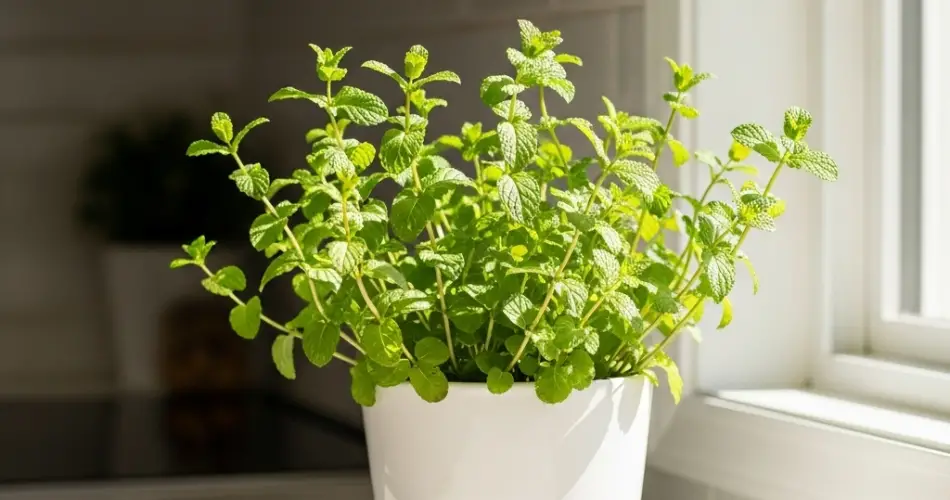
Growing mint indoors is not only easy and rewarding but also a great way to reuse materials that would otherwise end up in the trash. By turning household waste like plastic bottles, tin cans, or glass jars into plant containers, you can create a sustainable and space-efficient indoor herb garden. Mint, with its refreshing aroma and fast growth, is one of the best herbs for this kind of setup.
This guide will show you how to start an upcycled mint garden at home using simple, eco-friendly methods that are perfect for windowsills, countertops, or small balcony spaces.
Why Grow Mint Indoors?
Mint is a hardy herb that thrives in containers, making it ideal for indoor growing. It doesn’t require much attention and grows quickly under the right conditions. By growing mint indoors, you’ll always have fresh leaves on hand for teas, cooking, or natural air freshening. Plus, keeping the plant indoors helps control its spread, as mint tends to take over garden beds when planted outdoors.
What You’ll Need:
-
Mint cuttings or seedlings
-
Upcycled containers (plastic bottles, tin cans, jars, yogurt cups, etc.)
-
Potting mix (light, well-draining)
-
Small stones or pebbles for drainage (optional)
-
Watering can or spray bottle
-
Sharp knife or scissors
-
Nail or drill for making holes
-
Optional: compost or organic fertilizer
Step 1: Prepare Your Containers
Select containers that are at least 4–6 inches deep to allow for root growth. Rinse them thoroughly and remove any labels. If you’re using plastic bottles, cut them in half or cut a side window for planting. For cans or jars, use a nail or drill to make small drainage holes at the bottom. This prevents water buildup that can lead to root rot.
If you can’t drill holes into glass jars, place a layer of stones at the bottom before adding soil to help with drainage.
Step 2: Choose Mint Cuttings or Seedlings
Mint grows very well from cuttings. If you have access to a fresh sprig of mint, cut a 4–6 inch stem just below a leaf node. Remove the lower leaves and place the stem in a glass of water near a sunny window. Within 7–10 days, you should see roots forming. Once the roots are about an inch long, the cutting is ready for planting.
Alternatively, you can use nursery-bought mint seedlings if you prefer a quicker start.
Step 3: Fill and Plant
Add a layer of small stones or pebbles to the bottom of your container if drainage holes are not possible. Then, fill the container with potting soil, leaving about 1 inch of space at the top.
Plant your rooted mint cutting or seedling in the center. Gently firm the soil around the stem and water lightly to moisten the soil without over-saturating it.
Step 4: Provide the Right Conditions
Mint prefers indirect light, making it suitable for bright windowsills that don’t get intense afternoon sun. A few hours of morning light is ideal. If natural light is limited, you can use a small grow light to supplement.
Keep the soil consistently moist but not soggy. Use a spray bottle or a gentle stream of water every few days, depending on your home’s humidity. Mint enjoys humid conditions, so placing the container on a tray of water-filled pebbles or occasionally misting the leaves can help.
Step 5: Care and Harvesting
Once your mint plant is established, it will grow rapidly. To encourage bushy growth, regularly pinch off the growing tips. This also delays flowering and keeps the leaves flavorful.
Harvest by cutting stems just above a pair of leaves. Avoid cutting more than one-third of the plant at a time, which allows it to recover and continue producing.
Feed the plant with a diluted organic fertilizer or compost tea every two to three weeks for optimal growth.
Creative Upcycling Ideas
-
Turn old teacups or mugs into stylish mint planters.
-
Use hanging tin cans for a vertical mint garden.
-
Convert broken kitchenware like cracked bowls or chipped pitchers into rustic plant pots.
-
Decorate your containers with paint or fabric scraps to add a personal touch.
Benefits of an Upcycled Mint Garden
-
Reduces household waste through creative reuse.
-
Provides a constant supply of fresh, organic mint.
-
Improves indoor air quality and adds greenery to your home.
-
Serves as a fun and educational project for kids or beginners.
Conclusion
Creating an upcycled mint garden is a sustainable, affordable, and satisfying way to grow herbs indoors. Whether you’re a seasoned gardener or a beginner, this project brings the joy of fresh mint right into your kitchen using materials you already have. With just a little effort and creativity, you can enjoy homegrown mint year-round while reducing waste and adding charm to your indoor space.


