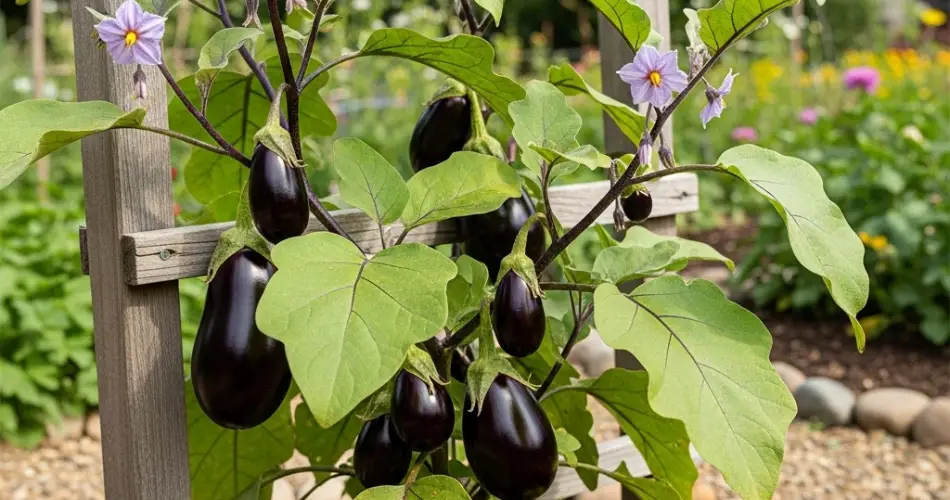
Eggplants are a rewarding crop to grow, whether in backyard gardens, raised beds, or containers on patios. Their glossy purple fruits and broad leaves bring both beauty and utility to the garden. However, anyone who has grown eggplants knows that their heavy branches often sprawl outward, weighed down by ripening fruits. Without proper support, stems may snap, fruits may touch the soil, and overall plant health can suffer. This is where durable metal grids come into play, offering a strong and reliable solution for holding eggplant branches upright.
Why Eggplants Need Strong Support
Unlike tomatoes or beans, eggplants do not climb or twine naturally. Their woody stems can grow thick, but once the plant starts setting large fruits, the weight often causes branches to bend or break. This creates several problems:
-
Stem Damage: Overloaded branches may snap, reducing yield.
-
Soil Contact: Fruits lying on the ground are more likely to rot or become targets for pests like slugs.
-
Airflow Reduction: Plants that sprawl across the soil trap moisture, making fungal diseases more likely.
-
Messy Growth: Without a support system, plants become difficult to manage and harvest.
Providing a sturdy support structure ensures healthier plants, cleaner fruits, and easier access for pruning and picking.
Why Choose Metal Grids?
There are many support systems available, from wooden stakes to plastic cages. However, metal grids offer unique advantages for eggplant growers:
-
Strength and Durability: Powder-coated or galvanized steel can withstand the weight of multiple fruits without bending.
-
Longevity: Unlike wooden stakes that may rot or plastic supports that degrade in sunlight, metal grids can last for many growing seasons.
-
Stability: A grid anchored in the soil provides even support across the plant, reducing stress on individual stems.
-
Versatility: They can be used for eggplants, peppers, tomatoes, and other heavy-branching crops.
For gardeners looking for a long-term, reusable option, metal grids are a practical investment.
Types of Metal Grids for Eggplants
Not all grids are the same. Choosing the right type depends on garden space and plant variety:
-
Square or Rectangular Panels: Ideal for raised beds and container gardens, they provide a flat vertical surface for stems to rest against.
-
Cylindrical Cages: Surround the entire plant, holding branches upright as they grow.
-
A-Frame Grids: Two panels joined at the top create a tent-like structure, allowing branches to spread evenly.
No matter the style, the key is to select a grid tall enough (at least 2–3 feet) and strong enough to handle the weight of maturing fruits.
How to Use Metal Grids for Eggplants
Setting up metal grids for eggplants is simple but requires some planning:
-
Placement: Install the grid at planting time or soon after transplanting seedlings. This avoids disturbing roots later on.
-
Anchoring: Push the legs or stakes firmly into the soil so the grid doesn’t shift under weight.
-
Training Branches: As plants grow, guide branches through the openings or secure them gently with soft ties.
-
Supporting Fruits: For especially heavy eggplants, consider using fabric slings tied to the grid to cradle fruits until harvest.
Regularly check ties and adjust branches as the plant grows to prevent damage.
Best Eggplant Varieties for Grid Support
Most eggplant types benefit from support, but some varieties are particularly well-suited for vertical growing with grids:
-
Black Beauty: Classic large fruits that need strong support.
-
Rosa Bianca: Round, heavy fruits that weigh down stems.
-
Japanese Eggplants: Long, slender varieties that grow prolifically and benefit from upright support.
-
Mini Varieties: Even small-fruited types like Fairy Tale benefit from grids to keep branches neat and upright.
Benefits Beyond Support
Using metal grids for eggplants doesn’t just prevent breakage—it also improves the overall growing experience:
-
Better Sunlight Exposure: Upright plants allow leaves to absorb more sunlight, improving photosynthesis.
-
Improved Airflow: Reduces the risk of fungal diseases and helps foliage dry quickly after rain or watering.
-
Efficient Use of Space: Keeps plants compact and organized, ideal for small gardens or balconies.
-
Easier Harvesting: Fruits are visible and easy to pick without searching through tangled stems.
Maintenance and Longevity
To maximize their usefulness, care for your metal grids properly:
-
Clean After Each Season: Wash off soil and plant residue to prevent rust.
-
Store Indoors if Possible: Keeping them in a shed or garage during winter extends their lifespan.
-
Check for Coating Damage: Touch up scratches on powder-coated surfaces to prevent rusting.
With proper care, a set of quality metal grids can serve your garden for many years.
Conclusion
Eggplants thrive when given sturdy support, and durable metal grids are one of the most reliable solutions. By holding branches upright, these grids protect stems, keep fruits clean, and improve overall plant health. Whether you’re growing large globe eggplants or smaller specialty varieties, a strong metal grid ensures your plants remain manageable and productive throughout the season.
For gardeners who want both efficiency and longevity, investing in metal grids is a step toward healthier plants, higher yields, and a more organized garden.


