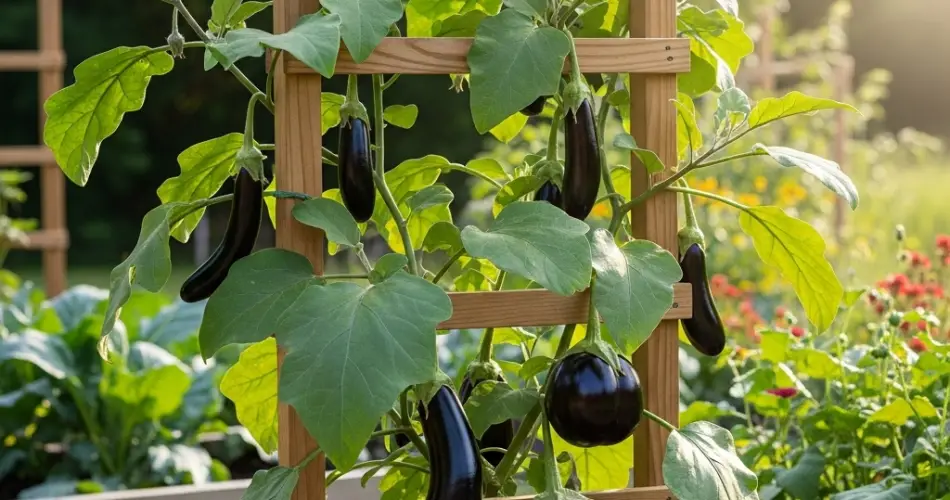
Eggplants are a staple in many home gardens, known for their striking purple fruits and their versatility in cooking. From grilling to stir-frying, eggplants add depth and flavor to countless dishes. However, these plants can present unique challenges. Eggplant stems tend to be brittle, and their heavy fruits often weigh them down, causing plants to bend, sprawl, or even break. For gardeners working with limited space or looking for a cleaner, more organized garden, vertical gardening with wall trellises is an excellent solution.
Training eggplants to grow vertically against a wall not only saves space but also improves plant health, reduces pest problems, and makes harvesting more convenient. With the right trellis system, even a small garden, patio, or balcony can produce a bountiful eggplant harvest.
Why Grow Eggplants Vertically?
Unlike climbing crops such as beans, eggplants don’t naturally cling or twine. Instead, they grow as compact bushes with upright stems that become heavy as fruits develop. Without support, branches may slump to the ground, exposing fruits to several issues:
-
Pests: Ground-level fruits attract slugs, beetles, and other garden pests.
-
Diseases: Poor airflow and soil contact increase the risk of rot and fungal infections.
-
Sun damage: Fruits shaded by low-hanging foliage may develop uneven color.
-
Breakage: Heavy fruits can snap stems, reducing yield.
A wall trellis keeps plants upright, ensuring good air circulation, even sunlight exposure, and healthier, cleaner fruits.
Advantages of Wall Trellises for Eggplants
Wall-mounted trellises provide sturdy vertical support while maximizing available garden space. Here are the main benefits:
-
Space efficiency: Perfect for urban gardeners with small yards or balcony gardens.
-
Improved airflow: Plants dry faster after watering or rain, reducing fungal issues.
-
Easier maintenance: Vertical growth simplifies pruning, pest monitoring, and harvesting.
-
Healthier fruit: Eggplants remain elevated, clean, and less prone to blemishes.
-
Aesthetic value: A trellis turns an ordinary wall or fence into a lush, productive vertical garden.
Choosing the Right Trellis for Eggplants
Because eggplants are heavier than many vegetables, trellises need to be sturdy and durable. Several styles work well:
1. Wooden Lattice Trellises
A classic choice, wooden lattice panels mounted on walls offer plenty of spots to tie eggplant stems. They also bring a rustic charm to the garden.
2. Metal Mesh or Wire Grids
Strong and weather-resistant, galvanized wire mesh or welded metal grids can handle the weight of multiple fruiting plants. They are especially suitable for larger varieties of eggplants.
3. String or Netting Systems
For smaller-fruited varieties, gardeners can attach netting or vertical strings to a wall frame. This lightweight solution is inexpensive but less durable than wood or metal.
4. Decorative Trellis Panels
Ornamental wooden or wrought iron trellises provide both strength and beauty, turning your eggplants into a living wall feature.
How to Set Up a Wall Trellis for Eggplants
-
Pick a sunny location: Eggplants need 6–8 hours of direct sunlight daily. Choose a south- or west-facing wall if possible.
-
Install the trellis: Mount your chosen trellis securely, ensuring it can withstand both wind and the weight of mature plants.
-
Prepare the soil: Amend the planting area with compost or organic matter to provide rich nutrition.
-
Plant seedlings: Place them 12–18 inches away from the wall base to allow airflow and root spread.
-
Tie stems as they grow: Use soft ties, twine, or fabric strips to attach stems loosely to the trellis. Avoid anything that could cut into the plant.
-
Prune and train: Remove excess side shoots and guide main stems upward for strong, balanced growth.
Supporting Fruits on the Trellis
Eggplants can produce heavy fruits, especially large varieties like Black Beauty. To prevent damage:
-
Use extra ties: Secure fruit-bearing branches to the trellis for added support.
-
Create slings: For very heavy fruits, use fabric strips, mesh bags, or old T-shirts as hammocks to cradle them.
-
Harvest regularly: Picking eggplants when they reach the right size reduces strain on plants and encourages more fruiting.
Care Tips for Trellised Eggplants
-
Water consistently: Eggplants prefer deep, even watering to prevent stress.
-
Mulch well: Organic mulch around the base conserves moisture and suppresses weeds.
-
Fertilize wisely: Use balanced organic fertilizers or compost tea for steady growth.
-
Companion planting: Basil, beans, and marigolds nearby can deter pests and enhance productivity.
-
Monitor pests: Flea beetles and aphids are common on eggplants; early action keeps infestations under control.
Final Thoughts
Vertical eggplant gardening with wall trellises is an efficient and visually appealing way to grow this rewarding crop. By keeping plants upright, you prevent damage, improve plant health, and make harvesting easier. Whether you opt for a rustic wooden lattice, a durable wire grid, or a decorative panel, a wall trellis provides the support eggplants need to thrive.
For gardeners with limited space—or anyone wanting a more organized, attractive garden—this method turns plain walls into productive vertical landscapes. With proper care and the right trellis, your eggplants will flourish, producing abundant, healthy fruits all season long.


