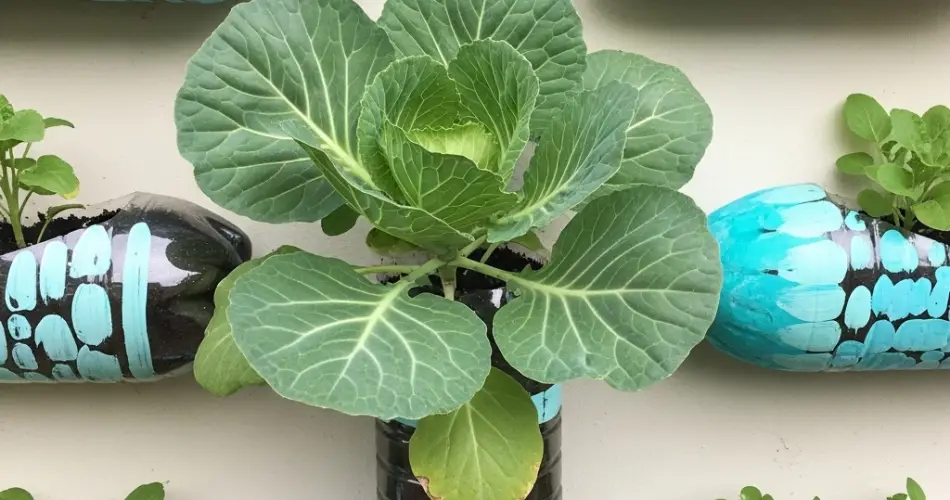
Cabbage is a hearty, leafy vegetable packed with vitamins and fiber. Traditionally grown in spacious garden beds, it may seem like a challenge to grow in small urban spaces. However, with a little creativity, you can successfully cultivate compact cabbage plants in a vertical garden setup using recycled materials like plastic bottles. This space-saving method is perfect for balconies, patios, and apartment walls—transforming them into lush, edible gardens.
Vertical gardening isn’t just efficient—it’s also sustainable and easy to manage. With the right soil, container structure, and proper care, compact cabbage varieties can thrive in hanging bottle gardens while saving ground space and minimizing waste.
Why Grow Cabbage Vertically?
A vertical garden offers a practical solution for growing cabbage in tight quarters. Here’s why it works:
-
Maximizes limited space: Utilizes walls, fences, or balcony rails instead of ground area.
-
Recycles materials: Gives new life to used plastic bottles or containers.
-
Improves airflow: Reduces the risk of fungal disease and pest infestation.
-
Eases maintenance: Less bending down to water, check leaves, or harvest.
-
Adds visual appeal: Lush green heads of cabbage growing on a vertical wall create a vibrant display.
Compact or mini cabbage varieties are particularly suited to container and vertical gardening, making this method a smart choice for urban growers.
What You’ll Need
To create your DIY vertical cabbage garden, gather the following materials:
-
Clean 1.5–2-liter plastic bottles (preferably with a wide middle)
-
Utility knife or scissors
-
Potting soil
-
Compost or organic fertilizer
-
Compact cabbage seeds or seedlings
-
String, rope, or wire
-
Hooks or brackets for mounting
-
A heated nail or drill for making holes
Ensure all bottles are clean and durable enough to support plant weight and moisture for several weeks.
Recommended Cabbage Varieties
When gardening vertically, it’s important to select cabbage types that don’t grow too large. Look for:
-
Mini Cabbage – Smaller heads that mature quickly and need less root space.
-
Golden Acre – Compact, globe-shaped heads ideal for containers.
-
Pixie – A dwarf variety known for early harvest and dense heads.
-
Caraflex – Cone-shaped cabbages that are space-efficient and tender.
These varieties typically reach full size in smaller volumes of soil and mature faster than full-sized cabbage.
Preparing the Bottles
-
Wash the bottles thoroughly and remove labels.
-
Cut a rectangular window on one side of each bottle—about 4–5 inches long and 3 inches wide.
-
Add drainage holes to the bottom using a heated nail or drill to prevent water accumulation.
-
Create hanging holes: Punch two small holes near the top edges (above the planting window) for attaching wire or string.
You can hang the bottles on a fence, wall frame, or a wooden pallet leaned against a wall in a sunny location.
Soil and Fertilizer
Cabbage requires nutrient-rich, well-draining soil to grow firm and healthy heads.
Soil mix:
-
2 parts potting soil
-
1 part compost or well-rotted manure
-
A handful of perlite or coco peat to improve drainage
Mix in a slow-release fertilizer suitable for leafy vegetables. Cabbage is a heavy feeder, so additional feeding every two weeks with a diluted liquid fertilizer can help.
Planting Steps
-
Fill each bottle with the prepared soil mix, leaving 1 inch at the top.
-
Transplant cabbage seedlings carefully into the opening, or sow 2–3 seeds and thin out the weaker ones once they sprout.
-
Water gently to settle the soil around the roots.
Each bottle should house only one cabbage plant to allow enough room for the head to form.
Sunlight and Watering
-
Sunlight: Cabbage prefers 6–8 hours of sunlight daily. South-facing or unobstructed walls work best.
-
Watering: Keep the soil moist but not soggy. In warm weather, check daily, as containers dry out faster than ground beds.
-
Mulching: Place a thin layer of dry leaves or straw on top of the soil to retain moisture and protect roots from heat.
Care and Maintenance
-
Remove weeds regularly to avoid competition for nutrients.
-
Check for pests like aphids or cabbage worms. Use neem oil spray or handpick pests when visible.
-
Provide airflow by not overcrowding the wall and spacing bottles apart vertically.
As the cabbage matures, leaves will begin to curl inward to form a head. Ensure the plant receives enough nutrients during this phase for optimal head formation.
Harvesting
Compact cabbage varieties are usually ready for harvest 60–80 days after planting. The heads will feel firm and full when they’re mature.
To harvest:
-
Use a sharp knife to cut the head off at the base, leaving the outer leaves and root intact.
-
In some cases, a second smaller head may regrow from the base after harvest.
Store harvested cabbage in a cool, dry place or refrigerate for longer shelf life.
Final Thoughts
A vertical cabbage garden using recycled plastic bottles is an excellent way to grow fresh, nutritious produce even in the smallest spaces. It promotes sustainability, creativity, and self-sufficiency—ideal for home gardeners looking to reduce waste while producing their own food. With proper care, sunlight, and attention to watering and nutrition, your vertical wall can become a thriving cabbage garden that’s as beautiful as it is productive.


