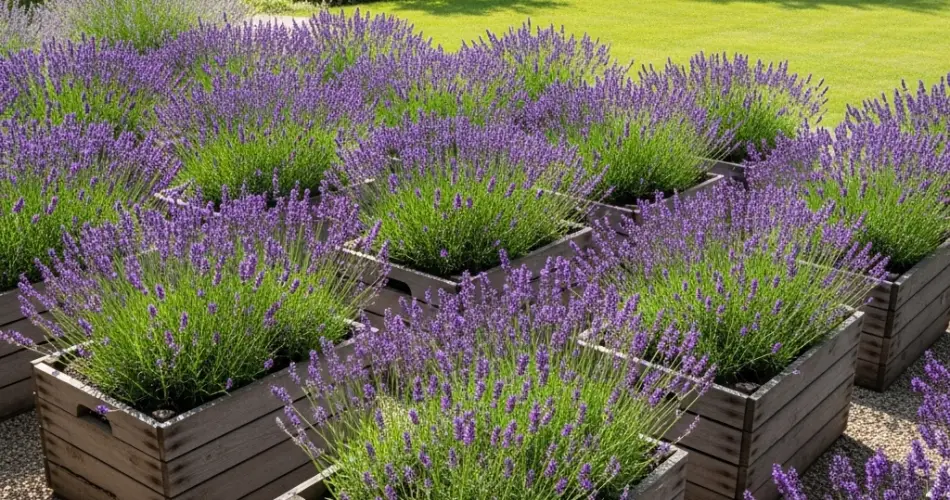
Lavender is not only a fragrant and beautiful plant, but also a practical addition to any home garden. Known for its calming aroma, delicate purple flowers, and drought tolerance, lavender thrives in full sun and well-draining soil—making it an ideal candidate for wooden crate gardening. Whether you’re growing lavender for its aesthetic appeal, to attract pollinators, or to harvest for home use, wooden crates offer a stylish and convenient way to create small, manageable garden beds in outdoor spaces.
Perfect for patios, balconies, or backyard corners, wooden crate planters combine rustic charm with functionality, offering a simple and effective way to grow lavender in containers.
Why Grow Lavender in Crates?
Wooden crates are excellent containers for herbs like lavender. They allow for good airflow, provide space for root development, and drain water effectively—key factors for healthy lavender growth. Lavender roots are prone to rot if left in soggy conditions, so proper drainage is essential, and crates naturally help with that.
In addition to their function, wooden crates add a decorative, natural look to your outdoor space. They can be repurposed from fruit boxes or built from scratch, and their mobility makes them perfect for small-space gardeners who may need to move plants to catch more sun or protect them from bad weather.
Best Lavender Varieties for Crate Gardening
When choosing lavender for container growing, opt for compact or dwarf varieties that stay manageable in size:
-
English Lavender (Lavandula angustifolia): A classic variety with strong fragrance and good cold tolerance.
-
Hidcote or Munstead: Dwarf English types ideal for pots and crates, with deep purple blooms.
-
French Lavender (Lavandula dentata): More decorative with serrated leaves, suitable for warmer climates.
-
Spanish Lavender (Lavandula stoechas): Recognizable by its showy bracts; thrives in hot, dry conditions.
Each variety has its own bloom time and fragrance profile, so feel free to experiment or grow several types if you have space.
Materials You’ll Need
To create your lavender crate garden, gather the following:
-
A wooden crate (untreated or food-safe wood)
-
Landscape fabric or coconut fiber liner
-
Gravel or pebbles (optional, for extra drainage)
-
Well-draining potting mix (or a mix of potting soil, coarse sand, and perlite)
-
Compost (used sparingly)
-
Lavender seedlings or young plants
-
A trowel
-
Watering can
Preparing the Crate Planter
Begin by lining the inside of your wooden crate with landscape fabric or a coconut fiber liner. This helps hold the soil in while allowing water to drain freely. If your crate doesn’t already have drainage holes or slats, drill a few holes in the bottom to prevent water buildup.
Add a layer of gravel or small stones to the bottom of the crate to further enhance drainage. Fill the rest of the crate with a light, well-draining potting mix. Lavender prefers slightly alkaline soil, so consider adding a small amount of crushed eggshell or garden lime to raise the pH slightly if your mix is too acidic.
Avoid overly rich or dense soil, as lavender prefers lean conditions that mimic its native Mediterranean habitat.
Planting Lavender
Use young lavender plants or nursery seedlings for best results. Gently remove the plant from its pot, loosen the roots, and plant it in the center of the crate if growing one plant, or space multiple plants about 25–30 cm apart.
Firm the soil gently around the base and water thoroughly to help the roots settle in.
Sunlight and Watering
Lavender thrives in full sun. Place your crate in a location that receives at least 6 to 8 hours of direct sunlight each day. A south-facing patio or garden space is ideal.
Once established, lavender is drought-tolerant and should only be watered when the top few centimeters of soil are dry. Be careful not to overwater—lavender dislikes wet feet and grows best in dry, well-drained soil. In rainy seasons, make sure your crate is elevated or tilted slightly to avoid standing water.
Pruning and Maintenance
Regular pruning keeps lavender compact and encourages bushier growth and more blooms. After flowering, trim back the stems by about one-third, avoiding cutting into the woody base. This helps maintain a neat shape and prevents the plant from becoming too leggy or woody.
Remove spent flowers during the blooming season to encourage continued flowering. Light shaping can be done in early spring to remove dead or winter-damaged growth.
Pests and Problems
Lavender is naturally pest-resistant due to its strong aroma, which deters many insects. However, it can occasionally be affected by root rot if overwatered. Ensure proper drainage and avoid heavy or compacted soil.
Fungal diseases like leaf spot may occur in humid conditions with poor air circulation. Space your plants properly and avoid overhead watering to reduce the risk.
Winter Care and Longevity
In mild climates, lavender can stay outdoors year-round. In colder zones, protect your crate with a frost cloth or move it to a sheltered area during freezing temperatures. Even potted lavender can survive winter with adequate drainage and some protection from snow or ice.
Lavender plants can thrive for years with proper pruning and occasional repotting or refreshing of the soil every few seasons.
Conclusion
Creating a DIY lavender bed in a wooden crate is a rewarding project that brings fragrance, beauty, and calm to your outdoor space. With its low-maintenance needs and year-round appeal, lavender is a perfect plant for container gardeners who want to enjoy fresh blooms and soothing scents. Whether you’re crafting homemade sachets, enjoying the flowers in a bouquet, or simply admiring the plant’s natural charm, crate-grown lavender is both practical and delightful to have right outside your door.


