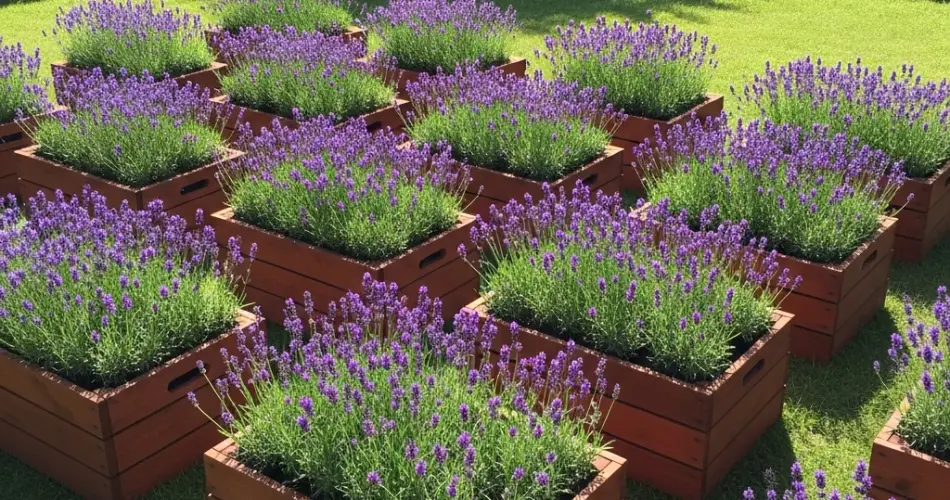
Lavender is one of the most cherished herbs in the garden, known for its calming fragrance, beautiful purple blooms, and diverse uses in cooking, crafts, and wellness. While many gardeners grow lavender in open beds, using wooden crates is an excellent and space-efficient way to cultivate this aromatic plant in your own backyard.
Crate gardening gives you greater control over soil conditions and layout, and it’s a great option for small yards, patios, or anyone looking to grow herbs in a tidy, organized way. Lavender thrives in containers, making it a perfect match for this method.
Why Grow Lavender in Crates?
Lavender is naturally suited to container gardening. Growing it in crates has several advantages:
-
Better soil control: Lavender prefers dry, well-drained, slightly alkaline soil—conditions you can tailor easily in a crate.
-
Portability: Move crates to sunnier spots, protect them from storms, or bring them indoors during cold snaps.
-
Space efficiency: Great for small backyards or balconies where planting beds aren’t available.
-
Visual appeal: Wooden crates provide a rustic, clean look that pairs beautifully with lavender’s elegant appearance.
Lavender in crates also helps prevent root rot in areas with heavy or clay soil, as you can control moisture much more effectively.
Choosing the Right Crate
Select a recycled wooden crate that is sturdy, untreated, and at least 10–12 inches deep. Lavender has a moderate root system and does well in containers that give it room to grow but still allow for proper drainage.
Before planting:
-
Drill drainage holes into the base of the crate to prevent water from pooling.
-
Line the crate with burlap, landscape fabric, or coconut liner to hold the soil in place while allowing excess water to escape.
-
Fill with a well-draining soil mix. Lavender dislikes wet feet, so use potting soil mixed with sand, perlite, or small gravel. You can also add a bit of lime to raise the soil pH slightly, which lavender prefers.
Best Lavender Varieties for Crates
Some types of lavender are better suited to container gardening than others. Here are a few excellent choices for crate gardens:
-
English Lavender (Lavandula angustifolia): Compact, cold-tolerant, and highly fragrant. Great for culinary and ornamental use.
-
French Lavender (Lavandula dentata): Frilly leaves and long blooming period, best for warmer climates.
-
Spanish Lavender (Lavandula stoechas): Unique flower shapes and heat-tolerant, often grown for visual appeal.
-
Lavandin (Lavandula x intermedia): Vigorous and large, suitable for larger crates with space to grow.
Stick to one plant per medium crate unless you’re using a larger container.
Planting Lavender in Crates
Lavender grows best from nursery transplants or cuttings. It can be started from seed, but germination is slow and uneven, so buying young plants is recommended.
To plant:
-
Dig a hole large enough to accommodate the root ball.
-
Place the plant in the hole, ensuring the crown is level with the soil surface.
-
Fill in with your prepared soil mix and pat down gently.
-
Water sparingly after planting, just enough to settle the roots.
Light and Water Requirements
Lavender loves the sun. Place your crate in a location that receives at least 6–8 hours of full sunlight daily. The more light it gets, the more aromatic and robust it will become.
Water sparingly. Allow the top inch of soil to dry out between waterings. Overwatering is one of the most common reasons lavender fails in containers. Crates dry faster than ground beds, so always check soil moisture before watering.
Feeding and Maintenance
Lavender is not a heavy feeder. In fact, too much fertilizer can reduce bloom production and aroma. Mixing compost into the soil at planting time is usually enough. If needed, use a diluted, balanced organic fertilizer once during the growing season.
Prune your lavender lightly after its first flush of blooms to maintain shape and encourage a second round of flowers. In late summer or early fall, cut back the stems by one-third, avoiding cutting into woody parts of the plant.
Harvesting Lavender
Lavender can be harvested once the flowers begin to bloom. Cut stems early in the morning, just as the buds start to open for maximum fragrance and oil content.
To dry lavender:
-
Gather stems in small bunches.
-
Tie them and hang upside down in a cool, dry, shaded place.
-
Once dry, store in airtight containers or use in sachets, teas, or crafts.
Pests, Diseases, and Winter Care
Lavender is naturally pest-resistant due to its strong fragrance, but keep an eye out for root rot from overwatering or poor drainage. Spider mites may occasionally appear and can be removed with a spray of water or neem oil.
In colder regions, crates can be moved to a protected area like a garage, sunroom, or greenhouse. Lavender is semi-hardy depending on the variety, and protecting it from frost will help it come back strong in spring.
Final Thought: Creating a lavender garden in backyard crates is a practical, beautiful way to enjoy the scent, color, and utility of this amazing herb. With proper sunlight, dry soil, and minimal care, your crates will reward you with fragrant blooms and a calming atmosphere season after season.


