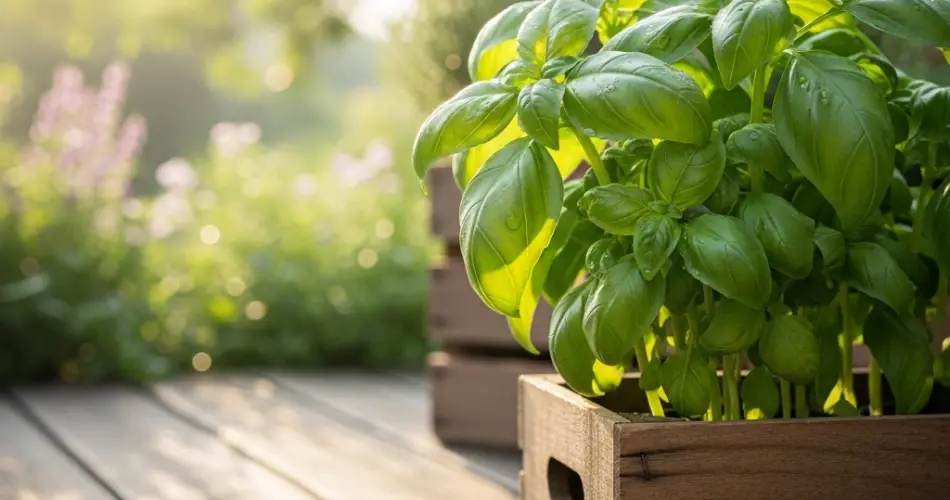
Basil is one of the most beloved herbs for home gardeners. Its vibrant green leaves and fragrant aroma make it a staple in kitchens worldwide, perfect for flavoring pasta, soups, salads, and sauces. The good news is that basil is also one of the easiest herbs to grow, even if you don’t have much space. With a simple wooden crate, you can create an attractive and functional planter that allows basil to thrive right in your outdoor garden, balcony, or patio.
This guide will walk you through the steps of turning ordinary crates into DIY planters and provide tips to ensure your basil grows lush and healthy.
Why Grow Basil in Crates?
Wooden crates make excellent planters for herbs like basil because they are affordable, easy to customize, and stylish for outdoor spaces. Here are a few key benefits:
-
Space-efficient: Crates can be placed on patios, balconies, or even stacked vertically for a mini herb wall.
-
Good drainage: With some preparation, crates can provide excellent soil drainage, which is vital for basil’s health.
-
Eco-friendly: Repurposing crates reduces waste and adds a rustic charm to your garden.
-
Portable: Unlike large garden beds, crates can be easily moved to sunnier spots when needed.
By growing basil in crates, you can transform a small outdoor corner into a productive herb garden.
Choosing the Right Crate
Not all crates are created equal, so selecting the right one is the first step.
-
Size: A medium to large wooden crate works well, giving basil enough root space. Ideally, the crate should be at least 12 inches deep.
-
Material: Use untreated wood to avoid harmful chemicals leaching into the soil.
-
Condition: Choose sturdy crates that can handle the weight of soil and water.
If the wood seems thin, you can reinforce it with additional planks or a liner to extend its life outdoors.
Preparing the Crate for Planting
Before adding soil, you need to prepare your crate so it functions as a proper planter.
-
Line the crate: Use landscape fabric, burlap, or a heavy-duty garbage bag with holes poked through the bottom. This keeps soil inside while allowing excess water to drain.
-
Ensure drainage: Basil does not tolerate soggy roots. Drill small holes at the bottom if the crate doesn’t already allow water to escape.
-
Raise the crate: Place it on bricks or wooden blocks to promote airflow underneath and prevent water damage to the wood.
This preparation ensures your crate planter is durable and functional.
Soil Preparation
Basil thrives in light, well-draining, nutrient-rich soil.
-
Base mix: Use high-quality potting soil rather than heavy garden soil.
-
Enrichment: Mix in compost or aged manure to supply nutrients.
-
Drainage boosters: Add perlite or coarse sand to keep the soil airy.
-
pH preference: Basil prefers slightly acidic to neutral soil, with a pH between 6.0 and 7.0.
Healthy soil is the foundation of a thriving basil crate garden.
Planting Basil
You can grow basil from either seeds or seedlings.
-
Seeds: Sow seeds ¼ inch deep and keep the soil consistently moist until seedlings emerge. Thin them to about 6–8 inches apart once they are a few inches tall.
-
Seedlings: Transplant young basil plants directly into the crate, spacing them properly for airflow.
For continuous harvests, plant multiple seedlings or stagger your planting times.
Sunlight and Watering Needs
Basil loves warmth and sunlight, so placement of your crate is important.
-
Light: Position the crate where it receives at least 6 hours of direct sunlight daily.
-
Watering: Keep the soil consistently moist but never waterlogged. Water at the base of the plant rather than on the leaves to prevent fungal issues.
-
Mulching: A light layer of mulch can help retain soil moisture and regulate temperature.
Caring for Basil in Crates
Regular care will keep your basil thriving throughout the growing season.
-
Pruning: Pinch back the tops once the plant has 6–8 leaves. This encourages bushier growth and prevents premature flowering.
-
Fertilization: Use a balanced, organic fertilizer every 3–4 weeks. Avoid over-fertilizing, as it can reduce the flavor intensity of basil leaves.
-
Flower control: Remove flower buds as soon as they appear. Once basil starts flowering, the leaves can become bitter.
Harvesting Basil
Harvesting basil is one of the most enjoyable parts of growing it.
-
When to harvest: Begin picking once the plant has at least 6–8 mature leaves.
-
How to harvest: Pinch or cut stems just above a leaf node to encourage new growth.
-
Continuous supply: Regular harvesting ensures the plant stays productive and bushy.
Freshly picked basil can be used immediately in cooking, preserved in oil, or dried for later use.
Decorative and Practical Uses of Crate Basil Gardens
Beyond functionality, crate planters add a decorative touch to outdoor gardens. You can paint or stain the crates to match your outdoor aesthetic, or label them with chalkboard paint for an organized herb garden. Grouping multiple crates with different herbs creates a mini garden oasis that’s both practical and visually appealing.
Conclusion
Using wooden crates as basil planters is an easy, affordable, and eco-friendly way to grow fresh herbs at home. With just a bit of preparation, good soil, and regular care, you can enjoy a continuous supply of aromatic basil leaves for your favorite dishes. Whether you place them on a balcony, patio, or garden corner, crate planters not only save space but also add charm to your outdoor living area.


