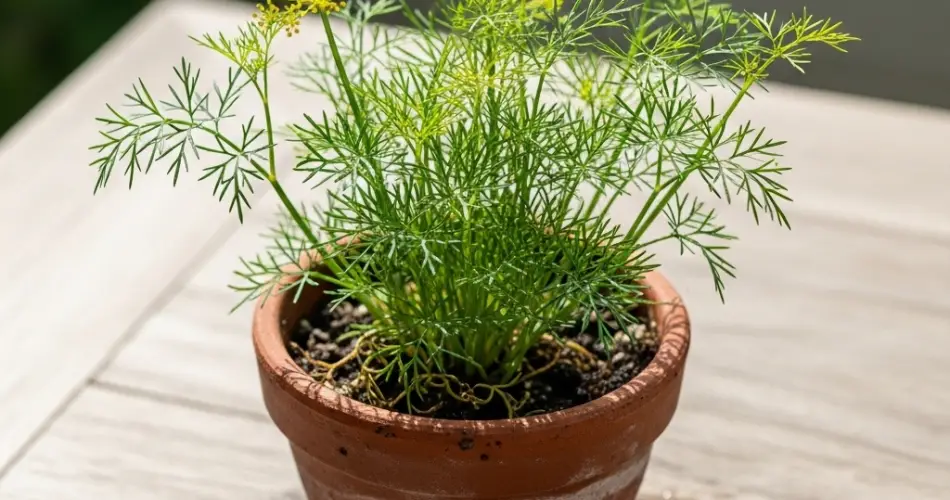
Dill is one of those herbs that brings both beauty and flavor to a garden. Its feathery green foliage, delicate yellow flowers, and distinct aroma make it a favorite among herb enthusiasts. Best of all, dill is easy to grow, even if you don’t have a large outdoor space. With the right container and a little care, you can enjoy a steady supply of fresh dill leaves and seeds from your own pot garden.
Container gardening with dill is practical for city dwellers, balcony gardeners, or anyone looking to keep fresh herbs within easy reach. Whether you use it for pickling, seasoning fish, or adding flavor to salads and soups, having dill close by ensures you always have this versatile herb at hand.
Why Grow Dill in Pots?
Dill has a reputation for being somewhat delicate in traditional garden beds. It dislikes being transplanted, doesn’t compete well with aggressive plants, and can be sensitive to strong winds. Growing dill in pots solves many of these challenges.
Containers allow you to:
-
Control the soil conditions and drainage.
-
Move the plant to optimal sunlight or shelter it from harsh weather.
-
Keep dill close to the kitchen for convenient harvesting.
-
Reduce competition from weeds or other plants.
For small spaces or busy gardeners, growing dill in a pot is an efficient way to enjoy both its culinary and ornamental benefits.
Choosing the Right Pot and Soil
Dill grows a long taproot, which means it prefers deep pots. A container at least 12 inches deep and wide is ideal. This depth allows the roots to anchor and supports the plant’s tall, upright growth. Dill can reach up to 2–3 feet, even in pots, so a sturdy container helps prevent tipping.
The soil should be light, well-draining, and nutrient-rich. A good mix might include standard potting soil blended with a little sand or perlite to improve drainage. Dill does not thrive in compact or soggy soil, so ensuring airflow around the roots is crucial.
Planting Dill in Pots
Dill grows best from seed, as its roots do not like to be disturbed. Directly sowing seeds into your chosen container avoids transplant shock. Sprinkle the seeds evenly across the soil surface, cover them lightly with about a quarter-inch of soil, and water gently.
Germination usually occurs within 7 to 10 days. Once the seedlings are a few inches tall, thin them out, leaving about 8 to 10 inches of space between plants. This gives each plant room to develop fully without overcrowding.
Light and Water Needs
Dill thrives in full sun, requiring at least 6 to 8 hours of direct sunlight daily. If you’re growing dill indoors, place the pot near a south-facing window or supplement with grow lights. Insufficient light can cause plants to become leggy and weak.
When it comes to water, dill prefers consistently moist soil but not waterlogged conditions. Water deeply whenever the top inch of soil feels dry, allowing excess moisture to drain freely. Overwatering can cause root problems, while underwatering may cause premature bolting.
Feeding and Maintenance
Dill is not a heavy feeder, but it benefits from occasional fertilization. A balanced liquid fertilizer every four to six weeks is usually enough to encourage lush foliage. Avoid over-fertilizing, as this can lead to excessive leaf growth with less flavor intensity.
Pruning is another important step in maintaining a healthy dill plant. Regularly harvesting the feathery leaves encourages new growth. Pinching off flower buds can extend the leafy harvest, though if you’d like to collect seeds, allow a few flower heads to mature.
Harvesting Dill Leaves and Seeds
One of the joys of growing dill in pots is the ease of harvesting. You can begin cutting leaves once the plant is about 8 inches tall. Always take leaves from the outer parts of the plant, leaving the central growth to continue developing. Fresh dill leaves taste best when used immediately, but they can also be frozen or dried for later use.
Dill seeds are another valuable harvest. Once the flower heads dry and turn brown, collect the seeds for use in pickling, spice blends, or replanting. Growing in pots makes it simple to gather the seeds without them scattering across your garden.
Benefits of Growing Dill in Pots
Beyond its culinary uses, dill also serves as a companion plant and pollinator attractor. Its yellow blooms draw beneficial insects such as ladybugs and bees, helping create a healthy micro-ecosystem on your balcony or patio.
A potted dill garden also doubles as a decorative feature. The fine, airy foliage provides texture, while the flowers add a cheerful touch of yellow. Combined with other potted herbs like basil, thyme, or mint, dill contributes to a functional and beautiful herb display.
Final Thoughts
Growing dill in pots is a simple yet rewarding way to enjoy this aromatic and edible herb. With a deep container, well-draining soil, plenty of sunlight, and regular harvesting, dill thrives in compact spaces. Whether you’re an experienced gardener or a beginner, this herb brings flavor to your cooking and beauty to your balcony or kitchen garden.
By cultivating dill in pots, you gain the convenience of fresh herbs within arm’s reach and the satisfaction of nurturing a plant that is as useful as it is attractive. From leafy garnishes to flavorful seeds, a pot of dill offers more than just greenery—it’s a source of freshness, fragrance, and inspiration right at home.


