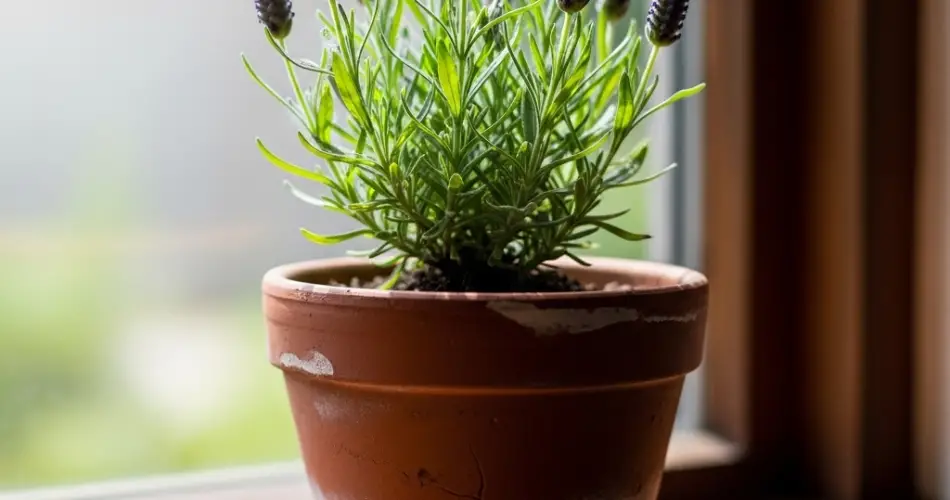
Lavender is one of the most beloved herbs in home gardening, admired for its fragrant flowers, calming aroma, and versatility in both culinary and decorative uses. Growing lavender in pots allows anyone, whether in a city apartment or a suburban home, to enjoy this Mediterranean treasure. While it’s often thought of as a challenging plant, with the right approach you can grow lavender from seed all the way to full bloom, filling your home or balcony with its soothing scent.
This guide covers everything you need to know about potting lavender, from starting seeds to maintaining healthy plants that flower beautifully.
Starting Lavender from Seed
Growing lavender from seed requires patience, as germination can be slow and uneven. Lavender seeds often benefit from a process called stratification, which mimics natural winter conditions. To do this, place seeds in a damp paper towel, seal them in a plastic bag, and refrigerate for two to three weeks before planting.
Once prepared, sow seeds in a well-draining seed-starting mix. Sprinkle them lightly on the surface and press down gently without covering them completely, as they need light to germinate. Place the seed trays in a warm, sunny location or under grow lights, keeping the soil lightly moist but never waterlogged. Germination may take up to four weeks, so patience is key.
If you prefer a quicker start, consider purchasing young lavender seedlings from a nursery, which will establish more easily in pots.
Choosing the Right Pot
The container you choose has a direct effect on lavender’s health. Terracotta pots are ideal because they allow excess moisture to evaporate, preventing the root problems lavender is prone to. Ensure that the pot has plenty of drainage holes, as lavender cannot tolerate standing water.
Select a pot that is only slightly larger than the root ball. Oversized pots hold more soil and, therefore, more water, increasing the risk of overwatering. As lavender grows, you can repot into larger containers to accommodate its expanding roots.
Soil for Healthy Roots and Blooms
Lavender thrives in poor to moderately fertile soils with excellent drainage. Standard potting soil should be amended with sand, gravel, or perlite to create the free-draining environment lavender loves. A slightly alkaline pH, around 6.5 to 7.5, is ideal.
Avoid heavy, moisture-retentive soils, which suffocate roots and cause fungal issues. A simple blend of two parts potting soil, one part sand, and one part perlite works well for container lavender.
Light: Lavender’s Essential Ingredient
Lavender is a sun-loving herb. For healthy growth and abundant flowers, provide at least 6 to 8 hours of direct sunlight daily. Outdoors, this means placing pots on sunny patios, balconies, or windowsills. Indoors, south-facing windows are best, though supplemental grow lights may be necessary in dimmer environments. Without sufficient light, lavender will become leggy and flower less frequently.
Watering: Striking the Right Balance
Overwatering is one of the most common mistakes when growing lavender in pots. Unlike many herbs, lavender prefers dry conditions. Allow the soil to dry out between waterings, then water thoroughly, ensuring excess drains away. In hot weather, lavender may need watering once or twice a week, but always check the soil first.
During winter dormancy, water sparingly, just enough to prevent the soil from becoming bone-dry.
Feeding for Flowers
Lavender does not require heavy fertilization, but a light feeding can encourage steady growth and more blooms. Use a balanced, slow-release fertilizer in spring when new growth appears. During the blooming season, a fertilizer with slightly higher potassium content supports flower production.
Avoid nitrogen-heavy fertilizers, which promote lush foliage but fewer flowers.
Pruning and Maintenance
Pruning is essential to keep potted lavender compact and productive. After the first flush of flowers fades, trim back the spent blooms to encourage a second round. In early spring, before new growth starts, cut back about one-third of the plant, shaping it into a neat mound. This prevents the plant from becoming woody and helps promote fresh, vigorous shoots.
Regular deadheading throughout the season also extends flowering.
Harvesting Lavender
One of the joys of growing lavender is harvesting its fragrant blooms. Cut flower stems just as the buds begin to open for the strongest scent and best color retention. Use sharp scissors or garden snips, cutting in the morning after the dew has dried.
The harvested flowers can be used fresh in cooking, teas, or arrangements, or dried for sachets, wreaths, and crafts. Hang small bundles upside down in a cool, dry place until fully dry.
Common Challenges
Even with attentive care, potted lavender may face challenges. Root rot is the most common issue, usually due to poor drainage or overwatering. To prevent this, always check soil moisture before watering. Yellowing leaves may indicate too much water, while stunted growth often signals insufficient sunlight.
Lavender is generally pest-resistant, though spider mites and aphids may occasionally appear. These can be managed with a strong spray of water or natural insecticidal soap.
Conclusion
From seed to scent, growing lavender in pots is a rewarding process that combines patience with care. By starting with the right soil, pot, and growing conditions, you can enjoy healthy plants that reward you with waves of aromatic blooms. Whether decorating a patio, enhancing a kitchen windowsill, or filling your home with fragrance, potted lavender offers beauty, practicality, and a touch of Mediterranean charm. With this guide, you’ll be well-equipped to nurture lavender from its earliest days as a seed to a flourishing, fragrant companion in your garden.


