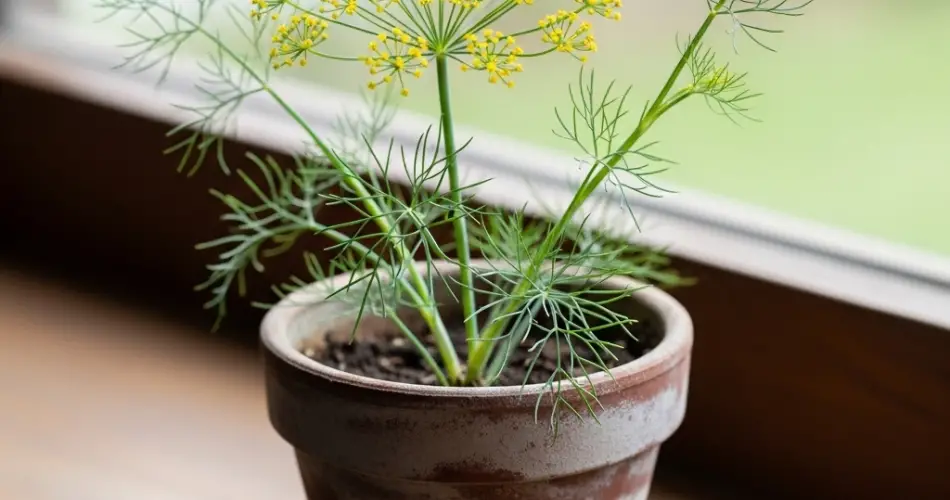
Dill is a fragrant, feathery herb often associated with pickling cucumbers, but its uses extend far beyond jars of homemade pickles. Its delicate leaves add a fresh, slightly tangy flavor to salads, fish dishes, and sauces, while its seeds serve as a spice in breads and soups. Traditionally grown in open garden beds, dill also adapts well to container gardening, making it a wonderful option for those with limited outdoor space. Whether you live in an apartment with only a balcony or have just a corner of your patio to dedicate to plants, dill can thrive in compact spaces with the right care.
This guide explores how to grow dill in small pots, what it needs to flourish, and how to enjoy a steady harvest without the need for a large garden.
Choosing the Right Container
For compact gardening, selecting the right pot is the first step. Dill has a long taproot, which means it prefers deeper containers over shallow ones. A pot at least 12 inches deep and 8 to 10 inches wide is ideal. If you want multiple plants, consider using a wide planter box or grow several individual pots. Make sure the container has drainage holes to prevent waterlogging, as dill dislikes overly wet soil.
Terracotta pots are a good choice since they allow excess moisture to evaporate. For those who want a lightweight option, fabric grow bags also work well, providing good aeration and drainage.
Soil Preparation
Dill grows best in light, well-draining soil that mimics its natural environment. A mix of standard potting soil combined with a little sand or perlite works well. This ensures that the soil stays airy and doesn’t compact, allowing the taproot to grow freely.
Dill prefers a slightly acidic to neutral pH, between 6.0 and 7.5. Adding a small amount of compost can improve fertility, but avoid over-enriching the soil. Dill grown in overly fertile soil may become tall and leggy, which makes it more prone to tipping over in small pots.
Light Requirements
Like most herbs, dill is a sun lover. It requires at least 6 hours of direct sunlight daily to grow strong and healthy. For urban gardeners, placing pots on a sunny balcony, windowsill, or rooftop is perfect. If you are growing dill indoors, place it near a south-facing window or supplement with grow lights to ensure steady growth.
Without enough sunlight, dill tends to become weak and stretched out, producing fewer leaves. Keeping the plant in full sun ensures a compact, bushy form with plenty of flavorful foliage.
Watering and Moisture
While dill prefers well-drained soil, it still needs consistent watering, especially when grown in containers. Pots tend to dry out more quickly than garden beds, so check the soil often. Water thoroughly when the top inch of soil feels dry, making sure excess water drains away.
Avoid frequent light watering, as this encourages shallow root growth. Deep watering encourages the taproot to extend downward, which helps the plant remain more stable and drought-tolerant.
Growing Dill from Seed
Dill does not transplant well because of its taproot, so it is best started from seed directly in the container where it will grow. Sow seeds about ¼ inch deep and cover them lightly with soil. Keep the soil moist until the seedlings emerge, which usually takes 7 to 14 days.
For a continuous harvest, sow seeds every two to three weeks. This staggered planting ensures you always have fresh dill leaves available and prevents the plant from going to seed all at once.
Fertilizing for Growth
Dill is not a heavy feeder, but a little nutrition can support healthy growth. Use a balanced, water-soluble fertilizer once a month during the growing season. Be careful not to overfeed, as too much nitrogen encourages rapid growth with less flavor in the leaves.
Organic alternatives like diluted fish emulsion or compost tea also work well for container-grown dill.
Pruning and Harvesting
Pruning dill properly helps extend its productivity. Begin harvesting once the plant has at least four to five sets of true leaves. Snip the feathery leaves with clean scissors, taking only what you need. Harvesting regularly encourages the plant to produce more foliage and delays flowering.
If dill begins to form flower buds, pinch them off to prolong the leafy stage. However, if you want dill seeds for cooking or future planting, allow some of the flowers to mature and set seed.
Companion Planting in Small Spaces
Even in compact gardens, companion planting can maximize space. Dill pairs well with herbs like parsley, chives, and basil in container arrangements. Just be sure not to crowd the plants, as dill can become stressed if airflow is limited.
Interestingly, dill also attracts beneficial insects like ladybugs and parasitic wasps, which help control pests. Even in a small-space garden, this makes it a valuable addition.
Common Problems
Dill is relatively low-maintenance, but it can face challenges in pots. Aphids sometimes appear, but they can be managed with a spray of water or insecticidal soap. Mildew may occur if plants are overcrowded or receive poor air circulation, so give them space and avoid overhead watering.
Tall dill plants can become top-heavy and fall over, especially in windy balconies or patios. To prevent this, either grow dwarf varieties like ‘Fernleaf Dill’ or use small stakes to support taller plants.
Conclusion
Dill proves that you don’t need a large garden to enjoy fresh, flavorful herbs. With the right container, soil, and sunlight, this aromatic plant adapts beautifully to small spaces, providing both culinary and aesthetic benefits. Its feathery green leaves not only enhance your cooking but also bring texture and fragrance to your compact garden. By sowing seeds directly in pots, watering carefully, and harvesting regularly, you can enjoy a steady supply of dill throughout the growing season.
Even in the smallest of balconies or kitchens, dill offers big rewards in taste, aroma, and versatility. Compact gardening with dill is a simple way to transform limited space into a thriving, flavorful herb garden.


