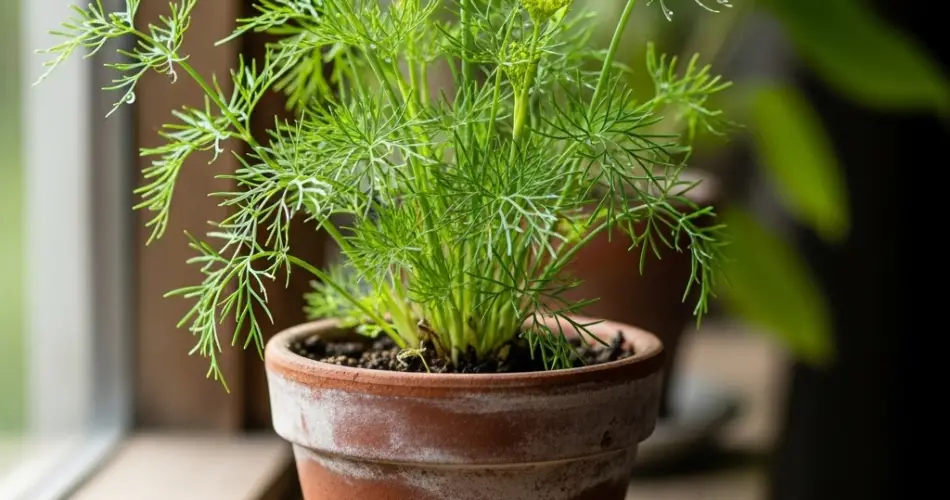
Dill is an aromatic herb that adds both freshness and flavor to many dishes. Known for its feathery green leaves and delicate taste, it’s a favorite in kitchens around the world. The good news is that you don’t need a garden bed to grow dill successfully. With the right approach, you can grow it from seed to harvest in a pot, making it an excellent choice for balconies, patios, or sunny windowsills.
Growing dill in containers is not only practical but also rewarding. You’ll enjoy easy access to fresh herbs, save space, and add greenery to your living area. Let’s explore the steps and best practices for successfully growing dill in a pot—from sowing the first seeds to enjoying your harvest.
Choosing the Right Pot
Since dill develops a deep taproot, selecting an appropriate container is essential. A pot that is at least 12 inches deep will give the plant enough room to anchor itself and grow strong. A wider pot is even better if you want to grow multiple dill plants together.
Ensure your pot has good drainage holes at the bottom. Dill dislikes soggy soil, and standing water can lead to root rot. To prevent this, place a layer of small stones or broken pottery pieces at the bottom before adding soil.
Preparing the Soil
Dill thrives in well-draining, slightly acidic to neutral soil. A high-quality potting mix works well, especially one enriched with organic matter. For extra drainage, mix in sand or perlite. The goal is to keep the soil light and airy so that the taproot can grow without resistance.
Unlike heavy feeders like tomatoes, dill doesn’t require nutrient-dense soil. A moderately fertile mix is ideal, as overly rich soil can cause the plants to grow quickly but with less concentrated flavor.
Sowing the Seeds
One of the best ways to grow dill in a pot is by sowing seeds directly into the container. Dill doesn’t transplant well, so starting it in the final growing location prevents root disturbance.
Scatter the seeds evenly across the soil surface and cover them lightly with about a quarter-inch of soil. Water gently to avoid washing the seeds away. Within 7 to 10 days, the seeds usually sprout, showing tiny green shoots.
When the seedlings reach a few inches tall, thin them to about 8 to 10 inches apart. This spacing allows each plant enough room to mature without overcrowding.
Light and Water Requirements
Dill is a sun-loving herb. Place your pot in a location where it can receive at least 6 to 8 hours of direct sunlight daily. On balconies or patios, position it in full sun. If growing indoors, a south-facing window or supplemental grow lights will keep the plants healthy and robust.
Watering is another key factor. Dill prefers evenly moist soil but doesn’t tolerate waterlogging. Check the soil regularly, and water when the top inch feels dry. Ensure excess water can drain freely to prevent root damage.
Caring for Your Dill Plant
Dill is a low-maintenance herb, but a few simple practices will keep it thriving. Fertilizing is optional, though a diluted liquid fertilizer once every 4 to 6 weeks can encourage steady growth. Avoid over-fertilization, as it can lead to excessive foliage that is less flavorful.
To promote bushier plants, harvest leaves regularly. This not only provides you with fresh dill but also prevents the plant from bolting too early. If flower buds start forming and you want more leaves, pinch them off. On the other hand, if you’d like to collect dill seeds, allow some flower heads to bloom and mature.
Harvesting Dill Leaves and Seeds
You can start harvesting dill leaves once the plant reaches about 8 inches tall. Cut leaves from the outer stems, leaving the inner growth to continue developing. Fresh dill has the best flavor, but it can also be stored by drying or freezing.
For seeds, wait until the flower heads turn brown and dry. Cut them and place them upside down in a paper bag to collect the seeds. These seeds can be used for cooking, pickling, or replanting in future seasons.
Common Challenges
While dill is relatively easy to grow, there are a few issues to watch out for. Aphids and caterpillars may occasionally appear, but they can usually be controlled by rinsing with water or using natural remedies. Bolting is another common challenge, especially in hot weather. To manage this, plant successive batches of dill seeds every few weeks so you have a continuous supply of fresh leaves.
Final Thoughts
Growing dill in a pot is a simple and satisfying way to enjoy this aromatic herb. With the right pot, well-draining soil, plenty of sunlight, and consistent care, you can grow dill successfully from seed to harvest in even the smallest spaces.
Whether you’re snipping fresh leaves for soups and salads or collecting seeds for pickling, dill rewards you with both flavor and fragrance. A single pot of dill can bring the freshness of the garden into your kitchen and the beauty of delicate greenery to your balcony or windowsill.


