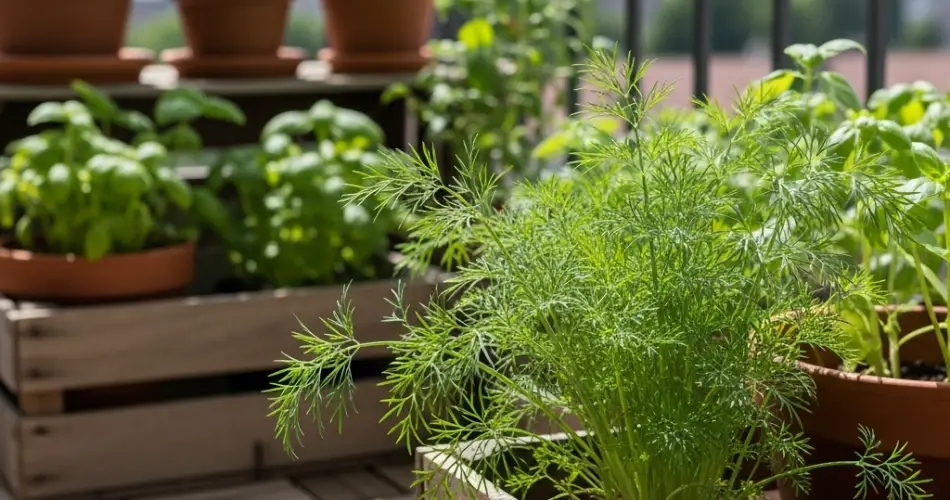
Dill is one of the most versatile and flavorful herbs you can grow at home. Its feathery leaves and distinct aroma make it a popular choice for pickles, seafood dishes, salads, and sauces. The best part? You don’t need a large backyard or complicated setup to grow it. With just a few rustic wooden crates, you can create a charming and productive dill garden right on your balcony, patio, or porch.
This method of gardening combines practicality with aesthetics. Wooden crates not only provide a functional space for growing herbs but also add a rustic, decorative touch to your outdoor area. Plus, dill’s tall and delicate growth habit makes it an attractive feature plant that’s easy to care for.
Why Choose Crate Gardening for Dill?
Dill grows quickly and adapts well to container gardening, making it ideal for small urban spaces. Crate gardening offers several benefits:
-
Portability: You can move your dill crates to follow the sunlight or shelter them from harsh weather.
-
Custom Drainage: You have complete control over the soil mix and drainage system.
-
Space Efficiency: Crates fit neatly along balcony railings, windowsills, or small garden corners.
If you have limited space, this approach ensures you can still enjoy fresh herbs without the need for a traditional garden bed.
Selecting the Right Crates
The crate is the foundation of this gardening method, so choose wisely.
Depth
Dill develops a long taproot, so opt for crates at least 12–15 inches deep. This ensures healthy root development and strong, upright plants.
Material
Use untreated or food-safe wood to avoid harmful chemicals leaching into the soil. Recycled fruit crates, wine boxes, or homemade wooden boxes work well.
Drainage
Drill several holes in the bottom of each crate to allow excess water to escape. Line the inside with burlap or landscape fabric to keep soil from washing out while maintaining breathability.
Preparing the Soil
For healthy dill, focus on creating a light, well-draining growing medium. A good mix would be:
-
2 parts high-quality potting soil
-
1 part compost for nutrients
-
1 part coarse sand or perlite for drainage
This combination ensures your dill won’t suffer from root rot while still getting the nutrition it needs.
Planting Dill in Crates
Start from Seed
Dill does not transplant well due to its taproot, so sow seeds directly in the crate. Plant seeds about ¼ inch deep and 2 inches apart.
Thin Seedlings
Once the seedlings reach about 4 inches tall, thin them so they are spaced 8–10 inches apart. This gives each plant enough room to grow tall and bushy.
Stagger Planting
For a steady harvest, sow new seeds every two to three weeks throughout the growing season.
Sun, Water, and Care
Sunlight
Dill thrives in full sun, needing at least 6–8 hours of direct light daily. Position crates where they will receive the maximum sunlight, or move them as the sun shifts.
Watering
Keep the soil consistently moist but not waterlogged. Deep watering encourages stronger root systems. Always check the soil’s top inch before watering again.
Feeding
Dill is not a heavy feeder. A monthly application of a balanced, slow-release fertilizer or occasional compost tea will keep it healthy.
Supporting Tall Plants
As dill grows, its tall stems can become top-heavy, especially in windy balcony conditions. To prevent bending or breakage:
-
Place crates in a sheltered location.
-
Use bamboo stakes or thin supports to keep stems upright.
-
Group crates together to form a natural windbreak.
Harvesting Fresh Dill
You can start harvesting dill leaves once plants are 8 inches tall. Cut outer stems first, leaving the central growth intact for continued production. For the best flavor, harvest in the morning after dew has evaporated.
If you want dill seeds, allow plants to flower and set seed. Once seed heads turn brown, cut and dry them upside down in a paper bag to collect the seeds.
Ways to Use Dill
Fresh dill brings a bright, aromatic note to many dishes:
-
Sprinkle over grilled fish or roasted vegetables.
-
Add to potato salads, egg dishes, or soups.
-
Mix into yogurt-based dips for a refreshing flavor.
-
Enhance homemade pickles with classic dill taste.
For long-term storage, you can dry dill leaves by hanging small bunches in a warm, airy spot out of direct sunlight. Store in airtight containers to preserve flavor.
Styling Your Crate Garden
Dill’s feathery texture pairs beautifully with other herbs in a crate garden. Combine it with parsley, chives, or basil for a varied, lush display. Arrange crates at different heights for added visual interest and easier access to plants.
You can also decorate the crates with stencils, paint, or labels to match your balcony’s theme. This turns your herb garden into both a productive and decorative feature.
Final Thoughts
Growing dill in rustic wooden crates is a simple yet rewarding project that suits both beginners and experienced gardeners. With a little attention to soil, sunlight, and watering, you can enjoy tall, fragrant dill plants just steps away from your kitchen.
Whether you’re garnishing fresh salads or preparing homemade pickles, having dill at your fingertips brings freshness and flavor to your cooking. Plus, crate gardening adds a charming, rustic touch to any small outdoor space, proving that even in the city, fresh herbs are well within reach.


