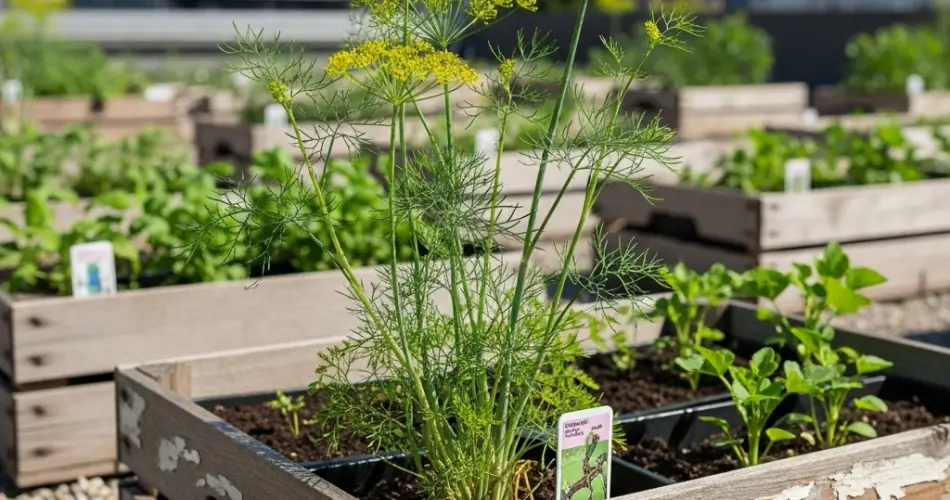
For those living in small apartments or homes with limited outdoor space, growing fresh herbs can seem challenging. However, with a bit of creativity, you can enjoy homegrown herbs like dill without a traditional garden. Crate gardening is an excellent solution for compact living spaces, allowing you to cultivate aromatic, flavorful dill right on your balcony, patio, or even near a sunny window. This method not only saves space but also adds a rustic charm to your home décor.
Why Dill Works Well in Crate Gardens
Dill is a versatile herb with feathery leaves and a fresh, slightly tangy flavor. It’s used in salads, pickles, sauces, and fish dishes, making it a must-have in any herb garden. Dill grows quickly, doesn’t require much maintenance, and thrives in containers—making it an ideal choice for crate gardening.
Crates are especially useful because they provide:
-
Good drainage to prevent waterlogging.
-
Portability so you can move the plant to the sunniest spot.
-
Customizable size to fit available space.
Choosing the Right Crate
Select a sturdy wooden crate made from untreated, rot-resistant wood like cedar, pine, or redwood. Avoid crates treated with chemicals, as these can harm your plants.
Steps to prepare your crate:
-
Clean the crate – Remove dust, dirt, or residue from previous use.
-
Add drainage holes – Drill several small holes at the bottom to allow excess water to escape.
-
Line the crate – Use landscape fabric or burlap to keep soil contained while still allowing water drainage.
-
Optional protection – Apply a food-safe, water-resistant sealant to extend the life of the crate.
Soil and Planting Requirements
Dill prefers well-drained, slightly acidic to neutral soil. A good crate mix includes:
-
2 parts high-quality potting mix
-
1 part compost for nutrients
-
1 part sand or perlite to improve drainage
Planting options:
-
From seeds – Sow seeds directly in the crate about 0.5 cm deep. Thin seedlings to 15–20 cm apart once they sprout.
-
From seedlings – Transplant gently, keeping the root ball intact, and plant at the same depth as in the nursery container.
For continuous harvest, sow a few seeds every 2–3 weeks to ensure a steady supply of fresh dill.
Sunlight and Watering Needs
Dill loves sunlight and requires at least 6 hours of direct sun daily. On a balcony, place the crate where it gets the most exposure, such as along a south-facing railing. Indoors, a sunny windowsill or supplemental grow lights will keep the plant thriving.
Water deeply when the top 2–3 cm of soil feels dry. Avoid overwatering, as soggy conditions can lead to root rot. Crates dry out more quickly than ground soil, so monitor moisture regularly, especially in hot weather.
Feeding and Maintenance
Dill grows best with minimal fertilization. Too much nitrogen will encourage leaf production but can reduce flavor intensity. A light feeding with a balanced liquid fertilizer every 4–6 weeks during the growing season is enough to keep plants healthy.
Pinching off flower heads when they appear will extend leaf production, as dill tends to bolt (flower) quickly in warm weather. However, if you want to harvest seeds, allow a few plants to flower and set seed.
Harvesting Dill
You can begin harvesting when the plant reaches about 20 cm in height. Use clean scissors to snip leaves as needed, taking care not to remove more than one-third of the plant at a time. This allows the dill to keep growing.
For seeds, wait until the seed heads turn brown and dry. Cut the stalks and place them upside down in a paper bag to collect seeds, which can be stored for cooking or planting next season.
Seasonal Care and Regrowth
Dill is an annual herb, meaning it completes its life cycle in one season. By succession planting every few weeks, you can enjoy fresh dill for months. If growing indoors, you can extend the season even further by maintaining warm temperatures and consistent light.
At the end of the growing season, compost the spent plants and refresh the crate soil before replanting.
Advantages of Crate-Grown Dill
Crate gardening offers flexibility for small-space dwellers. You can place crates on balconies, stack them for vertical gardens, or position them near kitchen windows for quick access while cooking. The portability of crates makes it easy to protect your dill from harsh weather, pests, or insufficient light.
By using crate gardening techniques, you can transform even the smallest corner into a thriving mini herb garden. Dill, with its aromatic leaves and culinary versatility, will reward you with fresh flavor all year round—proving that you don’t need a sprawling backyard to enjoy homegrown herbs.


