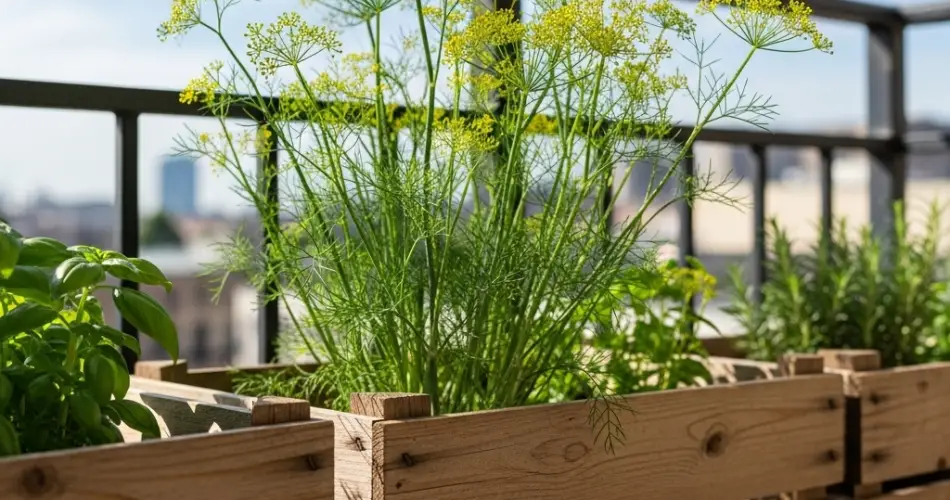
For apartment dwellers, small homeowners, or anyone working with limited gardening space, crate gardening offers a simple and effective way to grow flavorful herbs. Dill, with its delicate leaves and fresh, tangy aroma, is an ideal candidate for this method. Not only does it thrive in confined spaces, but it also grows quickly, making it a satisfying herb for beginners and experienced gardeners alike. By using a sturdy crate and following proper planting and care practices, you can enjoy a continuous harvest of bushy, healthy dill right from your balcony, patio, or sunny indoor spot.
Why Dill Thrives in Crates
Dill’s shallow root system and fast growth make it perfect for container gardening. When grown in crates, dill benefits from:
-
Excellent drainage to prevent root rot.
-
Portability, so you can move the plant to chase the sun.
-
Customizable growing space to fit your balcony or windowsill.
Because dill prefers full sunlight and well-aerated soil, crates provide the perfect environment for it to develop lush foliage.
Choosing and Preparing the Crate
Select a crate that is at least 25–30 cm deep to allow room for root growth. Wooden crates made from untreated cedar, pine, or redwood are ideal. Avoid treated wood, as chemicals can leach into the soil.
To prepare your crate:
-
Clean thoroughly – Remove dust, dirt, or residue from prior use.
-
Drill drainage holes – Ensure water can escape easily to prevent soggy soil.
-
Line with fabric – Use burlap or landscape fabric to keep soil from spilling out while allowing excess moisture to drain.
-
Add a waterproof base layer – If placing indoors, put a tray beneath the crate to protect surfaces from water damage.
Soil and Planting Requirements
Dill prefers loose, well-draining soil with a pH between 5.5 and 6.5. A good crate mix consists of:
-
2 parts high-quality potting soil
-
1 part compost for natural nutrients
-
1 part sand or perlite for improved drainage
Planting options:
-
Direct seeding – Sow seeds 0.5 cm deep, leaving 15–20 cm between plants. Thin seedlings once they sprout to prevent overcrowding.
-
Transplanting – Move young seedlings into the crate, keeping their root balls intact and planting them at the same depth they were in their nursery pots.
For a steady harvest, sow new seeds every two to three weeks during the growing season.
Sunlight and Watering Tips
Dill thrives in full sun, needing at least 6 hours of direct sunlight daily. On a balcony, place the crate along a bright railing or near a south-facing wall. Indoors, position it beside a sunny window or use a grow light if natural light is insufficient.
Water deeply whenever the top 2–3 cm of soil feels dry. Crate gardens can dry out faster than in-ground gardens, so monitor moisture regularly, especially in warm weather. Avoid overwatering, as this can lead to root rot and fungal issues.
Encouraging a Bushy Dill Plant
Dill naturally tends to grow tall and may bolt (produce flowers) quickly in warm conditions. To encourage bushier growth:
-
Pinch off the top growth when plants are about 15–20 cm tall.
-
Harvest regularly, removing outer stems and leaves to stimulate new shoots.
-
Remove flower buds unless you want to collect seeds. Flowering signals the plant to stop producing new leaves.
By keeping the plant in its vegetative stage longer, you’ll get more foliage for cooking and seasoning.
Feeding and Ongoing Care
Dill does not require heavy feeding. Too much fertilizer, especially nitrogen-rich ones, can lead to rapid growth with weak stems and reduced flavor. Apply a balanced liquid fertilizer every 4–6 weeks to keep the plants healthy without sacrificing taste.
Check the plants regularly for pests such as aphids and caterpillars. If you notice any, gently rinse them off with water or use an organic insecticidal soap.
Harvesting Dill
You can begin harvesting leaves once the plant reaches about 20 cm tall. Use clean scissors to cut stems just above a leaf node, which encourages regrowth. Never remove more than one-third of the plant at a time to avoid stressing it.
For dill seeds, allow flower heads to mature and turn brown. Cut the stalks and hang them upside down inside a paper bag to collect the seeds. These can be used in pickling or replanted in the next growing cycle.
Seasonal Care and Replanting
Dill is an annual, so it completes its life cycle in one growing season. By succession planting every few weeks, you can enjoy fresh dill over an extended period. At the end of the season, compost the old plants and refresh the crate’s soil before starting again.
Final Thoughts
Crate gardening offers an attractive and space-efficient way to grow herbs like dill, even in the smallest of homes. By giving your dill plenty of sunlight, well-draining soil, and regular pruning, you can encourage lush, bushy growth that keeps your kitchen stocked with fresh herbs. With just a crate and a little care, you can transform a balcony corner or sunny window into a thriving mini garden, proving that fresh flavor is always within reach—no large backyard required.


