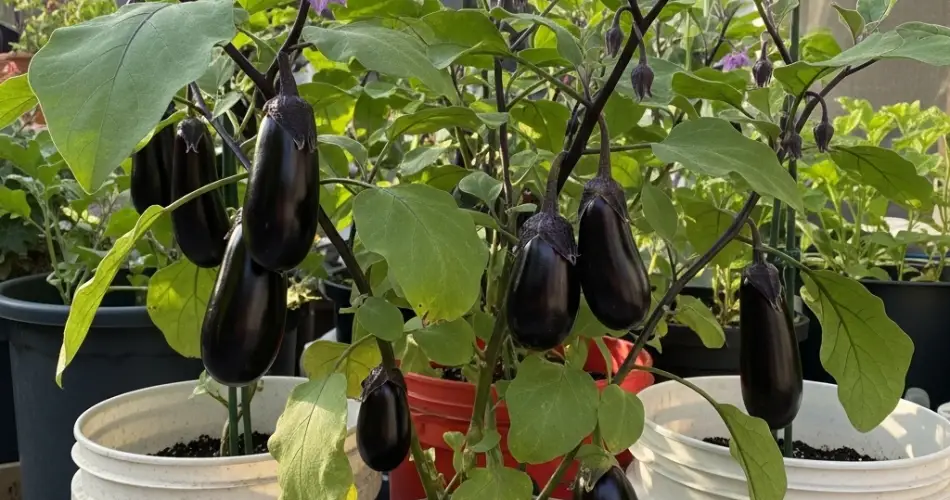
Growing your own vegetables doesn’t require a large garden. With just a few buckets, you can cultivate delicious and nutritious eggplants right on your patio, balcony, or doorstep. Eggplants, also known as aubergines, are versatile in the kitchen and surprisingly easy to grow in containers—making them an ideal choice for urban gardeners or those with limited space.
This article will guide you through everything you need to know to enjoy a bountiful eggplant harvest from buckets.
Why Grow Eggplants in Buckets?
There are many benefits to growing eggplants in buckets:
-
Space Efficiency: Buckets make it easy to grow vegetables in small spaces like balconies or patios.
-
Mobility: You can move buckets to chase the sun or avoid bad weather.
-
Soil Control: Containers let you control the soil quality, drainage, and nutrients, which is essential for healthy eggplants.
-
Pest and Disease Management: Growing in buckets reduces exposure to soil-borne pests and diseases common in ground gardens.
With a little care, even a single plant can reward you with multiple glossy, flavorful fruits throughout the season.
Choosing the Right Eggplant Variety
There are many eggplant varieties, and some are better suited to container growing than others. Compact or dwarf types are ideal for buckets because of their smaller root systems.
Here are a few great options for container gardeners:
-
‘Fairy Tale’: A small, striped variety with tender flesh and minimal seeds.
-
‘Little Finger’: Slender, deep-purple fruits that grow in clusters.
-
‘Patio Baby’: Specifically bred for containers—compact and productive.
-
‘Black Beauty’: A classic, larger variety that can also do well in a bucket with proper support.
Choose varieties that match your climate and cooking preferences.
Materials You’ll Need
To grow eggplants in buckets, you’ll need:
-
A 5-gallon bucket or similar-sized container (with drainage holes)
-
High-quality potting mix
-
Organic compost or slow-release fertilizer
-
Eggplant seedlings or seeds
-
Watering can or hose
-
Tomato cage or stake for support
-
Mulch (optional)
How to Plant Eggplants in Buckets
Step 1: Prepare the Bucket
Drill several small holes in the bottom of the bucket to allow excess water to drain. Good drainage is key to preventing root rot.
Step 2: Fill with Soil
Fill the bucket with a mix of potting soil and compost. Eggplants need rich, well-draining soil. You can also mix in a slow-release organic fertilizer at this stage.
Step 3: Plant Your Eggplant
If using seedlings, plant one per bucket. Eggplants need space to grow, so resist the urge to overcrowd. If starting from seed, sow 2–3 seeds and thin to the strongest plant once they sprout.
Step 4: Water Thoroughly
After planting, water the soil well to help the roots settle in. Keep the soil moist but not soggy.
Caring for Your Eggplant
Sunlight
Eggplants love the sun! Ensure your buckets are placed in a location that receives at least 6–8 hours of direct sunlight each day. Without enough sun, plants will be leggy and unproductive.
Watering
Consistent watering is essential. Buckets can dry out quickly, especially in hot weather. Water when the top inch of soil feels dry. Avoid overhead watering to reduce the risk of fungal disease.
Fertilizing
Feed your eggplants with a balanced liquid fertilizer every 2–3 weeks, especially once they begin to flower. Phosphorus and potassium help with fruit production, so choose a fertilizer that supports blooming and fruiting.
Staking
As eggplants grow, they become top-heavy with fruit. Use a tomato cage or stake to support the plant and prevent it from tipping over.
Mulching
Add a layer of mulch (like straw or shredded leaves) on top of the soil to retain moisture and reduce temperature fluctuations in the bucket.
Pollination Tips
Eggplants are self-pollinating, but a little help can increase your yield. Gently shake the plant or use a small brush to move pollen between flowers. This is especially helpful if your garden lacks natural pollinators.
Harvesting Your Eggplants
Eggplants are ready to harvest when their skin is glossy and firm. Don’t wait too long—overripe eggplants become bitter and spongy. Use a sharp knife or pruning shears to cut the fruit, leaving a short stem attached.
Most eggplant varieties begin producing fruit 70–90 days after planting.
Continuous Harvest and Maintenance
Regular harvesting encourages the plant to produce more fruit. Remove any damaged or overripe eggplants to keep the plant healthy and productive. With proper care, a single plant can yield dozens of fruits over the season.
Enjoying the Fruits of Your Labor
Eggplants are incredibly versatile in the kitchen. Use them in dishes like:
-
Grilled eggplant slices
-
Eggplant Parmesan
-
Ratatouille
-
Curries and stews
-
Baba ganoush
Freshly harvested eggplants taste far better than store-bought ones, and growing them yourself adds to the satisfaction.
Final Thoughts
Bucket gardening offers a simple and rewarding way to grow eggplants, even if you have limited space. With sunlight, water, and a bit of care, your buckets will soon be bursting with shiny purple fruits ready to be turned into delicious meals. Whether you’re a first-time gardener or a seasoned pro, eggplants are a fantastic addition to your container garden—and the harvests are sure to impress.


