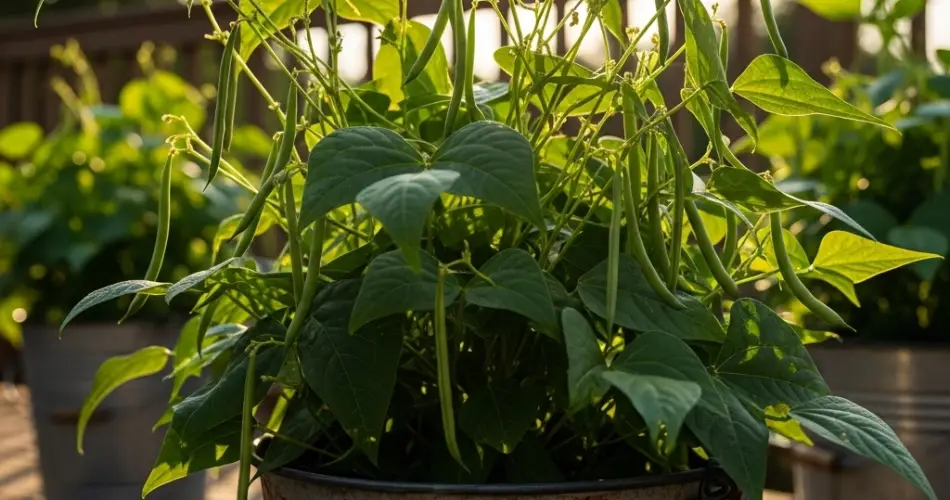
Green beans are among the easiest and most rewarding vegetables to grow, making them a favorite choice for both novice and seasoned gardeners. Their crisp texture, fresh taste, and versatility in the kitchen make them a staple in many households. Best of all, green beans can be successfully grown in containers, which means you don’t need a large garden to enjoy a bountiful harvest. Whether you live in an apartment with a small balcony or have limited backyard space, container-grown green beans provide a practical and enjoyable way to grow your own fresh produce. This beginner’s guide walks you through everything you need to know to start growing green beans in containers.
Why Grow Green Beans in Containers?
Green beans are a great choice for container gardening because they are compact, quick to mature, and highly productive. Growing them in buckets or pots allows you to control the soil quality, reduce weed problems, and easily move plants to the sunniest spot. Containers also make it easier to protect beans from pests and to manage watering. For beginners, this method simplifies gardening while still delivering excellent results.
Choosing the Right Green Bean Variety
Green beans come in two main types: bush beans and pole beans.
-
Bush Beans: These are compact, self-supporting plants that grow about 1–2 feet tall. They mature quickly, usually within 50–60 days, and are perfect for small containers. Because they do not require staking or trellising, they are ideal for beginners who want a low-maintenance option.
-
Pole Beans: These varieties grow as climbing vines and require support such as stakes, trellises, or cages. While they take slightly longer to mature (60–70 days), they produce a larger, continuous harvest throughout the season. Pole beans are perfect for gardeners who want maximum yields from limited space.
For container gardening, bush beans are often recommended for beginners, but pole beans can also thrive in buckets with proper support.
Selecting Containers and Soil
Green beans need containers with enough depth for their roots to grow. A pot or bucket at least 12 inches deep and 12 inches wide is ideal for bush beans, while larger containers are better for pole beans since they need space and stability for climbing structures. Always ensure containers have drainage holes to prevent waterlogging.
The soil should be loose, well-draining, and nutrient-rich. A good mix includes potting soil blended with compost and a small amount of perlite or sand to improve aeration. Beans don’t require overly fertile soil but benefit from compost that enriches the mix with organic matter.
Planting Green Beans
Green beans are warm-season crops, so wait until the temperature is consistently above 60°F (15°C) before planting. Sow seeds directly into the container, as beans don’t transplant well. Plant seeds 1 inch deep and about 3 inches apart. In a standard 12-inch container, you can plant 4–6 bush bean seeds, while pole beans should be spaced a little farther apart to allow climbing room.
Water gently after planting, keeping the soil consistently moist until the seeds germinate, which usually takes 7–10 days.
Providing Sunlight
Green beans thrive in full sunlight, requiring at least 6–8 hours of direct sun daily. Place your containers on a balcony, patio, or any sunny location. If you are limited in natural sunlight, supplemental grow lights can help ensure steady growth.
Watering and Feeding
Beans need consistent watering, especially during flowering and pod development. Check the soil regularly, and water whenever the top inch feels dry. Avoid overwatering, as soggy soil can cause root problems. Mulching the top of the soil with straw or shredded leaves helps retain moisture and regulate temperature.
Green beans are light feeders and generally do not need much fertilizer. Too much nitrogen encourages leafy growth at the expense of pods. If you do feed them, choose a balanced fertilizer or compost tea every few weeks during the growing season.
Supporting Pole Beans
If you’re growing pole beans, install supports at the time of planting. Stakes, bamboo poles, or small trellises placed in the bucket allow vines to climb upward. This not only saves space but also improves air circulation and makes harvesting easier.
Managing Pests and Diseases
Container-grown beans face fewer pests than garden-grown ones, but they can still attract aphids, spider mites, and beetles. Check the leaves regularly, and if you spot infestations, treat them with insecticidal soap or neem oil. Good airflow around the plants reduces the risk of fungal diseases. Rotating containers or avoiding planting beans in the same soil season after season also helps prevent issues.
Harvesting Green Beans
One of the best parts of growing green beans is the quick reward. Bush beans are usually ready for harvest within 50–60 days of planting, while pole beans take about 60–70 days. Harvest beans when the pods are firm, crisp, and about 4–6 inches long. Pick them regularly to encourage the plant to keep producing. Avoid waiting too long, as overripe beans become tough and stringy.
Conclusion
Growing green beans in containers is a fun, simple, and productive way to enjoy fresh vegetables at home. With minimal space and effort, you can harvest crisp, flavorful beans that enhance your meals. By choosing the right variety, providing proper care, and harvesting regularly, even beginner gardeners can achieve container gardening success. Whether you prefer the compact nature of bush beans or the abundant yields of pole beans, a few buckets and some sunshine are all you need to get started.


