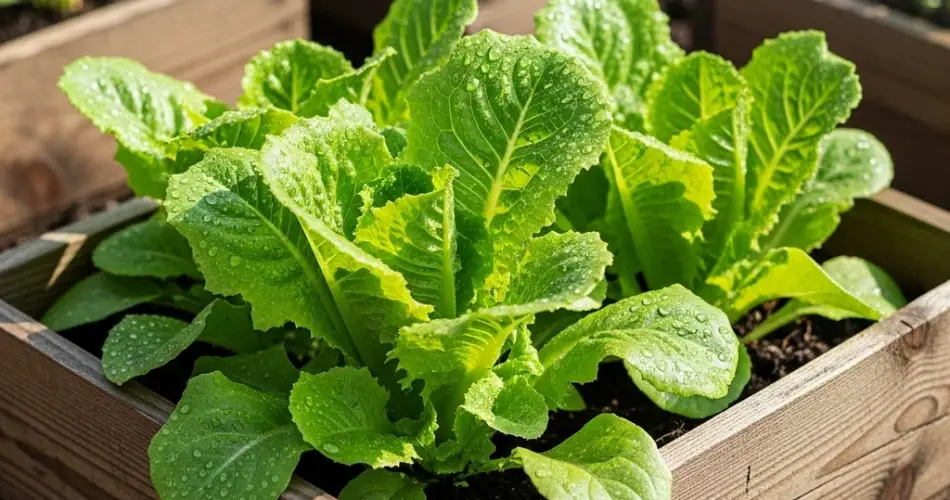
Growing your own lettuce at home is a simple and rewarding way to enjoy fresh, crisp greens. Wooden box gardens are ideal for cultivating lettuce, providing adequate space, drainage, and a rustic aesthetic that enhances any patio, balcony, or backyard. With proper care, these container gardens can produce a steady supply of vibrant, healthy lettuce leaves throughout the growing season.
Choosing the Right Wooden Box
Selecting the appropriate wooden box is essential for successful lettuce cultivation. Lettuce has relatively shallow roots, so a container at least 6–8 inches deep is sufficient. Choose untreated wood, such as cedar, redwood, or pine, which naturally resists rot and avoids harmful chemicals leaching into the soil. Ensure your wooden box has drainage holes at the bottom to prevent waterlogged soil, which can lead to root rot or fungal diseases.
Preparing the Soil
Lettuce thrives in fertile, well-draining soil. A high-quality potting mix enriched with compost or organic fertilizer works best. Mix in a small amount of sand or perlite to improve drainage while maintaining moisture retention. Fill the wooden box with soil, leaving about an inch at the top to prevent overflow during watering. Fertile soil encourages strong growth and tender, flavorful leaves.
Selecting and Planting Lettuce
Lettuce can be grown from seeds or seedlings. For seeds, sow them evenly across the soil surface and cover lightly with a thin layer of soil. Keep the soil consistently moist to encourage germination. Seedlings provide a faster start and can be transplanted carefully into the wooden box, ensuring the roots are fully covered and the plant is stable. Space plants according to the variety, generally 6–12 inches apart, to allow airflow and avoid overcrowding.
Sunlight Requirements
Lettuce grows best in full or partial sunlight. Place your wooden box in a location that receives at least four to six hours of sunlight daily. In hot climates, provide partial shade during the peak afternoon hours to prevent leaves from wilting or developing a bitter taste. Proper light exposure ensures vibrant, crisp leaves and strong plant growth.
Watering and Moisture Management
Consistent moisture is crucial for lettuce, as uneven watering can lead to bolting or bitter leaves. Keep the soil evenly moist but avoid waterlogging. Water early in the morning to allow the foliage to dry before evening, reducing the risk of fungal diseases. Mulching with straw or shredded leaves helps retain soil moisture and maintain a stable temperature for the roots.
Fertilizing and Nutrition
Lettuce benefits from regular feeding to maintain tender leaves. Use a balanced, water-soluble fertilizer every two to three weeks or mix slow-release organic fertilizer into the soil at planting. Additional nutrient boosts can come from compost tea or diluted fish emulsion, providing essential elements for vigorous growth.
Pest and Disease Management
Lettuce is susceptible to pests such as aphids, slugs, and caterpillars. Regularly inspect the leaves and remove pests by hand or treat with mild insecticidal soap if necessary. Prevent fungal infections by ensuring good airflow between plants, watering at the soil level rather than overhead, and avoiding overcrowding. Proper maintenance keeps your lettuce healthy and flavorful.
Harvesting Lettuce
Lettuce can be harvested gradually using the “cut-and-come-again” method, snipping outer leaves while allowing inner leaves to continue growing. This approach provides a continuous supply of fresh greens over several weeks. For head lettuce, wait until the head is firm and well-formed, then cut the entire plant at the base.
Benefits of Wooden Box Gardening
Wooden box gardens offer several advantages for growing lettuce. They are portable, allowing you to move plants to optimize sunlight or protect them from harsh weather. The raised design reduces soil compaction and improves drainage, promoting healthier roots. Additionally, wooden boxes blend seamlessly into rustic or modern garden aesthetics, providing both functionality and visual appeal.
Conclusion
Cultivating crisp, fresh lettuce in wooden box gardens is an easy and rewarding method for home gardeners. With proper soil preparation, sunlight, watering, and care, your lettuce will thrive, offering a steady supply of nutritious greens. Wooden boxes provide a practical and attractive growing environment, making them ideal for patios, balconies, and small gardens. By embracing container gardening, you can enjoy homegrown lettuce year-round while adding charm and greenery to your living space.


