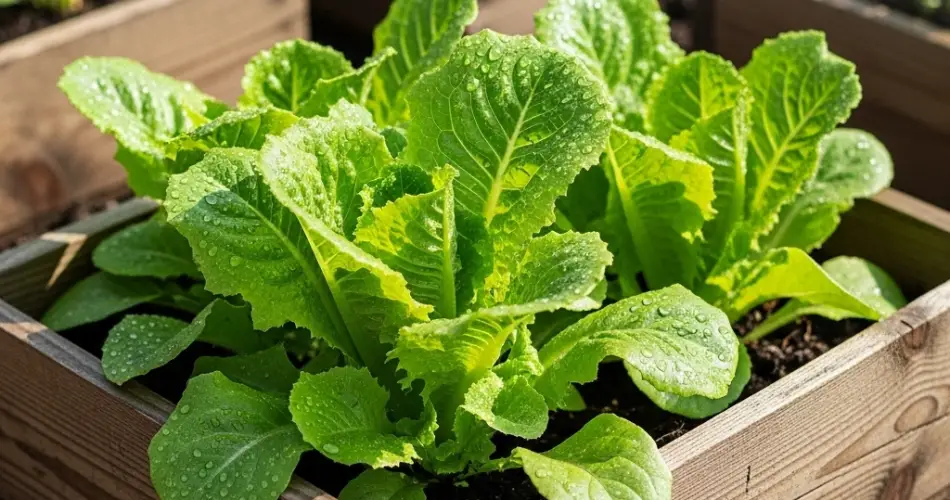
Fresh, crisp lettuce is one of the easiest and most rewarding vegetables you can grow at home. Whether you enjoy it in salads, sandwiches, or wraps, having a supply of homegrown lettuce means you’ll always have a healthy ingredient at hand. The best part is that you don’t need a large backyard to cultivate it. With the help of wooden containers, you can grow lettuce right on your balcony, patio, or even in a small corner of your home.
Wooden boxes are particularly well-suited for lettuce because they provide good insulation for roots, help regulate soil moisture, and can be placed in compact spaces. By following some simple steps, you can enjoy fresh, homegrown lettuce nearly all year long.
Step 1: Choosing the Right Wooden Container
Lettuce has shallow roots, so it doesn’t require very deep soil. This makes it ideal for growing in wooden containers. When selecting or building a container:
-
Depth and width: A box 6–8 inches deep is sufficient. The width depends on how many plants you want, but wider boxes allow for successive rows.
-
Wood type: Choose untreated wood like cedar, pine, or redwood, as treated lumber may leach chemicals into the soil.
-
Drainage: Drill holes in the bottom of the container to allow excess water to escape.
If you prefer a rustic look, you can repurpose old crates or wine boxes with minor modifications.
Step 2: Preparing the Soil
Lettuce thrives in light, fertile soil that retains some moisture but also drains well. For container gardening, a good mix includes:
-
60% high-quality potting soil
-
30% compost for nutrients
-
10% perlite or coarse sand for better drainage
Before planting, work in an organic slow-release fertilizer or mix in worm castings to boost fertility. Lettuce grows quickly, so rich soil ensures tender, flavorful leaves.
Step 3: Choosing the Lettuce Variety
One of the joys of growing lettuce is the variety available. You can choose based on your taste preference and growing conditions:
-
Leaf lettuce: Easy and fast to grow. Harvest leaves as needed.
-
Romaine (Cos): Upright growth, crunchy leaves, ideal for Caesar salads.
-
Butterhead: Soft, tender leaves with a mild flavor.
-
Crisphead (Iceberg): More demanding, but produces tight, crunchy heads.
For beginners, leaf lettuces are the easiest choice since they mature quickly and offer a continual harvest.
Step 4: Planting Seeds or Seedlings
-
From seeds: Scatter seeds evenly across the soil surface and cover lightly with ¼ inch of soil. Keep the soil moist until germination, which usually takes 7–10 days.
-
From seedlings: If you buy young plants, space them 6–8 inches apart to give them room to grow.
Wooden containers allow flexibility in spacing—plant closer for baby greens or farther apart for mature heads.
Step 5: Light and Temperature Requirements
Lettuce prefers cool conditions and partial sun. Place your wooden container in a spot that gets at least 4–6 hours of sunlight daily, preferably morning sun with afternoon shade. In hot climates, too much direct sunlight can cause the lettuce to bolt (produce flowers and turn bitter), so filtered light or a shaded location works best.
Step 6: Watering Properly
Consistent moisture is key to tender, crisp lettuce. Since wooden containers dry out faster than ground soil:
-
Check soil daily and water when the top inch feels dry.
-
Water gently at the base to avoid splashing the leaves.
-
Avoid waterlogging, as soggy soil can cause root rot.
A layer of mulch, such as straw or shredded leaves, helps retain soil moisture.
Step 7: Fertilizing for Healthy Growth
Lettuce is a quick grower and appreciates regular feeding. After seedlings establish, use a liquid organic fertilizer every two weeks. Focus on nitrogen-rich options, such as fish emulsion or compost tea, to encourage lush leaf growth.
Step 8: Harvesting Lettuce
One of the biggest advantages of growing lettuce in containers is the ability to harvest fresh leaves whenever you need them. There are two main methods:
-
Cut-and-come-again method: Snip outer leaves as they mature, leaving the center intact. This allows continual harvest for weeks.
-
Full harvest: When heads are fully formed, cut the whole plant at the base.
Leaf varieties can be harvested in as little as 30 days, while heading types may take up to 60 days.
Step 9: Managing Pests and Problems
Although lettuce is relatively easy to grow, you may encounter some pests:
-
Aphids: Rinse them off with water or use neem oil spray.
-
Slugs and snails: Place copper tape around the container or use crushed eggshells as a barrier.
-
Bolting: In warm weather, lettuce may bolt. Plant in cooler months or choose bolt-resistant varieties for better results.
Step 10: Successive Planting for Continuous Supply
To enjoy a steady supply of fresh lettuce, practice succession planting. Sow new seeds every two to three weeks in the same container or rotate with another box. This ensures you always have young lettuce ready for harvest.
Final Thoughts
Growing lettuce in wooden containers is simple, efficient, and rewarding. The shallow root system, quick growth, and low maintenance requirements make lettuce one of the best vegetables for container gardening. With a little planning and care, you can enjoy a continuous harvest of fresh, crisp lettuce right outside your door.
Wooden containers not only save space but also add a rustic, natural charm to your garden, balcony, or kitchen corner. Whether you’re a beginner gardener or an experienced grower, cultivating lettuce in wooden boxes is a practical way to bring freshness straight from the garden to your plate.


