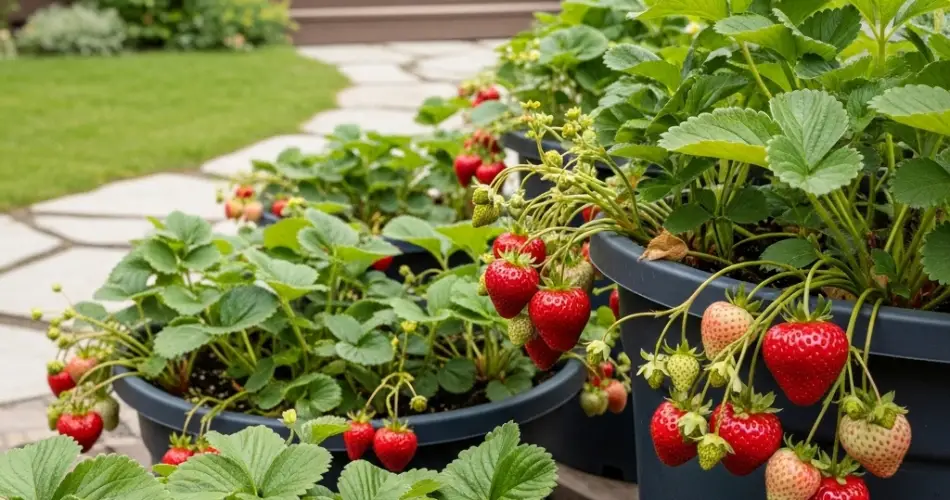
You don’t need a large garden bed or sprawling landscape to enjoy sweet, juicy strawberries. With container gardening, you can grow strawberries right on your balcony, windowsill, patio, or porch. These compact plants are perfect for pots, grow bags, hanging baskets, and even recycled containers, producing delicious berries in just a few square feet of space.
Growing strawberries in containers is easy, practical, and ideal for urban gardeners or anyone with limited space. With the right setup and care, you can enjoy fresh berries all season long—no garden bed required.
Why Choose Container Gardening for Strawberries?
Strawberries have shallow roots, making them particularly well-suited for containers. This method offers several benefits:
-
Space-saving – Perfect for small areas like balconies, terraces, or apartment windows
-
Pest reduction – Elevating the plants helps keep them out of reach from common garden pests like slugs
-
Improved drainage – Containers allow you to control moisture and reduce the risk of root rot
-
Mobility – Move your containers to follow the sun or protect plants from harsh weather
-
Better aesthetics – Decorative pots and baskets can double as ornamental features
Whether you’re planting one pot or creating a full vertical setup, container strawberries are a great way to grow fruit in tight spaces.
Best Strawberry Varieties for Containers
Not all strawberries are created equal, especially when it comes to container gardening. The best types for small spaces include:
-
Day-neutral varieties – Produce fruit throughout the season regardless of day length (e.g., ‘Albion’, ‘Seascape’)
-
Ever-bearing varieties – Provide two or more crops per year (e.g., ‘Ozark Beauty’, ‘Eversweet’)
-
Alpine strawberries – Small, flavorful berries; ideal for window boxes and partial shade
June-bearing varieties are better suited for in-ground beds due to their single large crop and spreading habit.
What You’ll Need
To get started, gather the following materials:
-
Containers (minimum 8–10 inches deep, with drainage holes)
-
High-quality potting mix with compost or organic material
-
Strawberry seedlings or bare-root crowns
-
Organic fertilizer or slow-release granules
-
Mulch (optional)
-
Watering can or hose with a fine spray
Step 1: Choose and Prepare the Container
Strawberries can be grown in a variety of containers, such as:
-
Standard plastic or ceramic pots
-
Window boxes
-
Hanging baskets
-
Grow bags
-
Vertical towers made from recycled bottles or stacked planters
Whatever container you choose, make sure it has proper drainage holes at the bottom. Line hanging baskets with coco coir or moss to retain soil and allow water to drain freely.
Step 2: Use the Right Soil Mix
Strawberries thrive in rich, well-draining soil. A good potting mix should include:
-
Loamy or sandy soil
-
Compost or aged manure
-
Perlite or vermiculite for improved drainage
Avoid heavy garden soil, which can compact in containers and restrict root growth. Fill your containers almost to the top, leaving 1–2 inches of space for watering.
Step 3: Planting the Strawberries
If using seedlings, plant them at the same depth they were in their nursery pots. For bare-root crowns, spread the roots out slightly and position the crown just above soil level—burying it too deep can cause rot.
Space plants about 6–8 inches apart in larger containers. In hanging baskets or vertical setups, one plant per pocket or tier works well.
After planting, water thoroughly to settle the soil around the roots.
Step 4: Positioning and Sunlight
Strawberries love full sun and require at least 6–8 hours of direct sunlight daily. Place your containers in a bright spot—balconies, patios, or windowsills that get morning to midday sun are ideal.
If sunlight is limited, alpine strawberries can tolerate partial shade, though fruit production may be reduced.
Step 5: Watering and Feeding
Keep the soil consistently moist but never soggy. Strawberries in containers tend to dry out faster than those in the ground, so check moisture levels daily, especially in hot weather.
Feed your plants with a diluted organic liquid fertilizer or compost tea every 2–3 weeks during the growing season. For low-maintenance care, mix slow-release fertilizer into the soil at planting time.
Step 6: Maintenance Tips
-
Mulch the top layer with straw or dry leaves to retain moisture and reduce splashing
-
Remove runners unless you want to propagate more plants—runners steal energy from fruit production
-
Prune dead or yellowing leaves regularly to keep the plant healthy
-
Protect from pests like birds and aphids using nets or natural sprays
Step 7: Harvesting
Strawberries are ready to pick when they’re fully red and slightly soft to the touch. Harvest every 2–3 days during peak season to prevent overripe berries from attracting pests.
Use scissors or gently twist the berry off the stem to avoid damaging the plant.
Step 8: Replanting and Season Extension
Container strawberries often perform best in their first 1–2 years. After that, replant with new runners or crowns for better yields.
In cooler regions, you can overwinter your containers by insulating them with straw or moving them to a sheltered spot. In warmer climates, strawberries may continue producing through much of the year.
Final Thoughts
Strawberries don’t need rows of raised beds or expansive gardens to thrive. With the right container, soil, and sunlight, you can enjoy plump, flavorful berries right from your own balcony or patio. This easy and accessible gardening method is perfect for beginners, families, or anyone who wants to enjoy fresh fruit without a lot of space.
So grab a pot, plant some strawberries, and watch your mini berry patch grow!


