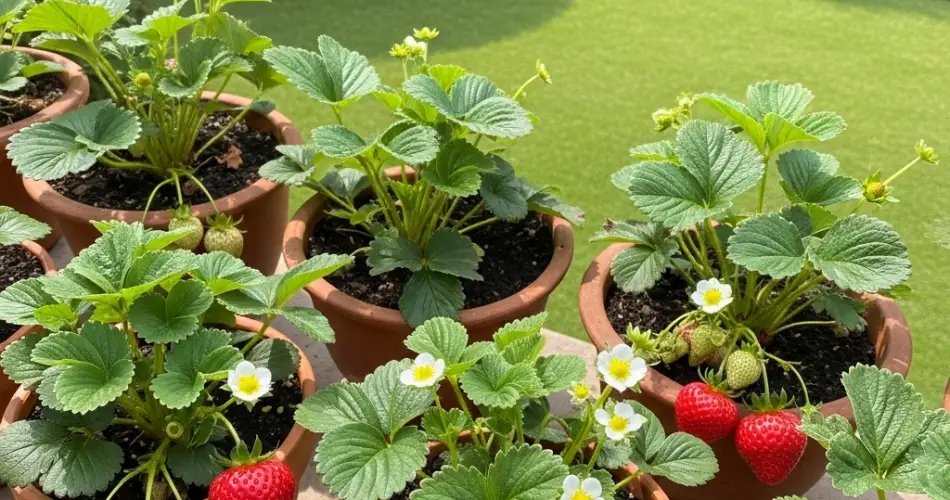
Strawberries are one of the most rewarding fruits to grow at home. They’re delicious, packed with nutrients, and surprisingly easy to cultivate—even if you have limited space. With the right technique and a few small garden pots, you can enjoy a fresh supply of juicy strawberries right from your balcony, patio, or windowsill.
Growing strawberries in containers not only saves space but also gives you greater control over soil quality, drainage, and pest prevention. This makes it a perfect project for beginners, urban gardeners, or anyone who wants to grow their own fruit in a manageable, convenient way.
Why Grow Strawberries in Pots?
Container gardening offers several benefits for strawberries:
-
Space-saving: Ideal for balconies, terraces, or small backyard corners.
-
Portable: You can move the pots to catch more sun or protect them from harsh weather.
-
Cleaner fruit: Berries are lifted off the ground, reducing rot and keeping them clean.
-
Pest control: Growing in pots makes it easier to manage pests and avoid soil-borne diseases.
-
Better soil control: You can customize the soil mix for optimal growth and drainage.
Whether you’re growing everbearing varieties or June-bearing types, strawberries adapt well to pot life when given the right conditions.
Best Strawberry Varieties for Pots
When growing in small containers, compact and productive varieties are the most suitable. Here are a few good choices:
-
Albion: A day-neutral type that produces sweet berries consistently through the season.
-
Seascape: Another everbearing variety ideal for warm climates and containers.
-
Quinault: Great for small spaces and known for producing fruit on both old and new growth.
-
Tristar: Perfect for hanging baskets or small pots due to its compact growth and abundant fruit.
Choose disease-resistant cultivars whenever possible to simplify maintenance and reduce problems.
Materials You’ll Need
To start your strawberry container garden, gather:
-
Small to medium-sized garden pots (15–25 cm in diameter)
-
High-quality potting mix (well-draining and rich in organic matter)
-
Strawberry seedlings or bare-root plants
-
Pebbles or small stones (for the bottom of the pot)
-
Watering can or spray bottle
-
Organic compost or slow-release fertilizer (optional)
-
Mulch or dried leaves (optional for moisture retention)
Preparing the Pots
-
Choose the Right Pot: Strawberries have shallow roots, so a pot with a depth of about 15–20 cm is sufficient. Make sure each pot has proper drainage holes to prevent waterlogging.
-
Add Drainage Layer: Place small stones or pebbles at the bottom to improve drainage and prevent root rot.
-
Fill with Potting Mix: Use a well-draining mix that retains moisture without becoming soggy. Mix in compost or a small amount of slow-release fertilizer to give your plants a nutrient boost.
Planting Strawberries
-
Spacing: If planting multiple plants in one pot, allow about 15–20 cm between each to ensure airflow and root expansion.
-
Planting Depth: Position the strawberry crown (the part between the roots and leaves) at soil level. Burying the crown too deep can cause rot; leaving it too high can dry it out.
-
Watering: After planting, water gently but thoroughly. Keep the soil consistently moist, especially during flowering and fruiting stages, but avoid oversaturating.
Ideal Growing Conditions
-
Sunlight: Strawberries need at least 6–8 hours of full sun each day. Place the pots in the sunniest spot available—on a windowsill, balcony, or porch.
-
Temperature: These plants prefer cooler temperatures between 15°C and 25°C (59°F to 77°F), though they can tolerate a wider range with care.
-
Watering: Water when the top 2–3 cm of soil feels dry. Strawberries in pots can dry out faster than those in the ground, so check daily during hot weather.
-
Feeding: Every 2–3 weeks, apply a diluted liquid fertilizer or compost tea to support fruit development. Avoid over-fertilizing, as this can result in leafy growth at the expense of fruit.
Flowering and Fruiting
Strawberries start producing flowers a few weeks after establishing. Once flowers appear, pollination is needed. Outdoors, insects like bees take care of this naturally. Indoors or in enclosed areas, you can gently shake the plants or use a soft brush to move pollen between flowers.
After pollination, berries will start to form and grow quickly. Keep the pots evenly moist and ensure they get plenty of sunlight to ripen fully.
Harvesting
Strawberries are ready to harvest when they’re fully red, firm, and fragrant. Pick them with the stem attached to prolong freshness. Check your plants daily during the peak fruiting period, as berries ripen quickly.
Frequent harvesting encourages the plant to keep producing, especially with everbearing types.
Maintenance Tips
-
Prune dead leaves and runners regularly to keep the plant healthy and productive.
-
Mulch around the base of the plant to retain moisture and suppress weeds.
-
Rotate pots or refresh the soil after a season to prevent nutrient depletion and disease buildup.
Final Thoughts
Growing strawberries in small garden pots is a fun, practical, and satisfying way to enjoy fresh fruit at home—even with limited space. With just a bit of sunlight, consistent watering, and basic care, you can look forward to harvesting sweet, homegrown strawberries in your very own container garden. It’s a low-effort project with high-reward flavor—and a great step toward more sustainable, home-based food production.


