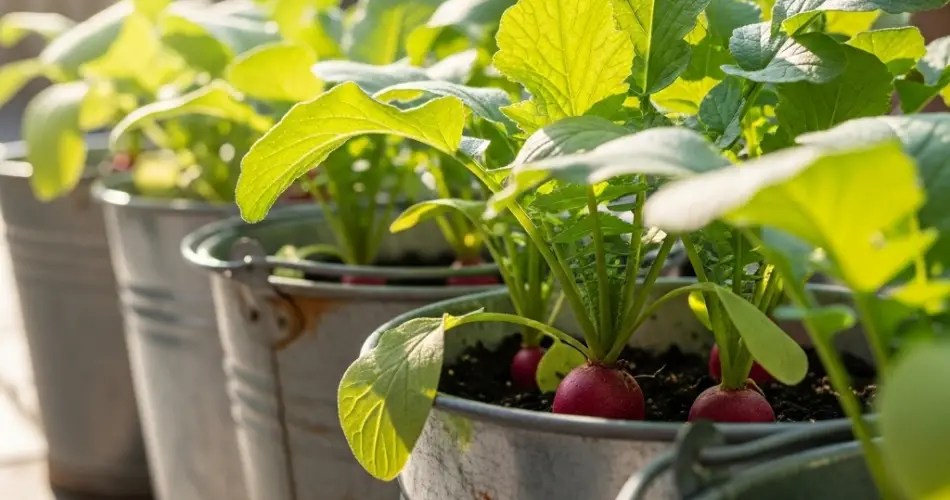
Radishes are among the quickest and easiest vegetables to grow, making them perfect for both beginners and experienced gardeners. Known for their crisp texture and peppery flavor, radishes are a versatile addition to salads, snacks, and side dishes. What makes them especially appealing is their adaptability to container gardening. With the right setup, you can enjoy fresh radishes from your balcony, patio, or small garden throughout the season. This guide explains how to achieve container gardening success with radishes.
Why Radishes Thrive in Containers
Radishes are a root vegetable that matures quickly, often ready for harvest within just 3–4 weeks of planting. This fast turnaround makes them highly rewarding for gardeners with limited space. Containers provide the perfect environment for radishes, as they allow you to control soil quality, moisture, and sunlight more easily than in-ground beds.
Some advantages of growing radishes in containers include:
-
Space efficiency: Radishes need little room, so even small pots can yield a good harvest.
-
Quick results: The short growth cycle means you can plant and harvest multiple crops in one season.
-
Reduced pests and weeds: Containers make it easier to protect radishes from soil-borne pests and invasive weeds.
-
Mobility: Buckets or pots can be moved to ensure optimal sunlight.
These benefits make radishes an ideal crop for small-space gardeners looking for both convenience and productivity.
Choosing the Right Container
Radishes do not require deep containers, but depth still matters depending on the variety. For small, round radishes like ‘Cherry Belle’ or ‘French Breakfast,’ a container that is 6–8 inches deep is sufficient. For longer varieties such as ‘Daikon’ or ‘White Icicle,’ a depth of at least 12–14 inches is recommended.
A container should also have good drainage holes to prevent waterlogging, which can cause roots to rot. Plastic buckets, clay pots, or even wooden boxes all work well as long as they allow water to escape easily.
Soil Preparation
Radishes grow best in loose, well-draining soil. Compacted or heavy soil can result in misshapen roots. A good soil mix for radishes includes:
-
1 part garden soil
-
1 part compost for nutrients
-
1 part sand, perlite, or coco coir for aeration
The ideal soil pH is between 6.0 and 7.0. Adding compost ensures steady nutrient availability, which supports both root and leaf growth.
Planting Radishes
Radishes are best grown directly from seed, as they don’t transplant well. Follow these steps for successful planting:
-
Fill the container with prepared soil, leaving about two inches of space from the rim.
-
Sow seeds about ½ inch deep and 1 inch apart in rows or clusters.
-
Cover lightly with soil and water gently.
Seeds typically germinate within 5–7 days. Once seedlings emerge, thin them to 2–3 inches apart. Proper spacing ensures each radish has enough room to form healthy roots.
Watering and Care
Radishes require consistent moisture to develop crisp, tender roots. Uneven watering may lead to woody, cracked, or overly spicy radishes. Water when the top inch of soil feels dry, keeping the soil evenly moist but never soggy.
Because containers dry out quickly, especially in sunny conditions, check moisture levels daily. Mulching with straw, shredded leaves, or coco husk helps retain soil moisture and prevent rapid drying.
Sunlight Needs
Radishes grow best in full sun, requiring at least 6 hours of direct light daily. They can tolerate partial shade, especially in hot climates, but too much shade may result in lush greens and small roots. Position containers in the sunniest spot available on your balcony, patio, or windowsill.
Fertilizing Radishes
Radishes are light feeders and do not require heavy fertilization. Too much nitrogen encourages leafy growth at the expense of roots. A balanced liquid fertilizer applied once during their short growing period is usually sufficient. Compost mixed into the soil at planting time often provides all the nutrients they need.
Pests and Problems
Radishes are generally low-maintenance, but they can occasionally attract pests such as aphids, flea beetles, or root maggots. To minimize problems:
-
Inspect plants regularly and remove pests by hand or with a gentle spray of water.
-
Use neem oil or insecticidal soap if infestations persist.
-
Avoid overwatering to prevent fungal issues.
Since containers elevate the plants off the ground, radishes in pots are typically less vulnerable to pests compared to those grown directly in the soil.
Harvesting Radishes
Radishes are ready for harvest when roots are about 1 inch in diameter, usually 3–4 weeks after planting. Harvest promptly, as leaving them in the soil too long can make them woody and bitter.
To harvest, gently pull the entire plant by its leafy tops. Shake off excess soil and wash the radishes before storing.
Storing Your Harvest
Fresh radishes can be stored in the refrigerator for up to a week. Remove the leafy tops before storing to prevent moisture loss from the roots. For longer storage, radishes can also be pickled, adding a tangy crunch to meals year-round.
Conclusion
Container gardening with radishes is a quick, easy, and rewarding way to enjoy fresh produce in small spaces. Their fast growth, minimal care requirements, and adaptability make them perfect for balconies, patios, or even windowsills. With proper soil, consistent watering, and enough sunlight, radishes thrive in containers and deliver crisp, flavorful harvests in just a few weeks. Whether you’re a beginner or an experienced gardener, radishes are an excellent crop to guarantee container gardening success.


