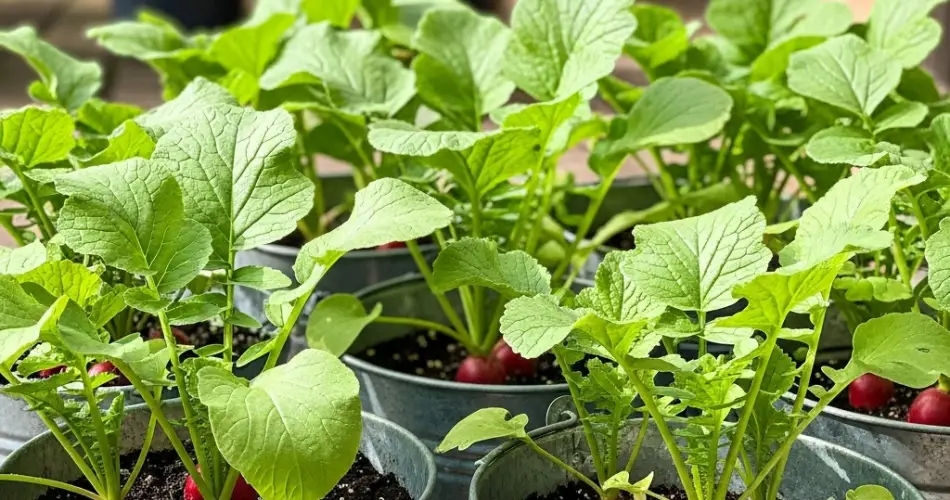
Radishes are among the fastest and easiest vegetables to grow, making them a favorite for home gardeners—especially those working with limited space. Whether you have a small backyard, a balcony, or just a few containers, compact radish planting can deliver quick, crunchy, and flavorful results. With their rapid growth and minimal care requirements, radishes are the perfect crop for both beginners and seasoned gardeners looking for a reliable harvest.
In this guide, you’ll learn how to grow radishes in a small-space garden or container setup, from choosing the right variety to harvesting crisp roots in just a few weeks.
Why Grow Radishes?
Radishes are more than just a spicy salad topping. They’re a cool-season crop that matures quickly—often in just 3 to 4 weeks. Here’s why radishes are a great addition to any compact garden:
-
Fast-growing: Some varieties mature in as little as 25 days.
-
Minimal space required: Radishes thrive in small beds, containers, or even window boxes.
-
Cold-tolerant: Ideal for early spring and fall planting.
-
Low maintenance: They don’t require extensive care or feeding.
-
Dual-purpose: Both the root and the leafy tops are edible.
Because they grow quickly, radishes are also a great way to get kids involved in gardening—they can see results within weeks!
Choosing the Right Radish Varieties
There are many radish varieties, and selecting the right one for your space and climate is key.
Best compact varieties:
-
‘Cherry Belle’ – A classic round red radish that matures in just 22 days.
-
‘French Breakfast’ – Oblong roots with a crisp texture and mild flavor.
-
‘Easter Egg’ – A colorful mix of white, pink, and purple radishes.
-
‘Sparkler’ – Attractive red-and-white variety, quick to mature.
-
‘White Icicle’ – A longer type with a slightly milder flavor.
If you’re working with containers or shallow soil, stick to small or globe-shaped varieties rather than long-rooted ones like daikon.
Ideal Growing Conditions
Radishes prefer cool temperatures and can bolt (go to seed) in hot weather, so aim for planting during:
-
Early spring (as soon as soil can be worked)
-
Late summer or early fall (for a fall crop)
Sunlight:
Radishes need at least 6 hours of sun daily, though they can tolerate light afternoon shade in warmer climates.
Soil:
-
Well-draining, loose soil is essential for good root development.
-
A soil pH between 6.0 and 7.0 is ideal.
-
Avoid overly rich soil—too much nitrogen can lead to lush tops but small roots.
Container tips:
Use containers that are at least 6 inches deep for small radish varieties. Window boxes, pots, grow bags, and even recycled containers can work well.
How to Plant Radishes in Small Spaces
-
Prepare the soil by loosening it and removing any rocks or debris.
-
Sow seeds about ½ inch deep and 1 inch apart in rows or clusters.
-
If growing in containers, space seeds similarly and ensure even coverage.
-
Lightly cover with soil and water gently.
Radishes germinate quickly—usually in 4 to 7 days. Once seedlings emerge, thin them to 2 inches apart to give roots space to develop properly.
Watering and Fertilizing
Watering:
Radishes need consistent moisture to grow tender roots. Dry soil can cause the roots to become woody or split. Water regularly, especially during dry spells, but avoid overwatering.
Fertilizing:
Most radishes don’t need additional fertilizer if planted in compost-rich soil. If needed, use a low-nitrogen, balanced fertilizer once or twice during the growing cycle. High nitrogen can cause excessive leaf growth with poor root development.
Common Problems and Solutions
Even though radishes are easy to grow, they’re not without challenges:
-
Bolting: If weather turns hot or plants are stressed, radishes may flower prematurely. Plant early and keep soil moist to avoid this.
-
Pests: Watch for flea beetles and root maggots. Use row covers for protection, and rotate crops each season.
-
Misshapen roots: Caused by compacted soil or overcrowding. Thin seedlings early and ensure loose soil.
Harvesting Radishes
Radishes are ready to harvest about 3 to 4 weeks after sowing, depending on the variety. Don’t wait too long—overmature radishes become pithy and bitter.
Signs of readiness:
-
The top of the root is visible above the soil and is 1 inch in diameter.
-
The leaves are lush and upright.
To harvest, gently pull the radish from the soil. Brush off excess dirt and rinse before eating or storing.
Using Radishes in the Kitchen
Radishes are incredibly versatile. Enjoy them:
-
Raw in salads or as crunchy snacks
-
Pickled for a zesty side dish
-
Roasted for a milder, sweeter flavor
-
Sauteed with their greens for a nutrient-rich dish
Don’t toss the tops—radish greens are edible and packed with vitamins. Use them in soups, stir-fries, or as a peppery pesto base.
Final Thoughts
Radishes are the ultimate crop for compact gardens. Fast, forgiving, and flavorful, they can be squeezed into small spaces, succession-planted for ongoing harvests, and enjoyed in countless culinary creations. Whether you’re growing in a backyard bed or a balcony pot, radishes bring satisfaction and crunch to your garden and table.
So grab a packet of seeds, a bit of soil, and start planting—your first harvest will be ready before you know it.


