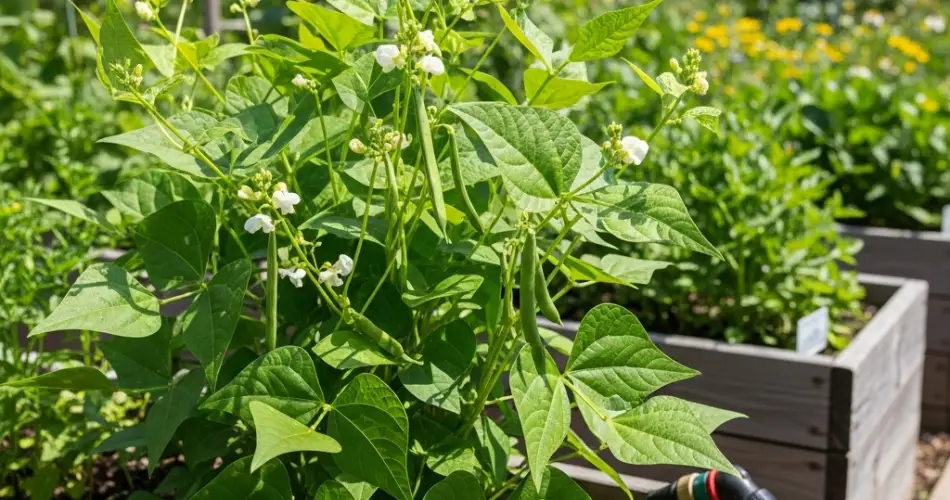
Green beans are among the simplest and most productive vegetables to grow at home—and they’re perfectly suited for container gardening. Whether you’re working with a small balcony, a sunny porch, or a compact patio, green beans offer a fast-growing, high-yield crop that requires little space and minimal effort. With the right setup and basic care, you can enjoy fresh, crunchy beans all season long, right outside your door.
Here’s how to grow green beans in containers, step by step, for a rewarding harvest even in the smallest of spaces.
Why Green Beans Are Perfect for Containers
Green beans are adaptable and thrive in containers when given the proper environment. Their relatively shallow root systems and compact growth make them ideal for urban gardening and small-space living.
Benefits of growing green beans in containers:
-
Ideal for balconies, rooftops, patios, and small gardens
-
Grow quickly—many varieties are harvest-ready in under two months
-
Require minimal maintenance and are beginner-friendly
-
Enhance your space with green foliage and edible crops
-
Allow for better control over soil, moisture, and pests
Whether you’re growing them for daily meals or as part of a decorative edible garden, green beans are a practical and attractive choice.
Choosing Between Bush and Pole Beans
Before planting, decide whether you want to grow bush beans or pole beans. Each type has its pros and is suited for different container setups.
Bush beans:
-
Grow 18–24 inches tall
-
Don’t require trellising
-
Mature quickly and produce all at once
-
Great for small containers and limited vertical space
Pole beans:
-
Vine-type plants that need trellises, poles, or netting
-
Grow up to 6–10 feet tall
-
Produce gradually over an extended period
-
Ideal for maximizing vertical space and continuous harvests
Both types grow well in containers, so the choice depends on your space and how you prefer to harvest.
Selecting the Right Container
Beans need a container that allows room for root development and provides good drainage.
Container guidelines:
-
Depth: At least 10–12 inches
-
Width: 12 inches minimum for bush beans; wider or multiple containers for pole beans
-
Drainage: Must have several holes in the bottom
-
Material: Plastic pots, clay planters, grow bags, or wooden boxes all work well
For pole beans, choose a deeper and more stable container that can hold a trellis or stakes securely.
Preparing Soil for Green Beans
Green beans do best in loose, fertile, well-draining soil. A lightweight potting mix enriched with organic material supports healthy growth.
Soil mix recommendation:
-
High-quality potting soil as the base
-
Add compost or aged manure to boost nutrients
-
Mix in perlite or coco coir to improve aeration and drainage
Avoid garden soil, which can compact in containers and reduce water and air flow to roots.
Planting Green Beans in Containers
Green beans grow best when seeded directly into their final container, rather than being transplanted.
Planting steps:
-
Fill your container with prepared soil, leaving about an inch below the rim.
-
Plant seeds 1 inch deep.
-
For bush beans: space seeds 3–4 inches apart.
-
For pole beans: plant around the base of your trellis, spacing 4–6 inches apart.
-
Water thoroughly after planting.
Seeds usually sprout in 5–10 days, depending on temperature and moisture levels.
Sunlight and Watering Requirements
Beans are sun-loving plants that need consistent moisture to thrive.
Light needs:
-
Full sun: at least 6–8 hours per day
-
Move containers to the sunniest spot available
-
For shady areas, bush beans will perform better than pole beans
Watering tips:
-
Keep soil evenly moist, especially during flowering and pod development
-
Water when the top inch of soil feels dry
-
Avoid wetting the leaves to prevent fungal diseases
-
Use mulch to reduce moisture loss and keep the root zone cool
Feeding and Maintenance
Green beans are light feeders but benefit from periodic nutrients, especially in containers where soil depletes faster.
Fertilizing:
-
Use a balanced liquid fertilizer or compost tea every 2–3 weeks
-
Avoid high-nitrogen fertilizers, which produce leaves instead of pods
-
Switch to a bloom-boosting fertilizer when flowers start to appear
Additional care:
-
Thin out crowded seedlings after germination
-
Support pole beans with sturdy trellises or bamboo stakes
-
Watch for pests like aphids and beetles—use neem oil or insecticidal soap as needed
Harvesting Green Beans
Timely harvesting keeps your plants productive and ensures tender, flavorful beans.
How to harvest:
-
Pick beans when pods are firm and about 4–6 inches long
-
Don’t wait until beans inside are too large or bulging
-
Use scissors or pinch pods off gently to avoid damaging stems
-
Harvest regularly—every 2–3 days during peak season—to encourage more pod growth
Bush beans will deliver one large harvest, while pole beans offer smaller but continual yields.
Final Thoughts
Green beans are one of the easiest vegetables to grow in containers and a great choice for gardeners of all levels. With minimal space, a bit of sunshine, and regular care, you can enjoy crisp, homegrown beans throughout the growing season.
Whether you’re growing for flavor, food security, or the joy of gardening, container-grown green beans offer convenience, productivity, and freshness—right at your fingertips.


