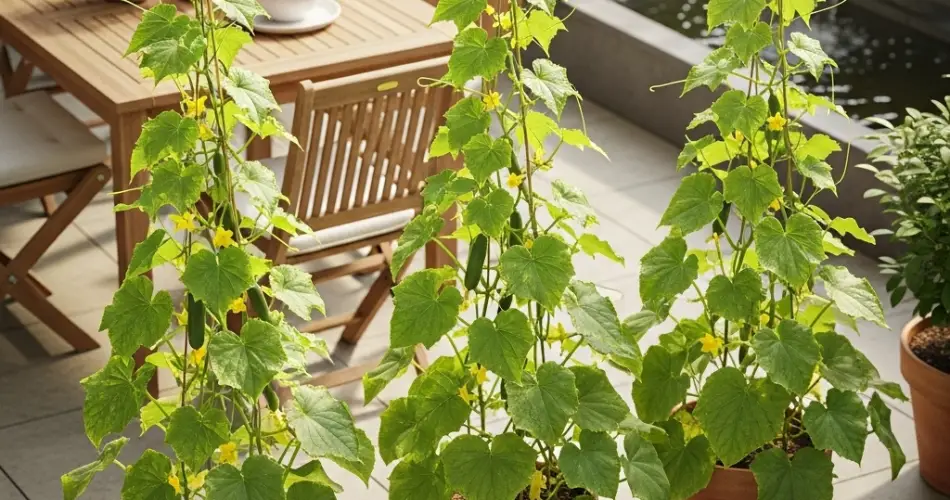
Cucumbers are one of the easiest and most productive vegetables to grow at home. Their rapid growth, refreshing flavor, and versatility in the kitchen make them a favorite among gardeners. And the best part? You don’t need a traditional garden to grow them. With the right setup, cucumbers can thrive in containers—even in small spaces like balconies, patios, or compact backyards.
Growing cucumbers in containers is not only space-saving but also helps minimize pests and allows for greater control over soil conditions. Whether you want to grow pickling cucumbers or slicing varieties, container gardening is an excellent solution for limited spaces.
Why Grow Cucumbers in Containers?
Container gardening provides an ideal environment for cucumbers, especially if you’re working with poor soil or no ground space at all. Here’s why containers work so well:
-
Space efficiency: Great for balconies, rooftops, or small patios.
-
Soil control: Use high-quality soil and compost without worrying about ground contamination.
-
Reduced pests: Keeping plants off the ground helps prevent many common pests and diseases.
-
Mobility: Easily move your container to maximize sun exposure or protect from harsh weather.
-
Vertical potential: Use trellises to grow upward, saving even more room.
By growing cucumbers in pots, you can enjoy the same (or even better) results as traditional in-ground gardening.
Choosing the Right Container
Cucumbers develop large root systems, so they need spacious containers to thrive.
Ideal container size and features:
-
Size: Use at least a 5-gallon container per plant. Larger is better.
-
Material: Plastic, ceramic, fabric grow bags, or wooden boxes are all suitable.
-
Drainage: Ensure the container has multiple drainage holes at the base to prevent root rot.
For vining varieties, the container should also be sturdy enough to support a trellis or climbing frame.
Best Cucumber Varieties for Small Spaces
When growing cucumbers in containers, it’s best to choose compact or bush varieties. These types take up less space and often perform better in pots.
Top container-friendly varieties:
-
Bush Pickle – Great for pickling and perfect in small spaces.
-
Spacemaster – A compact slicing cucumber ideal for patios and balconies.
-
Patio Snacker – Bred specifically for container gardening with sweet, crisp fruit.
-
Bush Champion – Produces a large yield despite its compact size.
If growing vining varieties, be prepared to add a vertical support system to help manage their growth.
Preparing the Potting Mix
Cucumbers need well-draining, nutrient-rich soil to produce healthy vines and fruit.
DIY potting mix:
-
50% high-quality potting soil
-
30% compost or aged manure
-
20% perlite or coconut coir for drainage and water retention
Mix in an organic slow-release fertilizer before planting to give young plants a head start.
Planting and Placement
You can start cucumbers from seeds or transplants. For small containers, it’s best to grow one plant per pot to avoid overcrowding.
-
Fill the container with your prepared soil mix, leaving about 1–2 inches from the rim.
-
Sow 2–3 seeds, thinning to the strongest seedling once sprouted. Or, transplant one healthy seedling.
-
Water well after planting and keep the soil moist, not soggy.
Position the container in a spot that gets at least 6 to 8 hours of full sunlight each day. A south-facing balcony or patio usually provides ideal conditions.
Trellising for Vertical Growth
Even in containers, cucumbers grow fast and benefit from vertical support:
-
Use a small trellis, tomato cage, bamboo poles, or netting.
-
Train the vines gently to climb as they grow, which improves airflow and keeps fruit clean.
Vertical gardening maximizes your limited space while reducing the risk of fungal diseases and rot.
Watering and Feeding
Cucumbers are heavy drinkers, especially during hot weather. Consistent moisture is key:
-
Water daily in warm climates or when the top inch of soil feels dry.
-
Avoid overwatering, which can lead to root rot.
-
Fertilize every 2–3 weeks with a balanced, water-soluble fertilizer once flowering begins.
Mulching the top of the soil with straw or shredded leaves can help retain moisture and reduce temperature fluctuations.
Pest and Disease Prevention
Cucumbers in containers are less prone to soil-borne issues, but pests may still appear. Watch out for:
-
Aphids
-
Spider mites
-
Cucumber beetles
Use neem oil or insecticidal soap to manage infestations early. Ensure good air circulation and avoid overhead watering to minimize fungal diseases like powdery mildew.
Harvesting Cucumbers
Harvest cucumbers while they’re firm and before they become overripe. Leaving cucumbers on the vine too long can make them bitter and reduce future fruiting.
-
Pick regularly to encourage more production.
-
Use scissors or a small knife to avoid damaging the plant.
Depending on the variety, cucumbers are ready to harvest about 50–70 days after planting.
Final Thoughts
Container cucumber gardening is an excellent solution for anyone working with limited outdoor space. With just one pot, good soil, and plenty of sun, you can enjoy a refreshing cucumber harvest right from your balcony or patio.
This low-maintenance method is ideal for beginners and experienced gardeners alike. Whether you’re slicing them into salads or turning them into homemade pickles, fresh cucumbers are just a few steps away—no backyard required.


