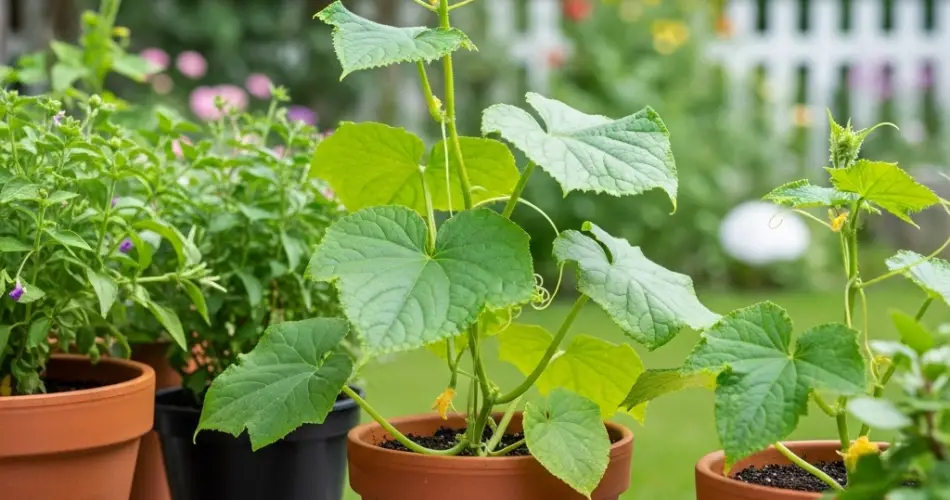
You don’t need a sprawling garden to enjoy homegrown cucumbers—just a sunny corner of your patio and a good-sized pot. Whether you prefer to slice them for salads or preserve them as crunchy pickles, cucumbers thrive in containers and produce abundantly with just a little care. Growing them in pots is perfect for small-space gardeners and urban dwellers alike.
This guide will walk you through the essentials of growing cucumbers in pots so you can enjoy a continuous harvest of crisp, fresh cucumbers right outside your door.
Why Grow Cucumbers in Pots?
Cucumbers are fast-growing, heat-loving plants that respond well to container gardening. When grown in pots, they’re easier to manage, and vertical training can help maximize limited space.
Advantages of pot-growing cucumbers:
-
Ideal for patios, balconies, and small gardens
-
Better drainage and fewer soil-borne diseases
-
Easier to move to sunnier or more sheltered spots
-
Clean, accessible harvests
-
Great for trellising and vertical gardening
Best Cucumber Types for Container Growing
Cucumbers come in two main growth habits: bush and vining.
Bush varieties are compact and ideal for containers. They don’t require much vertical support and produce well in tight spaces.
Vining types need trellising but yield more fruit over a longer period. These are great if you have vertical space or can attach a trellis to a wall, railing, or cage.
Top varieties for pots:
-
Bush Pickle – Short vines, ideal for containers and quick harvests
-
Spacemaster – Designed for tight spots; productive and compact
-
Salad Bush – Great flavor and good disease resistance
-
Marketmore 76 – A reliable slicing cucumber for vertical trellising
-
Lemon Cucumber – Round, yellow, and sweet—perfect for fresh eating or pickling
Choosing the Right Pot
Cucumbers need space to grow healthy roots and retain moisture. Select a container that offers both depth and volume.
Pot requirements:
-
Size: Minimum 5 gallons per plant
-
Depth: At least 12 inches
-
Material: Plastic, ceramic, terracotta, wood, or grow bags
-
Drainage: Ensure there are holes at the bottom to prevent waterlogging
Avoid using shallow containers, which dry out too quickly and stress the plant.
Soil and Fertilizer Needs
Cucumbers are heavy feeders and require nutrient-rich, well-draining soil to thrive.
Soil mix for cucumbers:
-
High-quality potting mix
-
25–30% compost or aged manure
-
A handful of perlite or coco coir for added drainage and aeration
Before planting, mix in a balanced slow-release fertilizer (10-10-10 or 5-10-10). Once the plants begin flowering, feed them every two weeks with a liquid fertilizer rich in potassium and phosphorus to promote fruiting.
Planting Cucumbers in Pots
-
Fill your container with the prepared soil mix, leaving 1–2 inches at the top.
-
Sow seeds about 1 inch deep, placing 2–3 seeds per pot. Once they sprout, thin them to the strongest plant.
Or: Transplant seedlings, making sure to handle the roots gently. -
Water well after planting to settle the soil and support root development.
-
If you’re growing a vining variety, install a trellis or support system at planting time.
Caring for Patio Cucumbers
Cucumbers require regular attention, especially during hot weather when pots dry out quickly.
Sunlight
Cucumbers need 6–8 hours of direct sunlight daily. Place containers in the sunniest location possible.
Watering
Keep the soil consistently moist but not soggy. Water deeply whenever the top inch of soil feels dry. In very warm climates, daily watering may be necessary.
Mulching
Apply a layer of organic mulch (like straw or shredded leaves) to help retain moisture and regulate soil temperature.
Trellising and Pruning
For vining types, gently tie the vines to a trellis as they grow. Prune off damaged or yellowing leaves to keep the plant healthy and ensure good air circulation.
Dealing with Pests and Diseases
Growing cucumbers in pots helps reduce some garden pest issues, but you should still monitor your plants regularly.
Common problems:
-
Aphids and cucumber beetles – Spray with neem oil or use insecticidal soap
-
Powdery mildew – Avoid overhead watering; improve airflow
-
Wilting – Usually caused by inconsistent watering or bacterial wilt; remove affected plants
Check leaves regularly and act early to prevent problems from spreading.
Harvesting for Fresh Eating or Pickling
Cucumbers grow quickly once they start fruiting. Pick them when they’re firm and reach the desired size for their variety.
-
Pick early and often: Leaving cucumbers on the vine too long can slow further fruit production and result in bitter flavor.
-
Use clean garden scissors or pruners to avoid damaging the plant.
Harvested cucumbers can be sliced for salads, added to sandwiches, or turned into tangy homemade pickles within hours.
Final Tips for Success
-
Rotate pots occasionally to ensure even sun exposure.
-
Clean containers before each planting season.
-
Refresh the potting soil annually with compost and nutrients.
-
Keep vines trained and off the ground to prevent rot and maximize space.
Conclusion
Growing cucumbers in pots is a simple and satisfying way to produce fresh vegetables at home—no garden required. With just a little space, a container, and some sunshine, you can enjoy crispy, homegrown cucumbers all season long. Whether your goal is to snack fresh or create jars of tangy pickles, patio-grown cucumbers make it easy to enjoy garden-to-table freshness from your own outdoor space.


