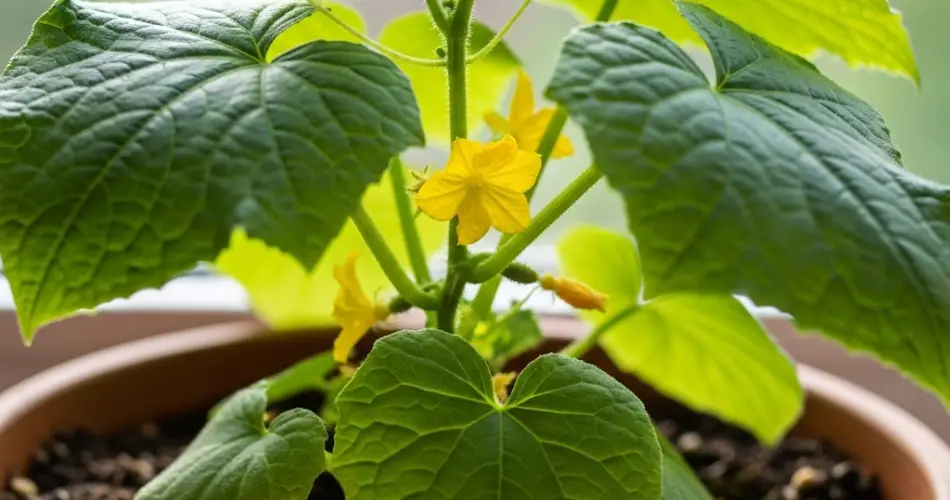
If you think cucumbers require sprawling garden beds to thrive, think again. Cucumbers are surprisingly well-suited to container growing, making them a perfect choice for patios, balconies, porches, or rooftops. With the right setup and a little care, you can enjoy a steady harvest of crisp cucumbers right from a pot—no backyard necessary.
Whether you want them for fresh salads, cooling snacks, or homemade pickles, growing cucumbers in containers is simple, productive, and satisfying. Here’s how to do it successfully from start to finish.
Why Cucumbers Do Well in Pots
Cucumbers are fast-growing, warm-season vegetables that flourish in sunny spots with rich soil and consistent moisture. When grown in pots, they benefit from better drainage, fewer pests, and more controlled growing conditions.
Benefits of container-growing cucumbers:
-
Ideal for small or urban spaces
-
Easy to manage soil quality and water levels
-
Reduced weed pressure and root diseases
-
Flexible placement to optimize sunlight
-
Cleaner, straighter cucumbers when grown vertically
Best Cucumber Types for Containers
When selecting a cucumber variety, consider your space, preferred taste, and whether you’ll use a trellis.
Bush varieties are compact and perfect for containers.
Vining types produce longer, trailing vines and benefit from trellising.
Great varieties to try in pots:
-
Bush Champion – Compact and productive
-
Spacemaster – Perfect for containers and small gardens
-
Salad Bush – Great for slicing and snacking
-
Picklebush – Ideal size and yield for pickling
-
Marketmore 76 – A vining type that grows well vertically
-
Lemon Cucumber – Round, sweet, and unique in appearance
Choosing the Right Pot
Cucumber plants need space to spread their roots and maintain moisture.
Container guidelines:
-
Size: At least 5 gallons (19 liters) per plant
-
Depth: 12–16 inches minimum
-
Material: Plastic, ceramic, clay, fabric grow bags, or food-safe buckets
-
Drainage: Ensure proper holes at the bottom to prevent waterlogging
Larger containers help reduce the risk of drying out and encourage stronger root development, which supports healthier plants and better fruit production.
Preparing the Soil
Cucumbers love rich, well-draining soil. Avoid using garden soil alone—it can compact in containers and limit root growth.
Ideal soil mix:
-
High-quality potting soil
-
25–30% compost or aged manure
-
Perlite or coco coir for aeration and moisture retention
Mix in a balanced slow-release fertilizer before planting. Once flowering begins, switch to a low-nitrogen fertilizer to support fruit development.
Planting Instructions
-
Fill the pot with the prepared soil mix, leaving about 1–2 inches at the top.
-
Sow seeds directly into the pot about 1 inch deep, or transplant healthy seedlings.
-
Water thoroughly to settle the soil. Keep it consistently moist until seeds germinate or transplants establish.
-
Thin seedlings if needed, leaving one strong plant per container.
For vining types, install a trellis, stake, or support system at planting time to avoid disturbing the roots later on.
Growing and Caring for Potted Cucumbers
Light: Cucumbers need 6 to 8 hours of direct sunlight daily. Choose the sunniest spot available.
Water: Keep the soil evenly moist, especially during hot spells. Shallow containers dry out fast, so check moisture levels daily. Avoid letting the soil completely dry or become soggy.
Mulching: A layer of mulch helps keep moisture in, suppress weeds, and maintain a steady soil temperature. Use straw, shredded leaves, or even dried grass clippings.
Support: Vining varieties need vertical space. Tie young vines loosely to a trellis or stake, and let their tendrils do the rest. This keeps fruit clean and saves space.
Feeding: Once flowers appear, apply a liquid fertilizer high in potassium and phosphorus every 2–3 weeks to support fruiting.
Pest and Disease Management
Container gardening naturally reduces the risk of some pests and diseases, but you should still keep an eye out for trouble.
Common issues include:
-
Aphids and spider mites: Spray with water or neem oil
-
Powdery mildew: Improve air circulation and avoid wetting leaves
-
Wilting plants: Could be caused by under-watering or bacterial wilt—check roots and stems
Inspect leaves and stems weekly, and act quickly at the first sign of problems.
Harvesting Cucumbers
Cucumbers grow quickly once they start fruiting. Most varieties are ready for harvest 50 to 70 days after planting, but exact timing varies.
Tips for harvesting:
-
Pick cucumbers when they are firm and reach the mature size listed on the seed packet
-
Avoid letting fruit over-ripen—they may turn bitter and reduce further yield
-
Use scissors or pruners to cut the fruit cleanly from the vine
Frequent harvesting encourages more flowering and fruit development.
Final Tips
-
Rotate containers occasionally to ensure even light exposure
-
Clean and sanitize pots between growing seasons
-
Refresh potting soil annually or amend with compost
-
Start a second round of cucumbers mid-season for continuous harvests
Conclusion
Growing cucumbers in pots is not only possible—it’s fun and incredibly rewarding. With the right container, soil, sunlight, and a little support, you can grow fresh, flavorful cucumbers anywhere from a high-rise balcony to a backyard patio. Whether you enjoy them sliced, pickled, or straight off the vine, pot-grown cucumbers are a fresh way to make the most of your space and your summer.


