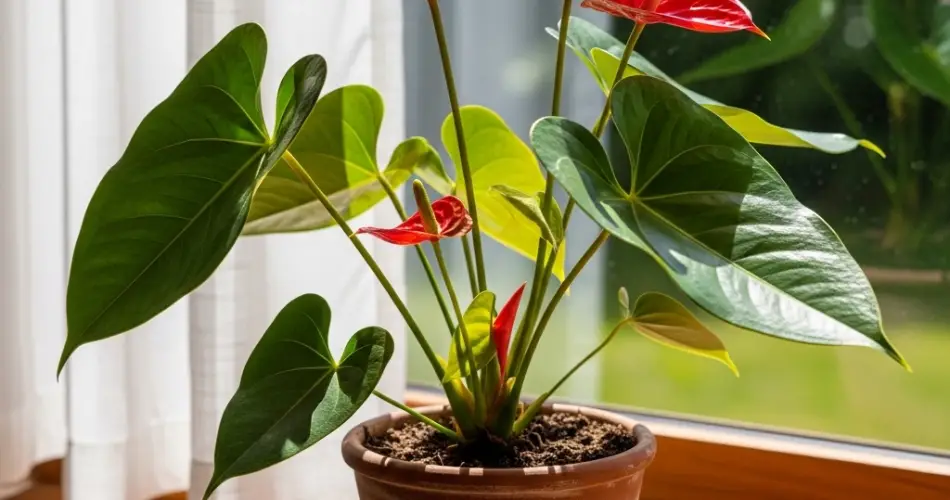
Anthuriums are prized for their glossy leaves and vibrant, long-lasting blooms that bring a tropical feel to any interior space. Known as “flamingo flowers” or “laceleaf,” these plants thrive indoors when given proper container care. From choosing the right pot to maintaining ideal growing conditions, each step plays a role in encouraging lush foliage and spectacular flowers year-round.
Selecting the Right Container
The foundation of healthy anthurium growth starts with the pot. Since anthuriums dislike sitting in overly wet soil, the container must have:
-
Drainage holes: These prevent water from pooling at the bottom, reducing the risk of root rot.
-
Appropriate size: A pot that is 2–3 cm wider than the root ball works best. Oversized pots hold too much moisture, while undersized ones restrict root growth.
-
Material choice: Terra cotta allows extra evaporation and helps maintain balanced moisture levels, while ceramic and plastic pots retain water longer. Choose based on your home’s humidity and how often you water.
Potting Mix for Anthuriums
Anthuriums prefer an airy, well-draining mix that still retains enough moisture for roots to absorb water consistently.
A recommended blend includes:
-
Orchid bark for aeration.
-
Perlite to improve drainage.
-
Peat moss or coco coir for moisture retention.
This combination replicates the loose, organic material found in their natural tropical environment, keeping roots healthy and oxygenated.
Planting and Repotting
When potting an anthurium:
-
Prepare the pot: Clean it thoroughly and ensure the drainage holes are clear.
-
Add the base layer: Place some potting mix at the bottom.
-
Position the plant: Keep the crown (where stems meet roots) slightly above the soil line to prevent rot.
-
Fill in gently: Add mix around the roots, pressing lightly to remove large air pockets.
-
Water well: Give a thorough watering until water drains from the bottom, then let excess moisture escape completely.
Repot every two to three years or when roots start growing out of the drainage holes. This refreshes the soil and provides space for continued growth.
Watering for Healthy Blooms
Watering habits have a direct impact on bloom quality. Anthuriums need consistent moisture, but the soil should never stay soggy.
-
Check moisture first: Insert your finger into the top 2–3 cm of soil. If it’s dry, it’s time to water.
-
Even coverage: Water until you see liquid escaping from the bottom.
-
No standing water: Empty saucers immediately to avoid root problems.
Overwatering can suffocate roots, while underwatering leads to wilted leaves and fewer blooms.
Light Requirements
Anthuriums thrive in bright, indirect light. Too much direct sun can scorch leaves, while insufficient light results in weak growth and fewer flowers.
-
Ideal spot: Near an east- or north-facing window, or a few feet away from a bright south- or west-facing window filtered by sheer curtains.
-
Artificial lighting: In darker spaces, full-spectrum grow lights can supplement natural light and keep blooms vibrant.
Temperature and Humidity
These tropical plants prefer:
-
Temperature: Between 18°C and 27°C. Keep them away from cold drafts and sudden temperature changes.
-
Humidity: Around 60–80%. Use a humidifier, group plants together, or place the pot on a pebble tray with water to increase moisture in the air.
Fertilizing for Flower Production
Regular feeding encourages strong growth and continuous blooms.
-
Type: Use a balanced liquid fertilizer or one with slightly higher phosphorus to boost flowering.
-
Frequency: Every 6–8 weeks during spring and summer.
-
Dilution: Apply at half the recommended strength to avoid root burn.
Maintaining Plant Health
-
Dust leaves: Wipe with a damp cloth to keep leaves shiny and photosynthesizing efficiently.
-
Remove old blooms: Cut faded flowers at the base to encourage new growth.
-
Monitor for pests: Check for aphids, scale, or spider mites, and treat promptly if found.
Common Problems and Solutions
-
Yellow leaves: Often caused by overwatering or poor drainage. Adjust watering and check soil mix.
-
Brown tips: Usually from low humidity or over-fertilization. Increase moisture or flush the soil with clean water.
-
No blooms: The plant may not be getting enough light or nutrients. Adjust its location and feeding routine.
Final Thoughts
With the right container, soil mix, and care routine, anthuriums can thrive indoors for years, producing bold, tropical blooms that brighten any room. Paying attention to drainage, light, humidity, and watering habits ensures healthy roots and vibrant flowers. These plants reward attentive care with beauty that lasts through every season, making them a standout addition to any indoor garden.


