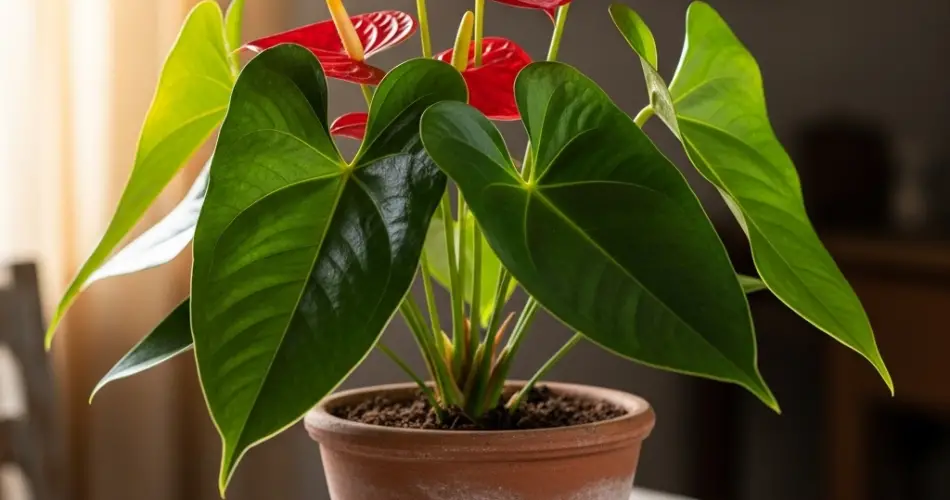
Anthuriums, with their glossy leaves and vibrant, heart-shaped flowers, are a favorite choice for adding a touch of tropical beauty to indoor spaces. Known for their ability to bloom throughout the year, these plants can remain an eye-catching centerpiece with the right care. However, to keep the flowers vibrant and long-lasting, you need to provide the right environment, proper watering, and consistent feeding.
This guide will walk you through the best techniques to ensure your anthurium thrives and produces blooms that last longer.
1. Provide the Perfect Lighting Conditions
Light plays a significant role in the lifespan of anthurium blooms. These plants thrive in bright, indirect light. Too much direct sunlight can scorch the leaves and fade the flowers, while insufficient light reduces blooming and results in duller colors.
Place your anthurium near a window with filtered light, ideally facing east or south. If natural light is limited, a grow light can be used to supplement, ensuring the plant gets 8–10 hours of light daily.
2. Maintain Ideal Humidity and Temperature
As tropical natives, anthuriums flourish in high humidity—ideally between 60% and 80%. Low humidity can cause flowers to dry prematurely and leaf edges to brown. To increase humidity:
-
Use a humidifier in the room.
-
Place the pot on a pebble tray filled with water (ensuring the pot is above, not in, the water).
-
Group plants together to create a naturally more humid environment.
Temperature is equally important. Keep your anthurium in a space between 18°C and 27°C (65°F to 80°F) and avoid sudden temperature drops or exposure to cold drafts.
3. Choose the Right Soil and Pot
A healthy root system supports longer-lasting blooms. Select a pot with drainage holes to prevent excess moisture from causing root rot.
For soil, use a well-draining mix that mimics the plant’s natural epiphytic environment. A blend of orchid bark, peat moss (or coco coir), and perlite works well. This combination ensures the roots get enough oxygen while retaining adequate moisture.
4. Watering for Bloom Longevity
Overwatering is one of the most common reasons anthurium flowers fade early. The key is to keep the soil slightly moist but never soggy. Water when the top 1–2 inches of soil feel dry. Use room-temperature water, and water thoroughly until it drains from the bottom.
In high-humidity environments, you may need to water less frequently. In drier conditions, more regular watering will be necessary. Always adjust according to the season—plants generally require less water in cooler months.
5. Feed for Continuous and Vibrant Blooms
Anthuriums need consistent feeding to sustain their flowers. Use a balanced, water-soluble fertilizer every 6–8 weeks during the growing season (spring through early autumn). For extra flowering power, choose a fertilizer slightly higher in phosphorus, which supports bloom production.
In winter, when growth slows, reduce feeding to avoid stressing the plant.
6. Prune and Clean Regularly
Deadheading—removing spent blooms—encourages the plant to produce new flowers instead of channeling energy into aging ones. Use clean, sharp scissors or pruning shears to cut the stem just above a leaf node.
Wiping the leaves with a damp cloth removes dust, improving photosynthesis and keeping the plant looking fresh.
7. Repot at the Right Time
Repot your anthurium every 2–3 years or when you notice roots circling inside the pot. A slightly larger pot and fresh soil will stimulate new growth and blooms. Spring is the best time to repot, giving the plant a full growing season to recover.
8. Avoid Common Bloom-Killing Mistakes
To maximize bloom longevity, watch out for:
-
Too much sunlight – Causes flowers to fade quickly.
-
Overwatering – Leads to root rot and weak flowering.
-
Low humidity – Shortens flower life and browns edges.
-
Lack of nutrients – Results in smaller, fewer blooms.
By avoiding these pitfalls, you help your plant sustain vibrant flowers for weeks at a time.
9. Propagation for More Flowering Plants
If you’d like more blooming anthuriums, propagation is straightforward. Divide the plant during repotting by carefully separating clumps with healthy roots and leaves. Plant divisions in fresh soil and provide the same care as the parent plant.
10. Seasonal Care Adjustments
During the warmer months, your anthurium will actively grow and bloom, so provide consistent water, light, and fertilizer. In cooler months, reduce watering slightly, stop heavy feeding, and keep the plant away from cold drafts. Maintaining humidity during winter is especially important for flower longevity.
Final Thoughts
Anthuriums are rewarding plants that can bloom for months with the right attention. By giving them the correct light, humidity, soil, and feeding routine, you can enjoy flowers that last longer and appear more frequently. With just a little consistent care, these tropical beauties can brighten your home year-round with their glossy leaves and striking, heart-shaped blooms.


