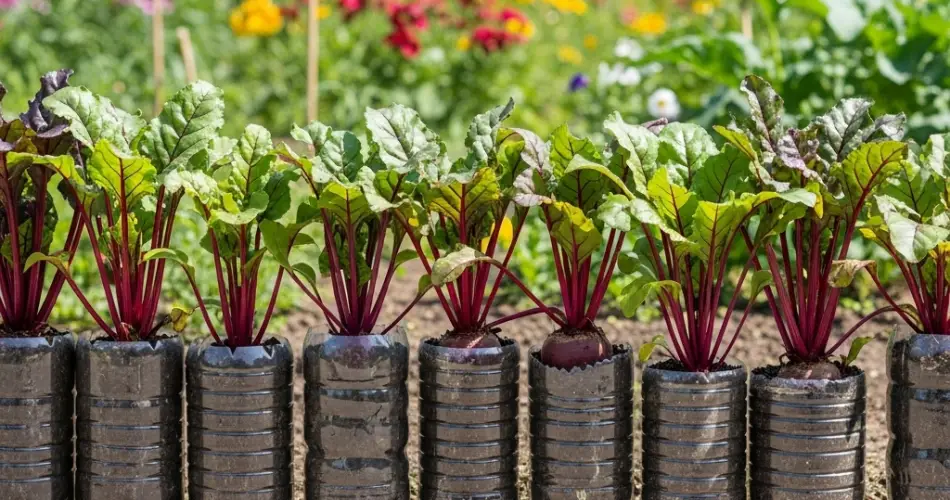
Beets are a colorful, nutrient-rich vegetable that you can easily grow in containers, making them ideal for urban spaces like balconies, patios, or even sunny windowsills. With the right setup, you can enjoy both beet roots and their tender leafy tops without needing a large garden plot.
This step-by-step guide will walk you through growing beets in containers, perfect for beginners and seasoned gardeners alike. Whether you’re aiming for a homegrown harvest or a fun, sustainable hobby, container-grown beets are a low-maintenance, rewarding crop for small-space living.
Why Grow Beets in Containers?
Container gardening is perfect for people who live in apartments or have limited yard space. Beets, with their shallow root systems and fast growth, thrive in pots or repurposed containers like buckets, crates, or even plastic bottles.
Benefits of growing beets in containers include:
-
Full control over soil quality and drainage
-
Easy access for watering and harvesting
-
Fewer problems with soil-borne pests and diseases
-
Great use of vertical or small horizontal spaces
-
The ability to grow almost year-round in mild climates
Choosing the Right Beet Variety
Beets come in several colorful varieties, all suitable for container gardening. Compact and quick-maturing types are ideal. Here are a few recommended varieties:
-
Detroit Dark Red – A classic, fast-growing variety
-
Chioggia – A beautiful striped beet with sweet flavor
-
Golden Beet – Mild, non-staining, and vibrant
-
Bull’s Blood – Known for flavorful roots and attractive purple leaves
-
Babybeat – Perfect for small containers and quick harvests
Supplies You’ll Need
Before you get started, gather the following:
-
Containers (8–12 inches deep, 12 inches wide minimum)
-
High-quality potting soil
-
Compost or organic fertilizer
-
Beet seeds
-
Watering can or spray bottle
-
Trowel or hand fork
-
Sunny location (at least 4–6 hours of sunlight per day)
Optional: recycled plastic bottles, fabric grow bags, or crates for a sustainable twist.
Preparing Your Container
-
Choose the Right Pot
Beets need space to develop round roots. Select a container with at least 8 inches of depth. If using repurposed materials, be sure to drill drainage holes in the bottom. -
Add Drainage Layer (Optional)
Place a layer of small stones or gravel at the base of the pot to promote drainage. -
Fill with Soil
Mix 70% potting mix with 30% compost. Beets prefer loose, well-draining soil. Avoid compacted or clay-heavy mixes. -
Moisten the Soil
Water the soil slightly before sowing. It should be damp but not soggy.
Planting the Seeds
-
Sow Directly
Beets don’t transplant well, so it’s best to sow seeds directly into the container. Plant seeds ½ inch deep and about 2 inches apart. -
Thinning
Each beet “seed” is actually a cluster. Once seedlings are 2–3 inches tall, thin them out so each plant has 3–4 inches of space. Use scissors to snip extras to avoid disturbing the roots. -
Labeling (Optional)
If you’re growing multiple varieties, label your containers to track them.
Light and Water Requirements
Beets need 4 to 6 hours of sunlight daily. Place containers in the sunniest location available—balconies, patios, or windowsills facing south or west work well.
Water consistently to keep the soil evenly moist. Avoid letting the soil dry out completely or become waterlogged. In warm weather, check the soil daily. Beets are relatively drought-tolerant once established but will perform better with steady moisture.
Feeding and Maintenance
-
Fertilizing: Mix compost into the soil before planting. If needed, apply a balanced liquid fertilizer once every 2–3 weeks, especially once roots begin forming.
-
Mulching: Add a thin layer of mulch to retain moisture and reduce weeds.
-
Pest Control: Beets in containers are less prone to pests, but keep an eye out for aphids or leaf miners. Neem oil or insecticidal soap can help if necessary.
-
Leaf Care: You can harvest a few beet greens while the roots are still growing—just don’t take more than a third of the leaves from any plant at once.
Harvesting Beets
Beets are usually ready to harvest 50–70 days after planting, depending on the variety. Check the shoulders (the top of the beet root) poking out of the soil—if they’re about 1.5–3 inches wide, they’re likely ready.
Grasp the base of the stem and gently pull the root upward. If the soil is dry or compacted, loosen it with a small fork before pulling. Beet greens can be harvested as needed once leaves are 4–6 inches tall.
After the Harvest
Once you’ve harvested your beets, compost the old plant material and refresh the soil. You can sow a second batch of seeds for a continuous harvest. In warm climates, beets can be grown nearly year-round.
Clean containers before replanting to prevent disease and pest buildup. Rotate crops by growing different vegetables in the next round (such as spinach or lettuce).
Final Thoughts
Beets are one of the easiest and most satisfying vegetables to grow in containers. Their vibrant colors, edible leaves, and sweet earthy flavor make them a favorite among urban gardeners. With minimal space and just a few simple materials, you can enjoy homegrown beets even in the heart of the city.
This step-by-step container gardening method helps reduce waste, conserve space, and bring healthy food closer to home—all while making gardening accessible to anyone, anywhere.


