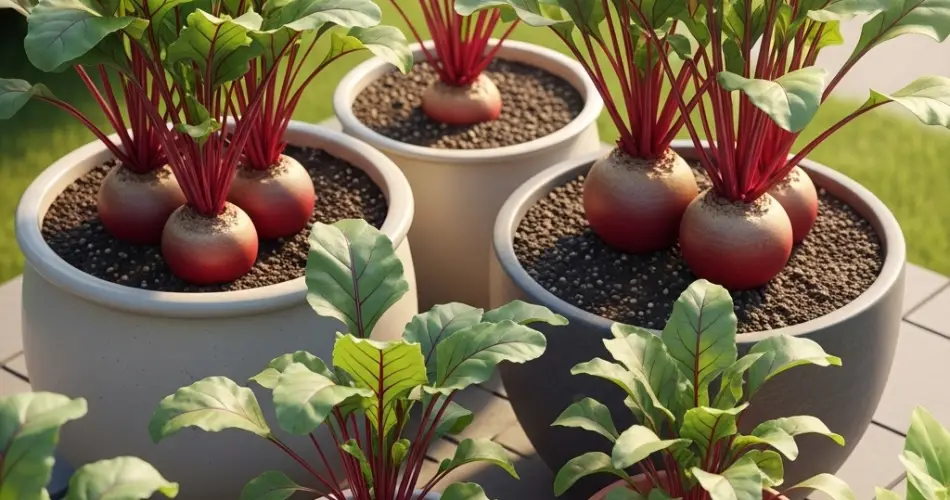
Beets are one of the most rewarding vegetables you can grow in a container garden. With their rich color, earthy flavor, and edible leaves, they provide both culinary delight and nutritional value. The best part? You don’t need a garden plot to grow them. Beets thrive in pots, making them an excellent choice for small-space gardening on balconies, patios, or even sunny windowsills.
Whether you’re growing them for the roots or the nutritious greens, beet plants are relatively low-maintenance and fast-growing. With just a little care, you can enjoy a steady harvest of deep-rooted goodness right from containers.
Why Beets Do Well in Pots
Beets have a compact growth habit and do not require sprawling space, which makes them ideal for pots and containers. Additionally:
-
Their dual harvest—roots and greens—maximizes yield.
-
They adapt well to controlled soil conditions.
-
They grow quickly, typically maturing in 50–70 days.
-
They prefer cooler weather, perfect for spring and fall planting in most regions.
Growing beets in pots also helps prevent common garden pests and gives you more control over watering and soil composition.
What You’ll Need to Get Started
To grow beets in containers, you’ll need:
-
A pot or container at least 10–12 inches deep
-
Quality potting soil
-
Organic compost or slow-release fertilizer
-
Beet seeds (varieties like Detroit Dark Red, Chioggia, or Golden)
-
Watering can or hose with a gentle spray setting
-
A sunny location (at least 6 hours of sunlight per day)
You can also use repurposed containers like buckets, storage bins, or large plastic bottles—just make sure they have adequate drainage holes.
Choosing the Right Beet Variety
Several beet varieties are well-suited for container gardening. Consider the following options:
-
Detroit Dark Red – a classic heirloom with smooth roots and tender greens.
-
Chioggia – an Italian variety known for its red-and-white striped flesh.
-
Golden – bright yellow beets with a milder, slightly sweet flavor.
-
Boltardy – ideal for early sowing and resistant to bolting.
Choose based on your taste preferences and available space.
Preparing the Soil
Beets thrive in loose, well-draining soil that’s rich in organic matter. Avoid heavy clay or compacted soil, as it can hinder root development.
Recommended mix:
-
60% all-purpose potting soil
-
30% compost or worm castings
-
10% perlite or coarse sand for drainage
Mix the components thoroughly and lightly moisten the soil before filling your container.
Sowing and Spacing
-
Fill the container with prepared soil, leaving about 1 inch of space at the top.
-
Sow seeds directly into the soil, spacing them about 2–3 inches apart. Each beet “seed” is actually a cluster of seeds, so thinning will be necessary later.
-
Cover lightly with ½ inch of soil and water gently.
-
Keep the soil moist during germination, which usually takes 5–10 days.
Once the seedlings are a few inches tall, thin them to 3–4 inches apart to allow the roots to develop fully. You can use the thinned seedlings in salads.
Sunlight and Watering Needs
Beets require full sun to grow healthy roots and lush greens. Position the container in a sunny area that receives at least 6 hours of light per day.
-
Water regularly to keep the soil evenly moist. Do not let it dry out completely, as inconsistent watering can lead to tough or cracked roots.
-
Avoid overwatering, which can cause root rot or fungal issues. Ensure proper drainage at all times.
Fertilizing for Growth
Beets benefit from nutrient-rich soil, especially in containers where nutrients may deplete faster. Add compost to the soil at the time of planting and supplement with a balanced liquid fertilizer every 2–3 weeks during the growing season.
Avoid excessive nitrogen, which can lead to lush foliage at the expense of root development.
Harvesting Your Beets
Beets are usually ready to harvest about 50–70 days after planting, depending on the variety. You’ll know they’re ready when the shoulders of the roots begin to push out of the soil and reach about the size of a golf ball or larger.
To harvest:
-
Gently loosen the soil around the beet and pull it out by the base of the stem.
-
Beets can be harvested earlier for tender baby beets or left longer for larger roots.
Don’t forget the leaves—they’re highly nutritious and can be cooked like spinach or added to salads.
Succession Planting and Reuse
To keep a steady supply, try sowing new seeds every 2–3 weeks during the growing season. After harvesting, remove any old roots, refresh the soil with compost, and plant again.
Beets grow best in cooler weather, so plan to grow them in early spring and late summer to avoid extreme heat.
Final Thoughts
Growing beets in pots is a fantastic way to enjoy fresh, homegrown produce even without a traditional garden. With minimal space and simple tools, you can harvest flavorful roots and greens right from your balcony or patio. It’s a practical and rewarding project that brings nutritious results—proving once again that good things do come from deep roots.


