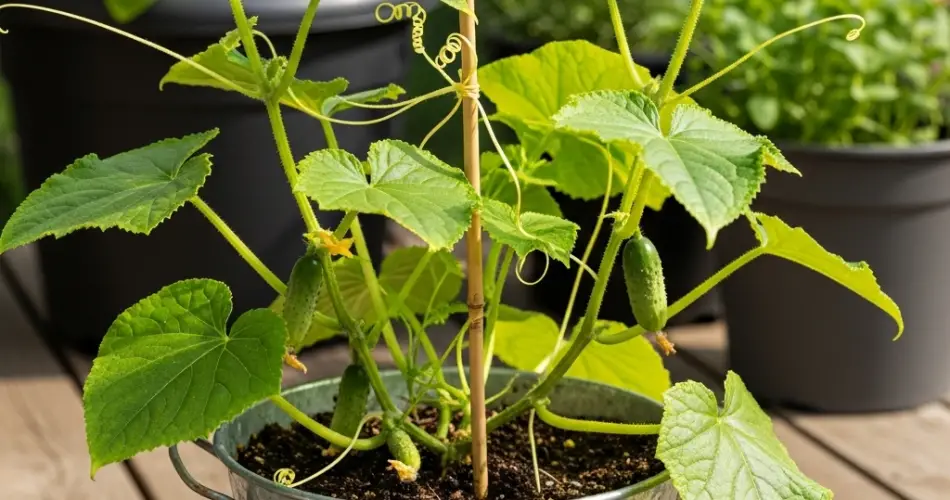
Cucumbers are among the most refreshing vegetables you can grow, perfect for summer salads, crunchy snacks, or homemade pickles. Traditionally, cucumbers are grown in large garden beds, with long vines spreading across the soil. However, with the right approach, they can thrive in small containers too. Container gardening allows even those with limited space—such as balconies, patios, or small courtyards—to enjoy a steady supply of crisp cucumbers.
This article guides you through everything you need to know about compact cucumber growing, from choosing the right varieties to harvesting your crop.
Why Grow Cucumbers in Containers?
Container gardening offers several benefits for cucumber lovers:
-
Space efficiency – Great for small homes without traditional garden beds.
-
Portability – Move containers to capture more sunlight or protect them from harsh weather.
-
Soil control – Buckets or pots let you create nutrient-rich, well-draining soil, free from garden pests.
-
Reduced weeds and diseases – Container setups are cleaner and easier to maintain.
When given the right environment, cucumbers in containers can be just as productive as those planted directly in the ground.
Choosing the Right Container
Cucumbers need plenty of room for their roots. While larger is better, a 5-gallon container is the minimum size recommended for one cucumber plant. Make sure the container has good drainage holes to prevent water from pooling, as soggy roots can quickly kill the plant. If possible, use lightweight containers that can be moved easily to chase the sun.
Best Cucumber Varieties for Small Spaces
Some cucumber varieties are better suited for compact growing. Look for bush or container-friendly options such as:
-
Bush Pickle – Small, compact plants with productive yields.
-
Spacemaster – Designed for containers, producing full-sized cucumbers on shorter vines.
-
Salad Bush Hybrid – A good choice for slicing cucumbers in limited space.
-
Picklebush – Perfect if you want to grow cucumbers for pickling.
If you prefer vining types, make sure to provide strong vertical support like a trellis or stake.
Preparing the Soil Mix
Cucumbers prefer loose, nutrient-rich, and well-draining soil. A good blend for containers includes:
-
50% high-quality potting mix
-
30% compost for nutrients
-
20% perlite, coco coir, or coarse sand for aeration
Avoid using garden soil alone, as it tends to compact in containers and restricts root growth. A light mix ensures healthy roots and good drainage.
Planting Cucumbers in Containers
-
Fill the container with the prepared soil mix, leaving a couple of inches at the top.
-
Sow seeds directly into the container, planting two to three seeds about one inch deep. Thin to the strongest seedling once they sprout.
-
Water well to help the seeds settle into the soil.
-
Add support early by placing a trellis, tomato cage, or stakes so the plant can climb as it grows.
Direct sowing works best for cucumbers, as they dislike being transplanted.
Caring for Container Cucumbers
Sunlight
Cucumbers need 6–8 hours of direct sunlight daily. Place containers in the sunniest spot available, or move them around if needed.
Watering
Cucumbers are thirsty plants and require consistent watering. Check the soil daily, and water when the top inch feels dry. Mulching the soil surface with straw or leaves helps retain moisture and prevents the soil from drying too quickly.
Fertilizing
Feed cucumbers regularly. Start with a balanced liquid fertilizer two weeks after germination. Once the plant starts flowering, switch to a fertilizer higher in potassium and phosphorus to encourage fruiting.
Pollination
Cucumbers produce both male and female flowers. Outdoors, bees and other insects usually handle pollination. If you’re growing indoors or in areas with fewer pollinators, hand-pollinate by using a small brush or cotton swab to transfer pollen between flowers.
Common Challenges and Solutions
-
Yellowing leaves: Often caused by poor drainage or lack of nutrients. Adjust watering and supplement with compost tea or fertilizer.
-
Bitter cucumbers: Typically due to irregular watering or high heat stress. Keep soil evenly moist.
-
Powdery mildew: White powdery spots on leaves suggest fungal issues. Improve airflow and treat with a mild baking soda spray.
-
Pests: Aphids and cucumber beetles are common. Control them with neem oil or soapy water sprays.
Early intervention keeps plants healthy and productive.
Harvesting Cucumbers
Cucumbers grow quickly and should be harvested while still young and firm. For slicing types, pick them when they reach about 6–8 inches long. For pickling cucumbers, harvest them smaller for the best crunch. Overripe cucumbers may become bitter and reduce further production.
Regular harvesting encourages the plant to keep producing, so check containers every few days during the growing season.
Final Thoughts
Growing cucumbers in small containers proves that you don’t need a big garden to enjoy fresh, crunchy harvests. With the right variety, proper care, and a sunny spot, even the smallest spaces can provide a continuous supply of cucumbers.
Whether you enjoy them fresh in salads, pickled for snacks, or blended into refreshing drinks, container-grown cucumbers are a rewarding and practical choice for home gardeners.


