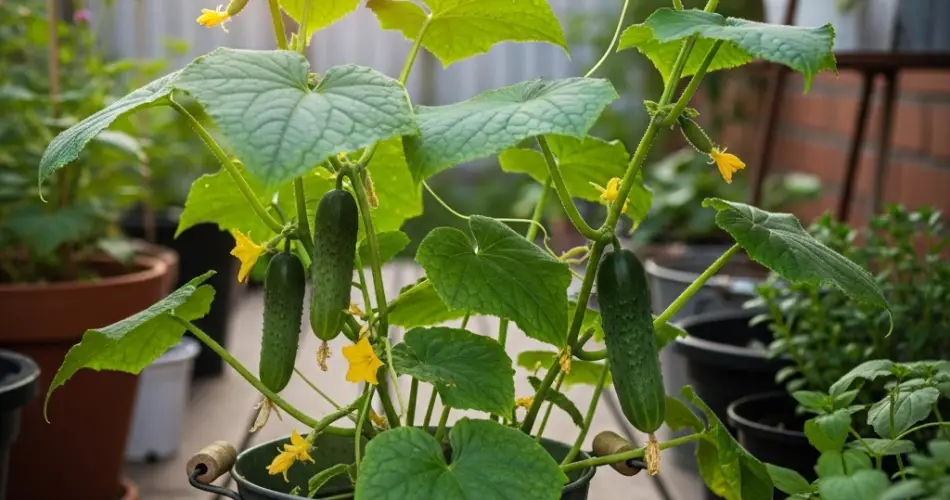
Cucumbers are refreshing, versatile, and rewarding to grow at home. If you don’t have space for a large garden, don’t worry—cucumbers thrive beautifully in containers, including buckets. This method is perfect for balconies, patios, or small backyards, giving you crisp cucumbers without needing a traditional plot of land. With the right setup, you can harvest a steady supply throughout the growing season.
Why Grow Cucumbers in Buckets?
Bucket gardening offers many advantages, especially for cucumbers:
-
Space-efficient: Ideal for gardeners with limited space.
-
Mobility: Buckets can be moved to sunnier spots or sheltered from heavy rain.
-
Pest control: Growing in containers reduces exposure to soil-borne pests and diseases.
-
Better soil control: You can create a nutrient-rich mix to give plants the best environment possible.
Cucumbers grow quickly and produce abundantly, making them one of the best crops for bucket gardening.
Step 1: Choosing the Right Bucket
Selecting the proper container is the foundation of success.
-
Size: A 5-gallon bucket is the minimum for one cucumber plant. Larger buckets allow more root space and healthier growth.
-
Drainage: Drill several holes in the bottom of the bucket to prevent waterlogging.
-
Material: Plastic buckets retain moisture well, while fabric grow bags offer excellent root aeration. Both work effectively.
Always ensure your container has excellent drainage to avoid root rot.
Step 2: Selecting Cucumber Varieties
Not all cucumbers perform equally in containers. For bucket gardening, compact and bush varieties are recommended.
-
Bush varieties: Such as Bush Champion and Salad Bush, are compact and perfect for small containers.
-
Vining types: Varieties like Straight Eight and Marketmore can also be grown in buckets but need trellises or supports to manage their long vines.
-
Pickling cucumbers: Varieties like Homemade Pickles are excellent if you enjoy making your own pickles.
Choose a type based on your space, preference, and use in the kitchen.
Step 3: Preparing the Soil
Cucumbers require light, fertile, and well-draining soil.
-
Potting mix: Use high-quality potting soil instead of garden soil, which may compact and restrict roots.
-
Nutrients: Mix in compost, aged manure, or slow-release fertilizer before planting.
-
Texture: Adding perlite, vermiculite, or coco coir helps improve aeration and drainage.
The goal is to create a soil mix that retains moisture but doesn’t stay soggy.
Step 4: Planting Cucumbers in Buckets
Now it’s time to plant.
-
Fill the bucket: Add your prepared soil mix, leaving about 2–3 inches of space at the top.
-
Planting seeds: Sow 2–3 seeds about 1 inch deep in the center of the bucket. Once they sprout, thin to the strongest seedling.
-
Using transplants: If planting seedlings, dig a hole large enough for the root ball, place the plant inside, and gently firm the soil around it.
-
Water thoroughly: Give the soil a deep watering after planting to help roots settle.
Planting multiple seeds and thinning ensures at least one strong, healthy cucumber plant per bucket.
Step 5: Providing Support
Cucumbers grow best with support.
-
Trellises: Install a small trellis, stake, or cage in the bucket soon after planting.
-
Vertical growth: Training vines upward saves space, improves air circulation, and reduces pest problems.
-
Bush types: Even compact varieties benefit from a short cage or stake to keep them off the soil surface.
Adding support early prevents damaging the roots later in the season.
Step 6: Watering and Feeding
Cucumbers love consistent moisture and regular feeding.
-
Watering: Check soil daily, especially in hot weather. Water deeply whenever the top inch feels dry. Avoid letting soil dry out completely, as cucumbers become bitter when stressed.
-
Feeding: Fertilize every 2–3 weeks with a balanced liquid fertilizer. Once flowers appear, switch to one higher in potassium and phosphorus to encourage fruiting.
-
Mulching: Apply a thin layer of straw, shredded leaves, or compost to help retain soil moisture and regulate temperature.
Regular care ensures crisp, flavorful cucumbers.
Step 7: Sunlight and Temperature
Cucumbers are warm-season plants and need plenty of sunshine.
-
Light: Position your bucket where it receives at least 6–8 hours of direct sunlight daily.
-
Temperature: Cucumbers grow best between 70–85°F (21–29°C). Protect them from extended cold snaps or intense heat waves.
If you can move the bucket, adjust its location to optimize light and warmth.
Step 8: Ongoing Care and Maintenance
To keep your cucumber plants thriving:
-
Pruning: Remove yellowing leaves and side shoots if the plant becomes too dense.
-
Pest control: Watch for cucumber beetles, aphids, and spider mites. Use organic sprays like neem oil when needed.
-
Disease prevention: Ensure good airflow, avoid overhead watering, and rotate crops yearly if reusing buckets.
Regular attention prevents small issues from becoming big problems.
Step 9: Harvesting Cucumbers
The most rewarding part is picking fresh cucumbers.
-
Timing: Harvest cucumbers when they reach the right size for their variety—usually 6–8 inches for slicers and 3–5 inches for pickling types.
-
Method: Use scissors or a sharp knife to cut cucumbers off the vine, avoiding damage to stems.
-
Frequency: Harvest often to encourage the plant to produce more fruit.
Freshly picked cucumbers are crisp, refreshing, and taste far better than store-bought ones.
Conclusion
Growing cucumbers in buckets is a simple and rewarding way to produce fresh food in small spaces. By choosing the right container, selecting suitable varieties, providing strong soil, and offering regular care, you can enjoy a steady supply of cucumbers all season long. Whether you want them for salads, snacks, or pickling, container-grown cucumbers bring freshness and flavor straight to your table.


