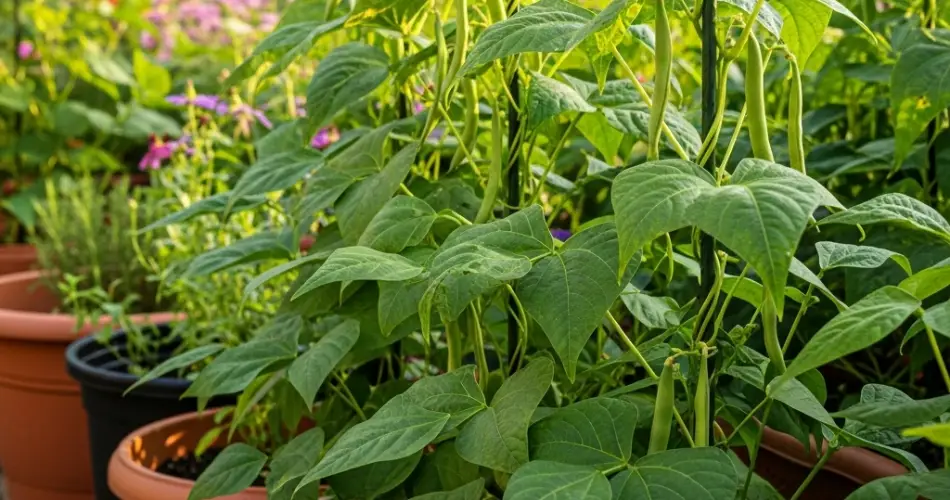
If you’re short on garden space but still want a productive, easy-to-grow crop, green beans are the perfect choice. These fast-growing legumes thrive in containers and produce abundant harvests with minimal effort. Whether you choose climbing (pole) varieties or compact bush types, green beans adapt well to container gardening, making them ideal for patios, balconies, rooftops, and small urban spaces.
With just a bit of planning and care, you can enjoy crunchy, homegrown green beans throughout the growing season—no backyard required.
Bush vs. Pole Beans: What’s the Difference?
Before you start planting, it’s important to understand the two main types of green beans:
Bush Beans:
-
Compact, self-supporting plants
-
Typically mature in 50–60 days
-
Produce a quick, concentrated harvest
-
Ideal for smaller containers and gardeners wanting a fast yield
Pole Beans (Climbing Beans):
-
Vining plants that require trellises or vertical supports
-
Mature in 60–75 days
-
Provide a steady harvest over a longer period
-
Excellent for maximizing vertical space in tight areas
Both types are suitable for containers, but your choice depends on your space and how you prefer to harvest.
Best Green Bean Varieties for Containers
Bush Varieties:
-
Provider: Early, reliable, and disease-resistant
-
Contender: Fast-maturing and great for cooler climates
-
Bush Blue Lake 274: Classic flavor with heavy yields
Pole Varieties:
-
Kentucky Blue: Tender and stringless
-
Blue Lake Pole: Long harvest window and high productivity
-
Scarlet Runner: Attractive flowers and edible pods
What You’ll Need
To grow green beans in containers, gather the following:
-
A container at least 10–12 inches deep and 12–18 inches wide
-
High-quality potting mix with good drainage
-
Compost or slow-release organic fertilizer
-
Green bean seeds (bush or pole)
-
Trellis, stakes, or netting (for pole beans)
-
Access to full sun (6–8 hours per day)
-
Watering can or hose with gentle spray
How to Plant Green Beans in Pots
1. Choose the Right Container
For bush beans, a container with a minimum depth of 10 inches works well. For pole beans, opt for something larger and deeper, with room for a support structure. Ensure good drainage by selecting pots with multiple holes at the bottom.
2. Prepare the Soil
Use a light, well-draining potting mix enriched with compost or a slow-release fertilizer. Avoid garden soil, which can compact and retain too much moisture in containers.
3. Sow the Seeds
-
Plant seeds 1 inch deep and 2–3 inches apart.
-
For bush beans, plant in rows or a grid pattern.
-
For pole beans, plant 3–4 seeds around each vertical support.
Water gently after planting and keep the soil evenly moist until germination, which usually takes 7–10 days.
Caring for Your Container Bean Plants
Green beans are low-maintenance, but consistent care will result in bigger, better harvests.
Sunlight:
Place containers in a location with at least 6 hours of direct sunlight per day. Beans love the sun and warmth.
Watering:
Water deeply whenever the top inch of soil feels dry. In hot weather, this may mean watering daily. Avoid wetting the leaves to prevent disease.
Feeding:
Use a balanced liquid fertilizer every 2–3 weeks. Avoid excess nitrogen, which encourages leaf growth at the expense of beans.
Support for Pole Beans:
Install a trellis, teepee, or stakes when you plant. As vines grow, gently guide them to the support structure. Regular training helps prevent tangling.
Mulching:
Add a layer of mulch or straw on the soil surface to retain moisture and reduce weeds.
Common Pests and Problems
Aphids, spider mites, and beetles may appear during the growing season. Use neem oil or insecticidal soap to manage infestations naturally.
Fungal diseases like powdery mildew are more likely if the leaves stay wet. Water at the base and provide good airflow between plants.
Remove damaged leaves, keep your container area clean, and monitor regularly for issues.
Harvesting Green Beans
Green beans are ready to harvest about 50–75 days after planting, depending on the variety.
Signs it’s time to pick:
-
Beans are 4–6 inches long, firm, and snap easily
-
Pods are filled out but seeds inside are not overly large
-
The color is vibrant and uniform
Use scissors or garden snips to avoid damaging the plant. Pick beans regularly to encourage new growth and prolong the harvest season.
Tips for a Great Harvest
-
Rotate containers every few days to promote even sun exposure.
-
Replenish soil nutrients between planting cycles or add compost as a top dressing.
-
Succession plant every 2–3 weeks for a continuous supply of beans.
-
Try mixing bush and pole beans in the same space for variety and yield.
Final Thoughts
Green beans are among the easiest and most productive vegetables you can grow in containers. Whether you choose bush varieties for speed and simplicity or pole beans for ongoing harvests and vertical beauty, green beans are a smart choice for any container garden.
With a sunny spot, a well-draining pot, and a little attention, your patio or balcony can become a thriving bean patch—delivering crisp, flavorful beans for salads, stir-fries, and more all season long.


